The best AI chatbot overall is ChatGPT for its balance of versatility, reliability, and ease of use — but the right pick depends on the job: Perplexity for sourced research, Claude for long-form writing, and Google Gemini for Workspace-heavy teams.
AI chatbots have moved well beyond novelty. The strongest platforms now act as research assistants, writers, analysts, and workflow operators. What separates the best from the rest is not raw intelligence alone, but reliability, context handling, and how well the tool fits real work.
Below is a ranked list of the top seven AI chatbots available today, based on breadth of capability, consistency of output, and practical usefulness across common use cases.
ChatGPT - Best for: general use, writing, research, coding, and everyday productivity
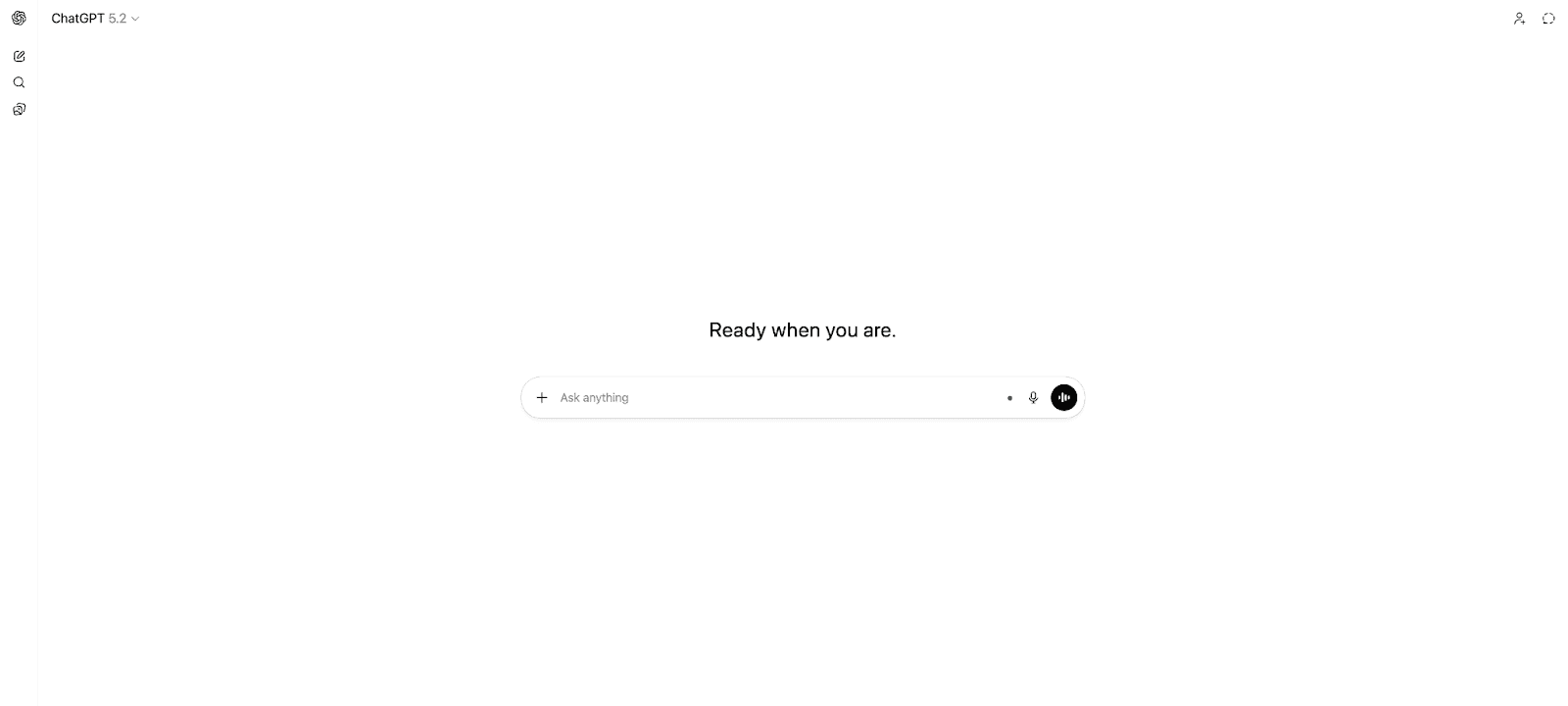
ChatGPT remains the most well-rounded chatbot on the market. Its strength lies in versatility. It performs equally well across writing, reasoning, coding, research synthesis, and structured problem solving. Unlike narrower tools, it adapts smoothly to tone, audience, and task type without requiring heavy prompt engineering.
The platform also benefits from a mature ecosystem. Features such as document uploads, web-enabled research, data analysis, and multimodal input allow it to move beyond simple conversation into real task execution. For individuals who want a single chatbot that can handle everything from drafting reports to exploring technical concepts, ChatGPT continues to set the standard.
Google Gemini - Best for: research, factual queries, and Google Workspace workflows
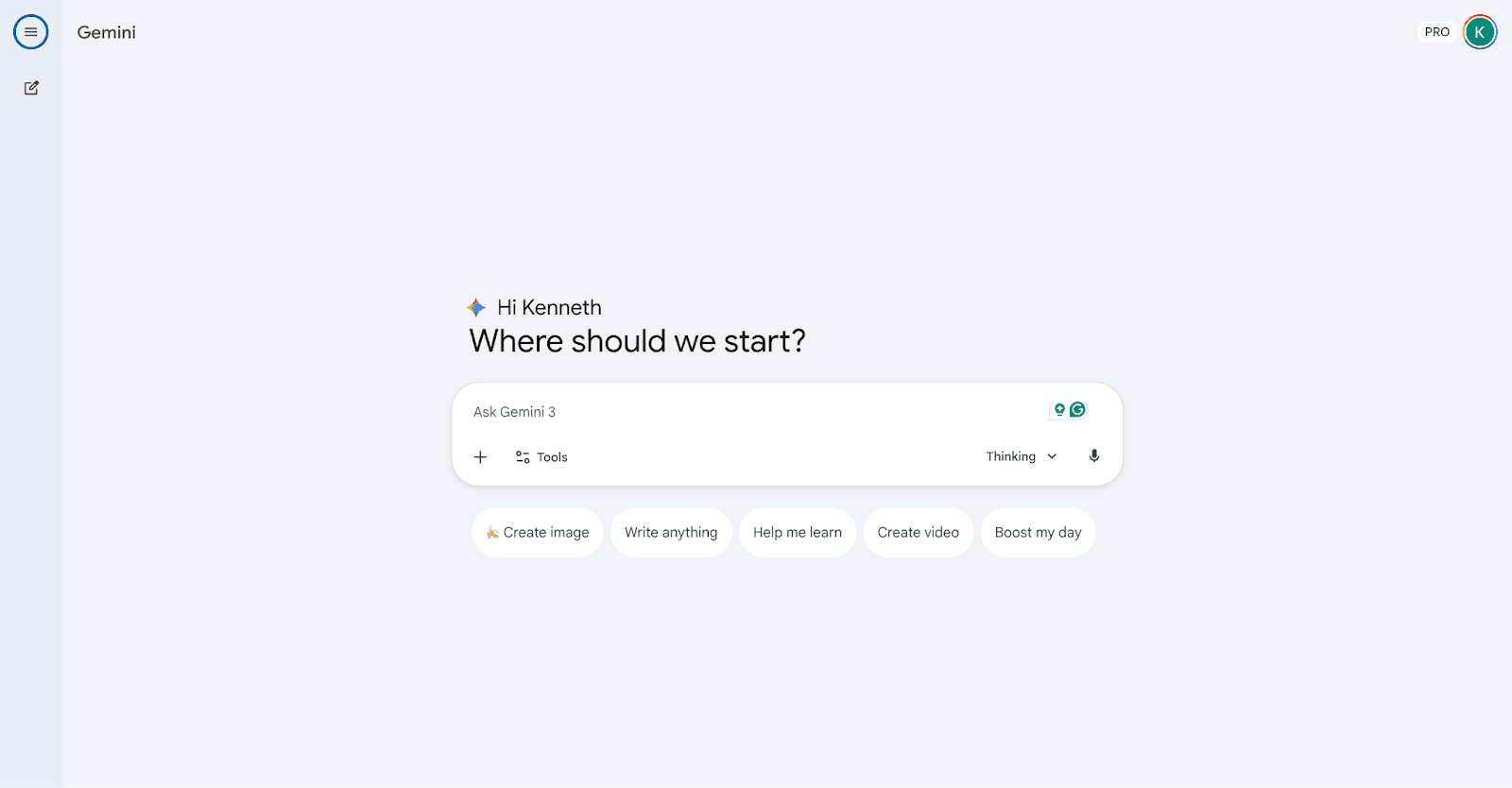
Google Gemini excels when accuracy and recency matter. Its tight connection to Google’s search infrastructure gives it an advantage for fact-based questions, current events, and context-aware lookups. It also integrates directly into Gmail, Docs, Sheets, and other Workspace tools, where it can assist with drafting, summarizing, and data interpretation.
While Gemini is not always as flexible in creative or exploratory writing, it performs strongly in structured, informational tasks. For users already embedded in the Google ecosystem, it feels like a natural extension rather than a separate tool.
Claude - Best for: long-form writing, summarization, and structured reasoning
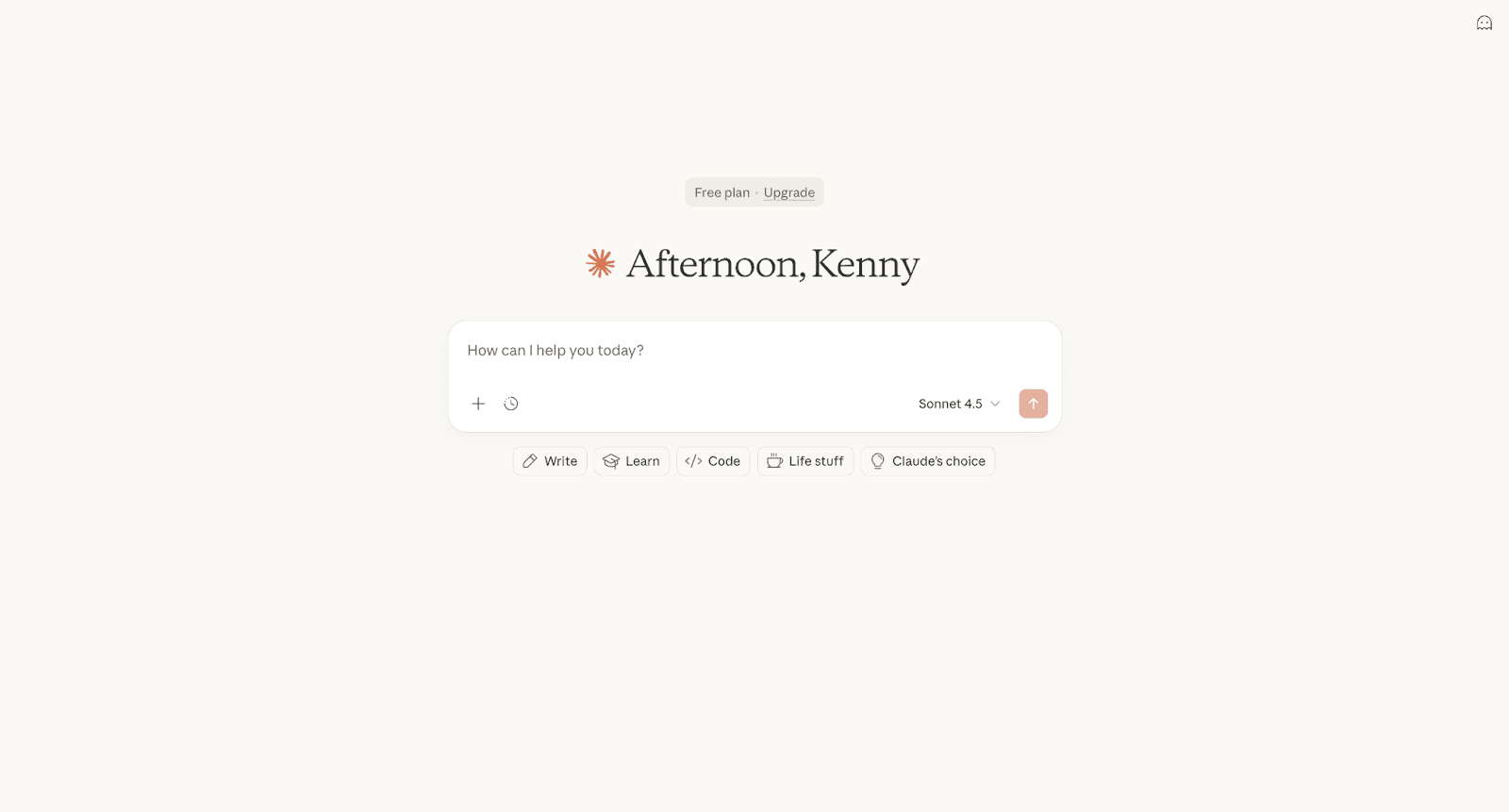
Claude is known for its clarity and restraint. It produces well-structured, readable output and handles long documents with ease. This makes it especially useful for drafting essays, reports, policy documents, and detailed explanations where tone and coherence matter.
Claude also performs well in reasoning-heavy tasks, often walking through logic step by step. While it may not feel as expansive or tool-rich as ChatGPT, it appeals to users who value precision, organization, and calm consistency over speed.
Perplexity - Best for: research, fact-checking, and source-based answers
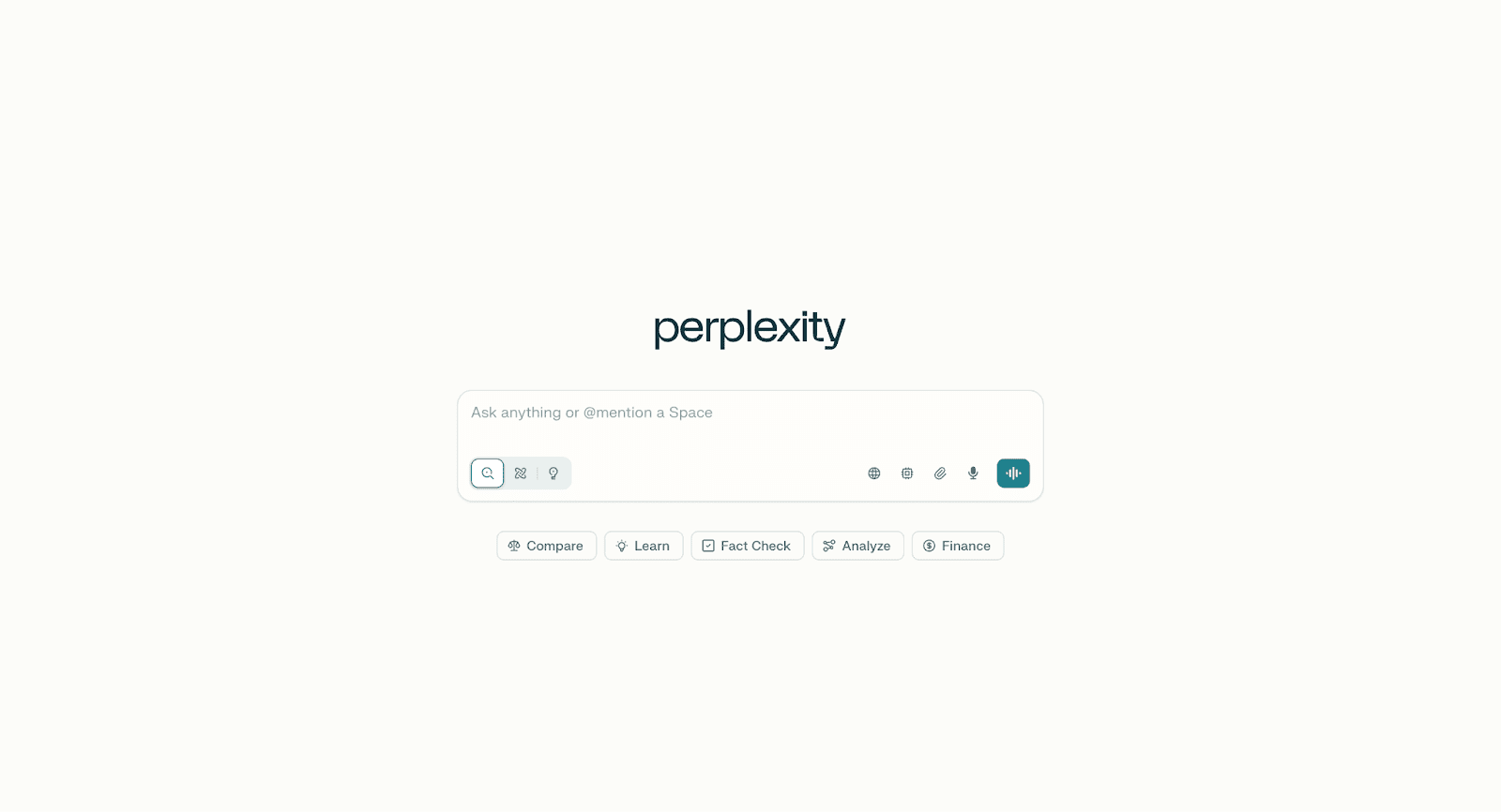
Perplexity positions itself as a research assistant rather than a general conversational AI. Its defining feature is transparency. Answers are typically accompanied by sources, allowing users to trace claims back to original material.
This makes Perplexity especially useful for academic work, professional research, and any situation where verification matters. It is less suited for creative writing or open-ended ideation, but it excels when accuracy and accountability are the priority.
Microsoft Copilot - Best for: enterprise users and Microsoft 365 productivity
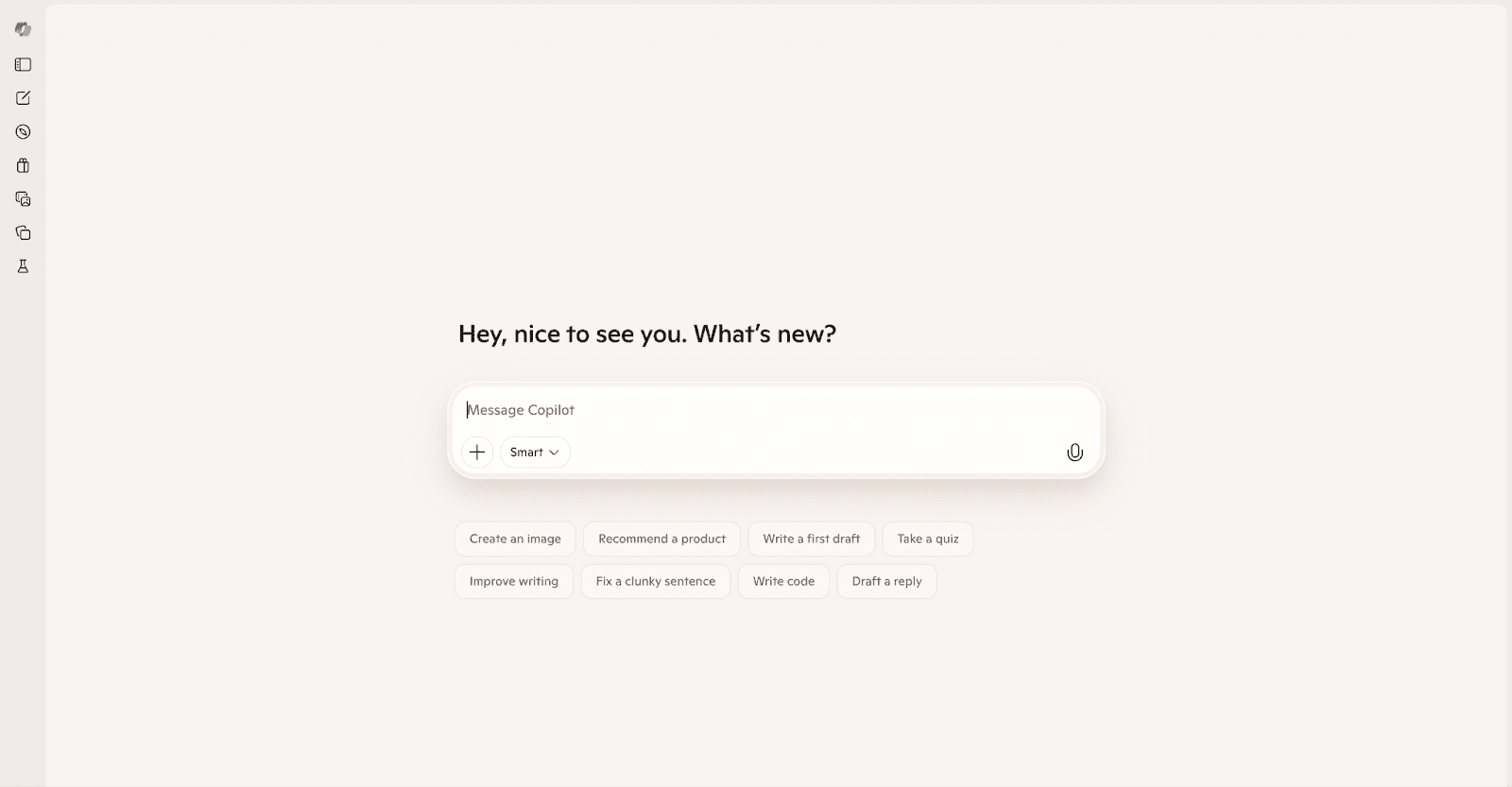
Microsoft Copilot is designed to work inside Word, Excel, PowerPoint, Outlook, and Teams. Rather than acting as a standalone chatbot, it functions as an embedded assistant that understands your documents, emails, and spreadsheets.
Its strength lies in context awareness within enterprise workflows. It can summarize meetings, draft emails based on prior threads, analyze data in spreadsheets, and generate presentations. Outside the Microsoft ecosystem, however, its usefulness drops off.
Manus - Best for: autonomous workflows and agent-based tasks
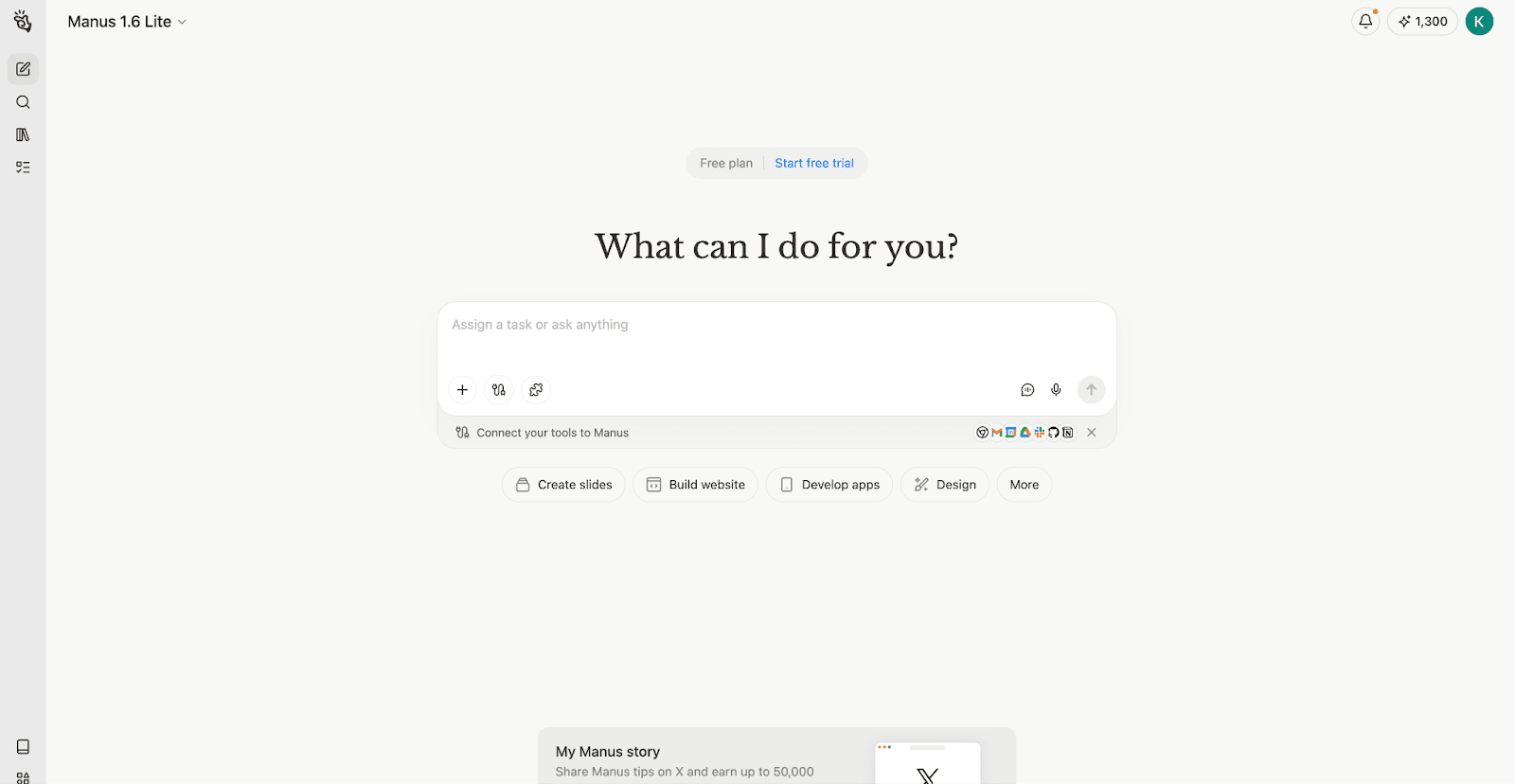
Manus represents a shift from conversational AI toward autonomous agents. Rather than simply answering prompts, it is designed to plan, execute, and complete multi-step tasks with minimal user input. This can include research, analysis, content generation, and workflow execution carried out end to end.
Manus is especially interesting for advanced users who want AI to operate more independently. While it is less conversational than other chatbots, its ability to act rather than respond positions it as a glimpse into the next phase of AI assistants.
Intercom Fin - Best for: customer support and help desk automation
Intercom Fin is purpose-built for customer service. Unlike general chatbots, it focuses on resolving tickets, answering FAQs, and escalating issues when necessary. It integrates directly with help desks and support platforms, making it effective for businesses with high support volume.
It is not designed for creative or exploratory tasks, but within its niche, it performs reliably and efficiently.
How to Choose the Right Chatbot
The best chatbot depends on what you need it to do.
If you want a single assistant that can write, analyze, brainstorm, and reason across topics, a general-purpose chatbot is the safest choice. If accuracy, sourcing, or enterprise integration matter more, a specialized platform will serve you better. Autonomous agents are worth considering if your goal is to offload entire workflows rather than interact step by step.
Frequently Asked Questions
What is the best AI chatbot overall?
For most users, the best overall AI chatbot is ChatGPT, because it balances versatility, reliability, and ease of use across writing, research, reasoning, and coding. The right choice still depends on the job: Perplexity is stronger for sourced research, Claude for long-form writing and structured reasoning, and Gemini for Google Workspace workflows.
Are AI chatbots free to use?
Most AI chatbots offer free tiers with limited features. Paid plans usually unlock faster responses, higher usage limits, longer context windows, and advanced tools such as file uploads, web access, or automation. For light use the free tiers are often enough; heavy or professional use generally justifies a paid plan.
Which AI chatbot is best for research?
Chatbots designed around sourcing and citation are best for research-heavy work. Perplexity is purpose-built for this, emphasizing transparency and cited sources, and Google Gemini is strong for factual queries. These tools prioritize accuracy and traceability over creative range, which suits academic and professional settings.
Can AI chatbots replace human workers?
AI chatbots can automate repetitive tasks and accelerate many workflows, but they do not replace human judgment. They are most effective as assistants that draft, summarize, and speed up work, with a person reviewing and deciding rather than as autonomous decision-makers.
What is the difference between a chatbot and an AI agent?
A chatbot responds to prompts in conversation. An AI agent is designed to plan and execute tasks autonomously, often completing multi-step workflows without continuous user input. Tools like Manus lean toward the agent end of that spectrum, while most mainstream chatbots are primarily conversational with some agentic features.
Are AI chatbots safe to use?
Most reputable platforms implement data security and usage policies, but users should avoid sharing sensitive personal or confidential information unless the tool is explicitly designed for secure enterprise use. For regulated or proprietary data, use enterprise tiers with the appropriate data-handling and compliance guarantees.

Content strategist at Digital Elevator, specializing in SEO-driven content for technology and healthcare brands.