Reaching target audiences, patient privacy, a fragmented media landscape… getting your healthcare company to stand out from the competition has become more challenging than ever. As healthcare marketing continues to evolve, so should your marketing strategy, making the agency you partner with integral to your success.
At Digital Elevator, we’ve been providing healthcare marketing since 2010 and have a significant track record in which 44% of our clients raise funds, exit, or get acquired. That said, we know other healthcare marketing companies bring unique expertise to the industry, and we want to highlight them here.
Here’s a hand-selected list of some of the best healthcare marketing agencies that specialize in the health and medical industries.
Note: I’ll define the ideal client by the typical client type the agency works with. A “small business” is defined as a company that makes under $38.5 million annually, and has less than 1,500 employees. “Mid-market enterprise” is $38.5 million to $1 billion in annual revenue, and has 1,500 to 2,000 employees. “Large enterprise” is over $1 billion in revenue with over 2,000 employees.
With a specialization in B2B healthcare marketing, Digital Elevator is an ideal partner for brands with goals to scale quickly, raise funds, or get acquired. They have a proven track record with SEO-driven content marketing campaigns, paid lead generation, and highly intuitive web design projects with healthcare companies of all sizes.
Digital Elevator has a reputation for being considerably more budget-friendly than bigger healthcare marketing agencies that target mid-market and enterprise clients and top off the list due to their longevity within the industry at nearly 15 years. Their team has been integral in the scaling and selling of a division of McKesson and other Fortune 500 clients but tends to focus on emerging healthcare brands with aggressive growth goals.
Specialization:
B2B, healthcare website design, lead generation via SEO, PPC, account-based marketing and content marketing
Comprised of over 20 full-service agencies and 18+ specialized agencies, IPG’s team of over 6,500 provides services across digital marketing, communications, data and analytics, and creatives. For innovative and high touchpoint marketing campaigns on a national or international scale, one of IPGs marketing or specialty companies can likely assist in creating something memorable.
Specialization:
Full-service agency of record (AOR), public relations, market research, healthcare policy
Ogilvy Health is a global network that operates in the healthcare marketing and business solutions sector. The organization works with various clients, including pharmaceutical and biotechnology companies, medical centers, insurance providers, government health policy makers, and consumer health and wellness brands.
Their approach combines local market knowledge with global capabilities, allowing them to address diverse healthcare communication needs. Ogilvy Health’s scope extends beyond traditional health and wellness brands, as they aim to assist various businesses in integrating health-conscious messaging into their branding. The company adapts to different market conditions and project timelines, drawing on their experience across the healthcare industry landscape to develop marketing strategies and business solutions.
Healthcare Success is a specialized marketing and advertising agency that focuses exclusively on the healthcare sector. The company offers a comprehensive range of services designed to assist healthcare organizations in patient acquisition, brand enhancement, and professional outreach.
Their client base is diverse within the healthcare industry, encompassing hospitals and health systems, multi-location medical practices, addiction treatment centers, long-term care facilities, pharmaceutical and biotechnology companies, medical device manufacturers and private equity firms in the healthcare space. By concentrating solely on healthcare, Healthcare Success aims to provide targeted marketing solutions that address the unique challenges and regulatory environment of the medical field.
Specialization:
Patient acquisition, digital marketing, marketing AOR
Ideal client:
Small business
Client examples:
Texas Endovascular, SynergenX, Pomona Valley Health Centers
Cardinal Digital Marketing is a healthcare-focused digital marketing agency with over ten years of experience in the field. The company specializes in developing marketing solutions for multi-site healthcare groups, with an emphasis on HIPAA compliance to address the privacy concerns inherent in healthcare marketing. Their services encompass patient acquisition strategies, digital transformation initiatives, and brand creative development.
Cardinal Digital Marketing’s strategies are designed to be highly targeted and measurable, aligning with the specific performance metrics and parameters set by their healthcare clients. The company positions itself as a partner for healthcare organizations seeking growth through digital marketing channels while maintaining regulatory compliance.
Specialization:
Multi-site healthcare groups, patient acquisition, digital transformation
Ideal client:
Small business to mid-market enterprise
Client examples:
ATI Physical Therapy, greater good health, Southern Veterinary Partners
PatientGain helps healthcare and medical practices acquire new patients. Unlike other providers on this list, their services are packaged-based, allowing their customers to choose the level of service that suits their requirements and budget.
Using a mix of online and offline marketing strategies, PatientGain offers a price-friendly service that commoditizes the marketing experience. From prepackaged services to individualized services, medical groups can order digital marketing, chatbots, social posts, marketing emails, SMS alerts and more from this budget provider.
Specialization:
A la carte and pre-packaged digital marketing services
Ideal client:
Small business
Client examples:
None listed
Healthcare Marketing with Digital Elevator
Healthcare marketing success is accomplished by understanding customer journeys, buying cycles, and consumer psychology and meeting these prospects during the various stages of discovery.
At Digital Elevator, we create marketing strategies specialized for B2B healthcare brands that require multichannel touchpoints accomplished from search engines, paid ads, social platforms, and amazing websites. To discuss how we can help you, contact us today.
From groundbreaking therapies to cutting-edge research, the biotech sector has emerged as a global powerhouse.
In this article, we delve into the captivating realm of biotech, exploring statistics – including the impressive global pharmaceutical revenue by technologies, the value share of the biotech sector worldwide by country, and the number of public biotech companies in the United States.
These metrics provide the most up-to-date information in biotech stats as of 2024.
The global prescription drug market is projected to see significant growth between 2022 and 2030. In 2024, worldwide prescription drug revenue is expected to reach $1.12 trillion, with revenues anticipated to surpass $1.7 trillion by 2030. This growth is fueled in part by the rising demand for orphan drugs, which are specialized treatments designed for rare diseases.
Global pharmaceutical revenue by technology
Global pharmaceutical revenue from 2012 to 2026 is categorized across different technologies. Biotechnology accounted for $266 billion in drug revenues in 2019, a figure that has been steadily growing for the past several years. It is projected to reach $505 billion by 2026, while the conventional drug market is expected to be worth $681 billion that same year.
Value share of the biotech sector worldwide by country
In 2021, the United States emerged as the dominant force in the global biotech industry, commanding nearly 59% of the total global biotech value. Meanwhile, China accounted for approximately 11%.
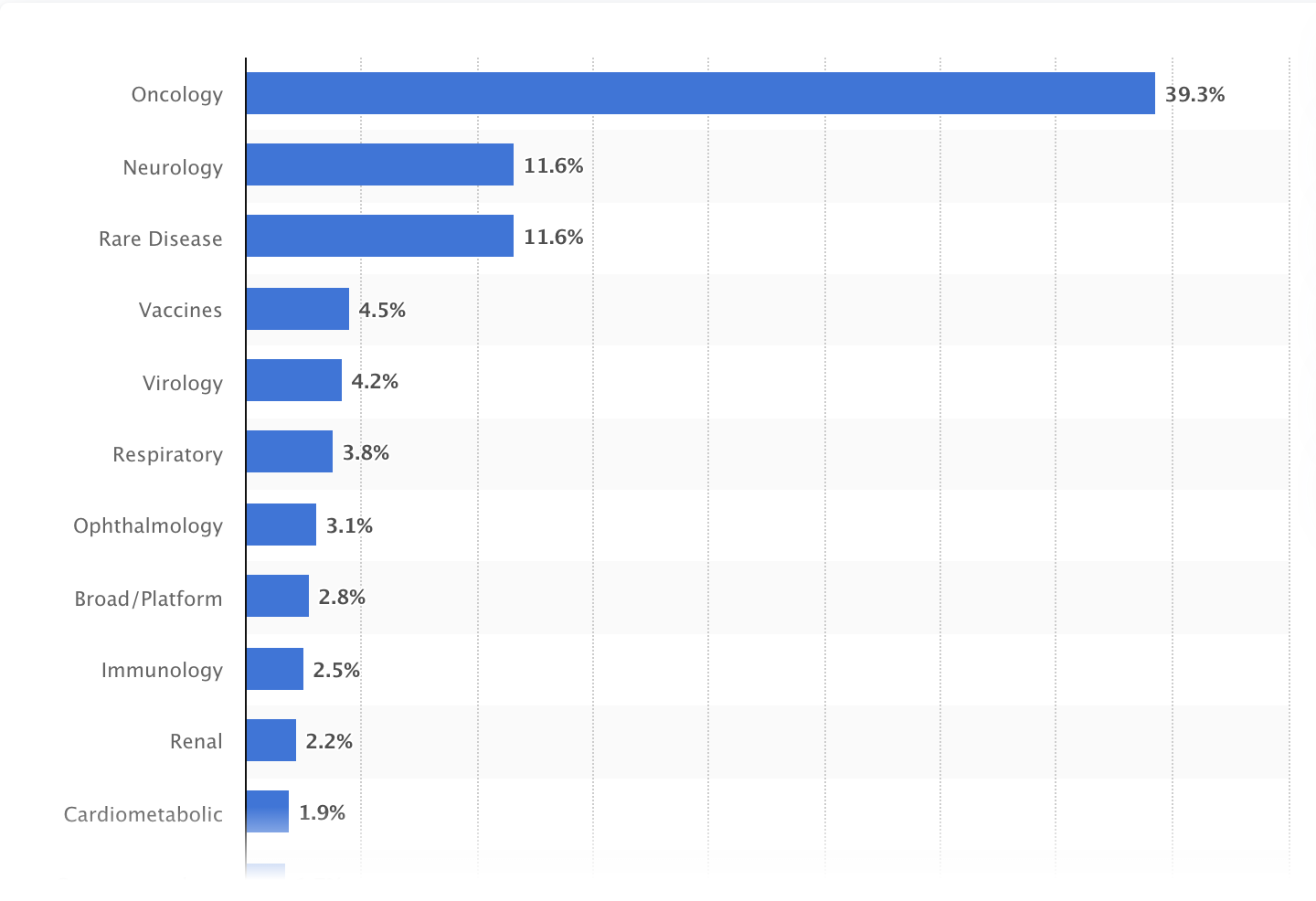
Value share of the biotech sector worldwide by therapeutic area
The global biotech sector witnessed the dominance of oncology, which commanded a substantial value share of approximately 39%. This underscores the immense focus and investment in advancing cancer treatments and therapies.
The therapeutic landscape of the biotech sector also revealed other significant areas of interest. Neurology and rare diseases each held an 11.6% value share, reflecting the growing attention given to understanding and addressing neurological disorders and rare medical conditions.
Top global biotech companies selection based on market cap
In November 2022, Roche, a company based in Switzerland, was the top biotech company in the world with a market capitalization of $268.27 billion. US-based AbbVie came in second with a market cap of nearly $257 billion during the same period while Danish biopharmaceutical manufacturer Novo Nordisk ranked third with approximately $192 billion.
Top global biotech companies based on number of employees
Number of public biotech companies in the US by region
With a total of 107 public biotech companies operating in the region, Northern California ranked second among the top biotech regions in the country. Massachusetts held the leading position with 152 public biotech companies, a testament to its advanced biotech ecosystem.
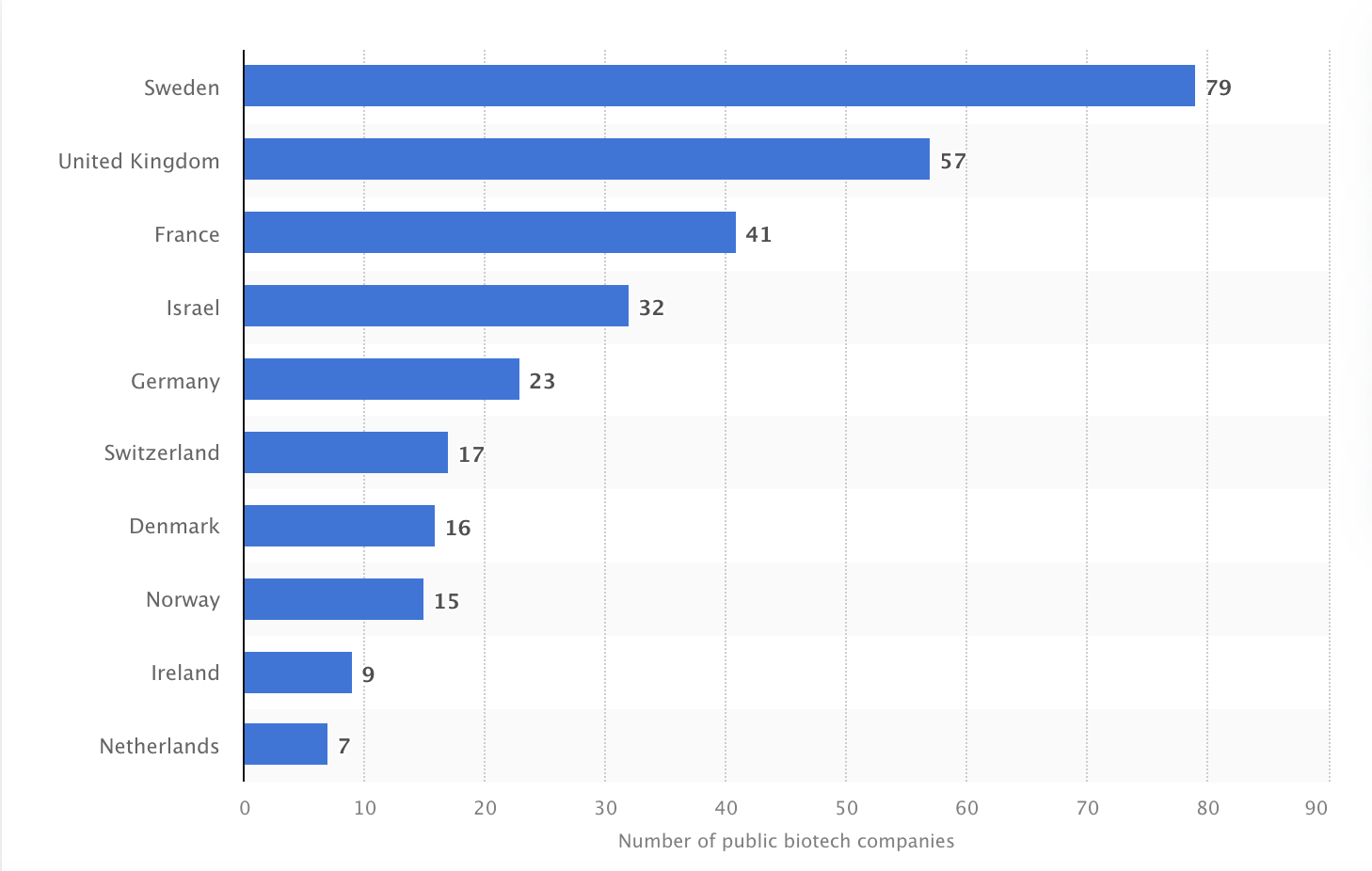
European countries based on the number of public biotech companies in 2021
Sweden led the way in Europe with 79 public biotech companies, followed by the UK with 57, France with 41, and Germany with 23. The Netherlands ranked lowest on the list, with only seven public biotech companies.
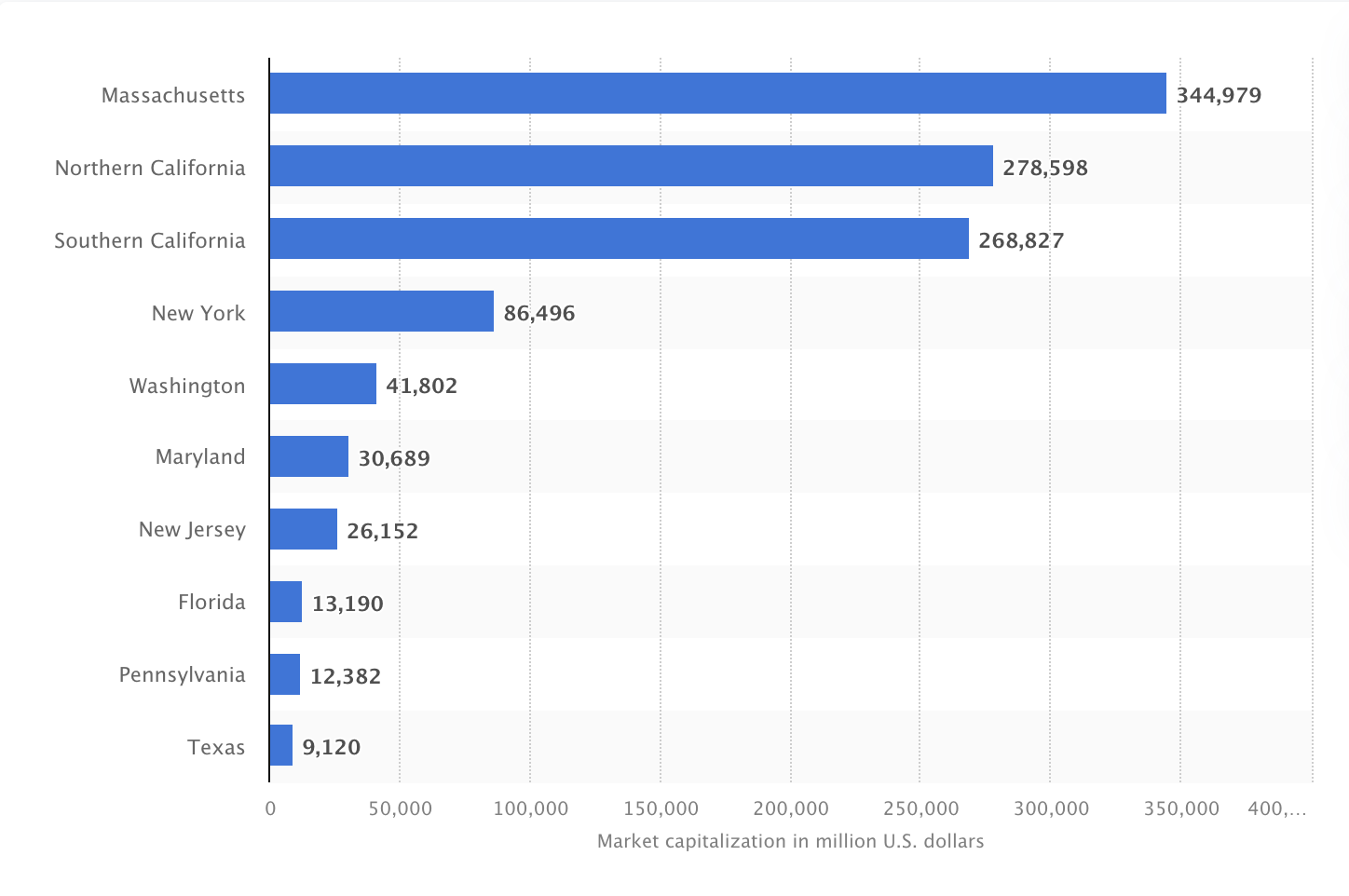
Market capitalization of US biotech companies by region
Massachusetts and Northern California have some of the most successful public biotechnology companies in the United States, totaling $344,979 million and $278,598 million in market capitalization, respectively. Southern Californian public biotech companies have a market capitalization of $268,827 million, while those in New York are worth $86,496 million.
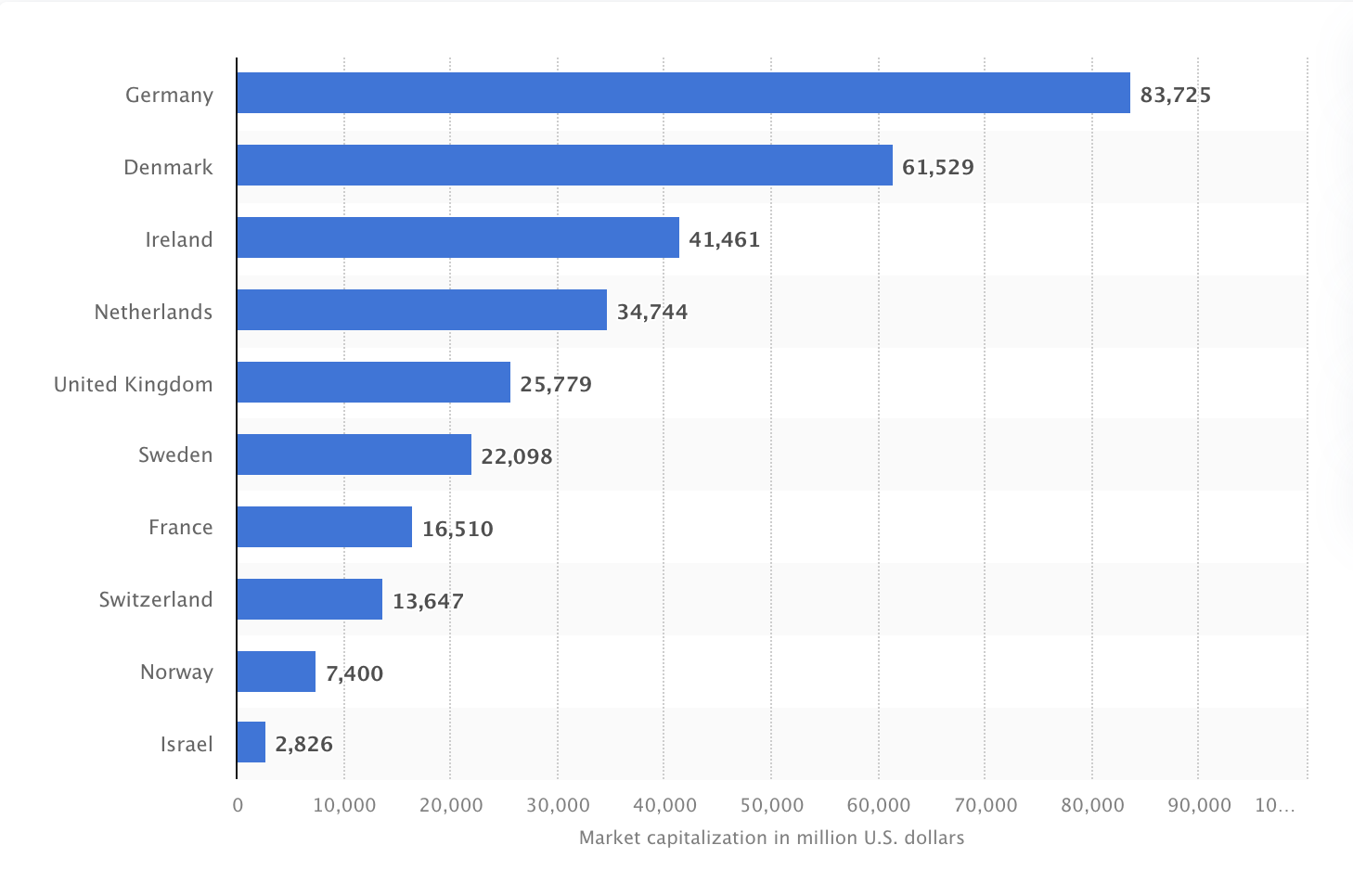
European countries by public biotech company market capitalization
Germany emerged at the forefront, boasting the highest market capitalization of nearly $83,725 million. This achievement was primarily driven by the success of BioNTech, renowned for its groundbreaking COVID-19 vaccine Comirnaty.
Denmark secured a significant market capitalization of $61,529 million, followed closely by Ireland with $41,461 million.
The Netherlands showcased a robust presence with a market capitalization of $34,744 million, while the UK and Sweden exhibited notable figures of $25,779 million and $22,098 million, respectively.
Focus: US companies
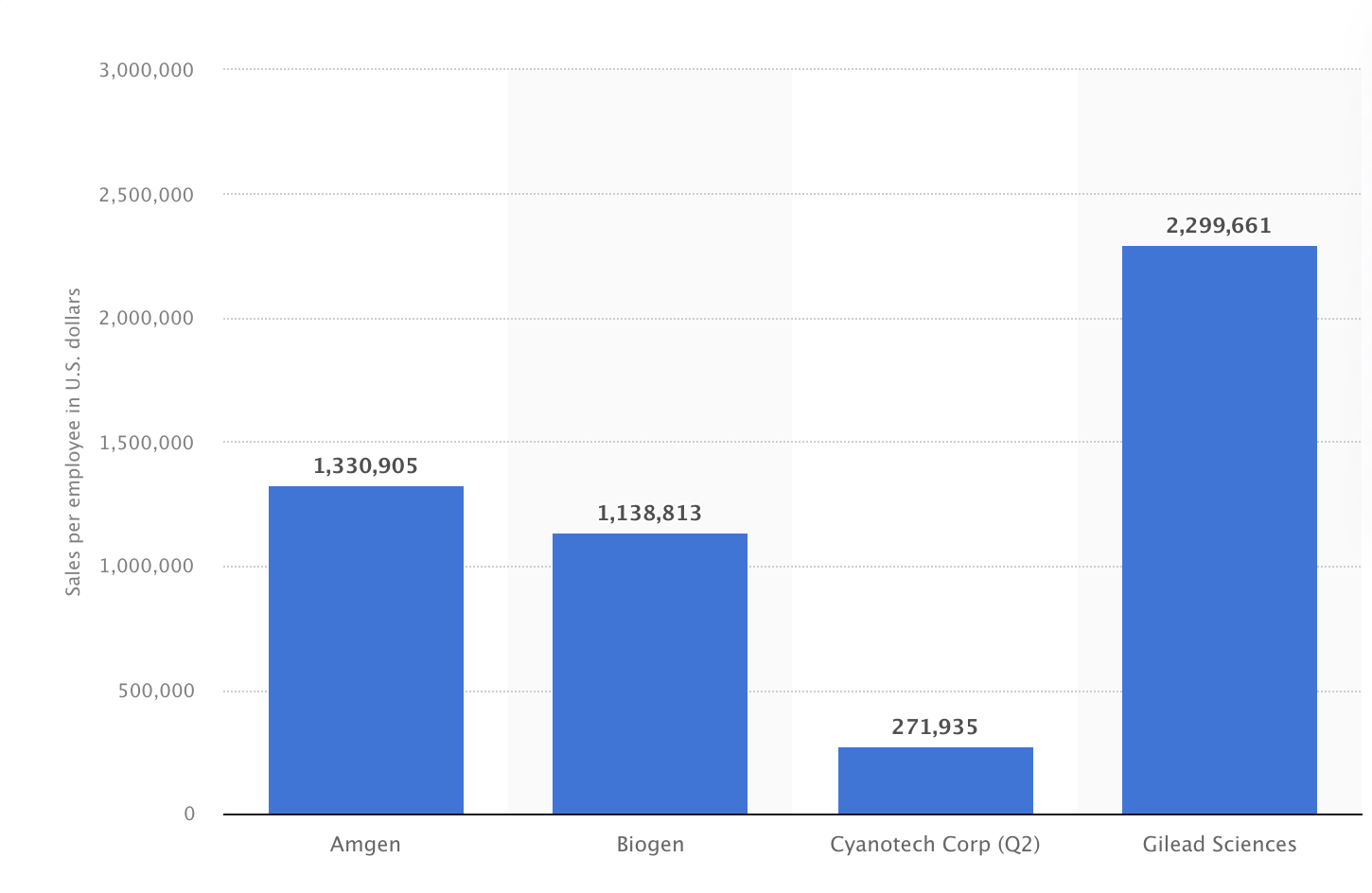
Sales per employee of select US biotech and drugs companies
As of the third quarter of 2022, US biotech company Gilead Sciences reported $2.3 million in sales per employee for the preceding twelve months. Amgen and Biogen came in second and third, with sales-per-employee figures of roughly $1.3 million and $1.13, respectively.
Trial retention remains a critical factor in the success of clinical studies, yet significant challenges persist. According to Accenture:
Awareness Gap: Only 5-10% of eligible patients are aware of ongoing clinical trials, highlighting a major hurdle in recruitment.
Dropout Rates: 30% of patients discontinue participation due to non-clinical issues, such as logistical challenges or lack of support.
Early Terminations: 19% of trials close or terminate prematurely because of insufficient participants, resulting in an estimated $800 billion in lost value.
Top global biotech companies – R&D expenditure
In 2021, Danish biopharmaceutical major Novo Nordisk demonstrated a strong commitment to research and development in the field of biotechnology, spending $2.7 billion on R&D. Metrics such as R&D intensity (13.6%), productivity and success rate all suggest that Novo Nordisk’s investment in research and development is paying off well.
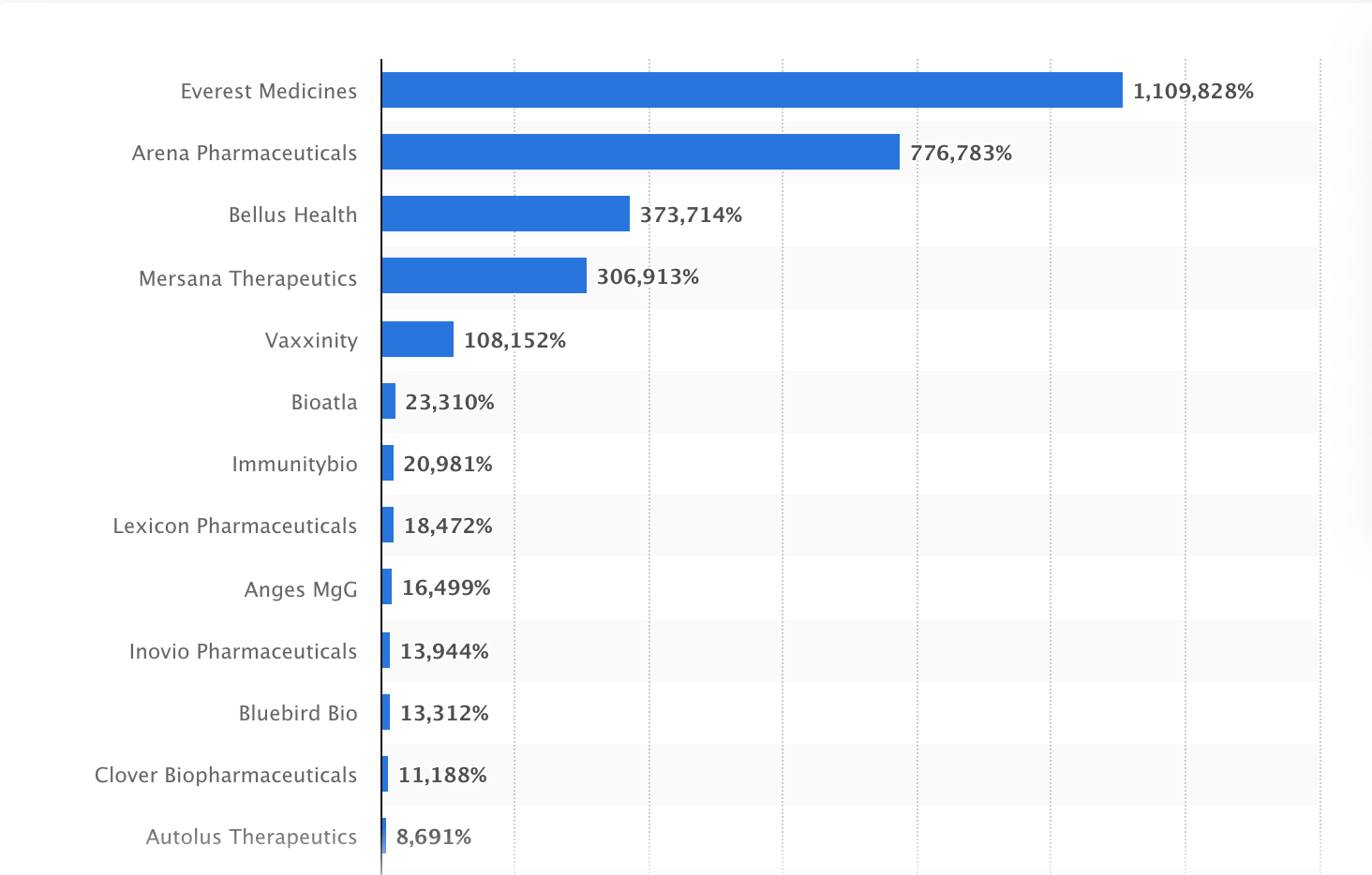
Top 50 global pharmaceutical and biotech companies by R&D intensity
R&D intensity is calculated by taking a company’s R&D expenditure and dividing that figure by its sales. Everest Medicines had the highest R&D intensity at 1,109,828% and Arena Pharmaceuticals came in second at 776,783%.
Rate of return on biopharmaceutical late-stage R&D pipeline
The internal rate of return (IRR) on biopharmaceutical late-stage R&D pipelines varied between 2013 and 2022. The rate of return decreased from 7.2% in 2014 to 1.5% in 2019. The numbers increased to 6.8% in 2021 before another sharp decline to 1.2% in 2022.
Products
AI in drug discovery to reach $3 billion
AI investments in the pharmaceutical industry are projected to reach $3 billion by 2025, as companies leverage the technology to reduce drug development time and costs.
Global biotech drugs sales
In 2012, biotechnology drugs generated sales amounting to $149 billion. However, this figure was projected to surge to over $420 billion by 2022. This significant increase highlights the expanding market presence of biotech drugs and their growing share in the overall global pharmaceutical industry.
Other estimates indicate a growth to USD 1,683.52 billion by 2030.
Projection of top 2023 pharma and biotech launches by revenue
A highly anticipated product launch in the biotech and conventional pharmaceutical sectors is the Alzheimer’s disease treatment Lecanemab, jointly developed by Eisai and Biogen. It is scheduled for launch in 2023 and is expected to generate approximately three billion US dollars in revenue by 2028.
Total US pharma and biotech product sales 5 years after launch
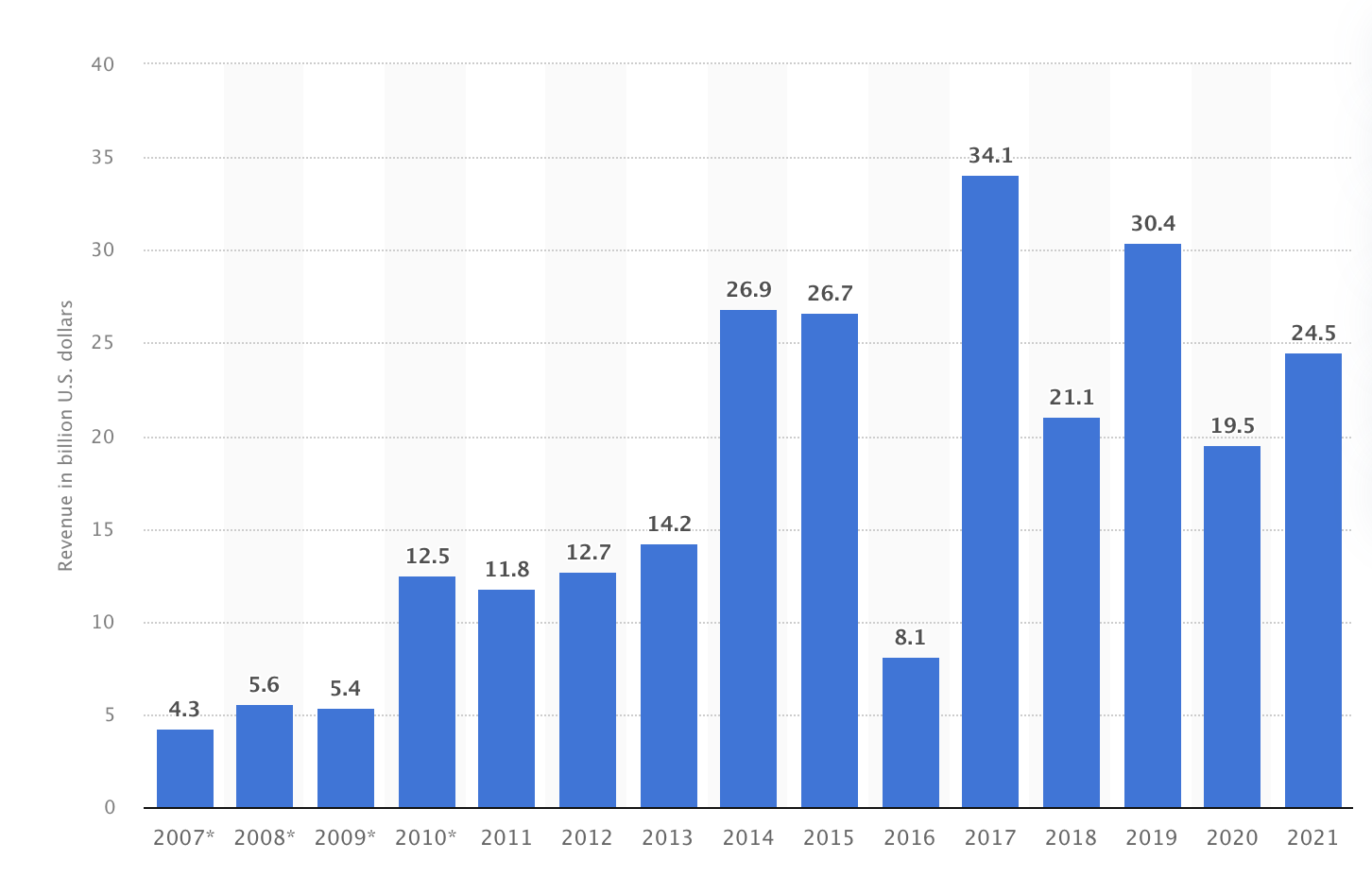
In 2021, product revenues in the US totaled $24.5 billion for products launched five years earlier. This is a sharp increase from 2007, when sales under the same heading were valued at $4.3 billion.
Total raised capital in US and Europe biotechnology industry
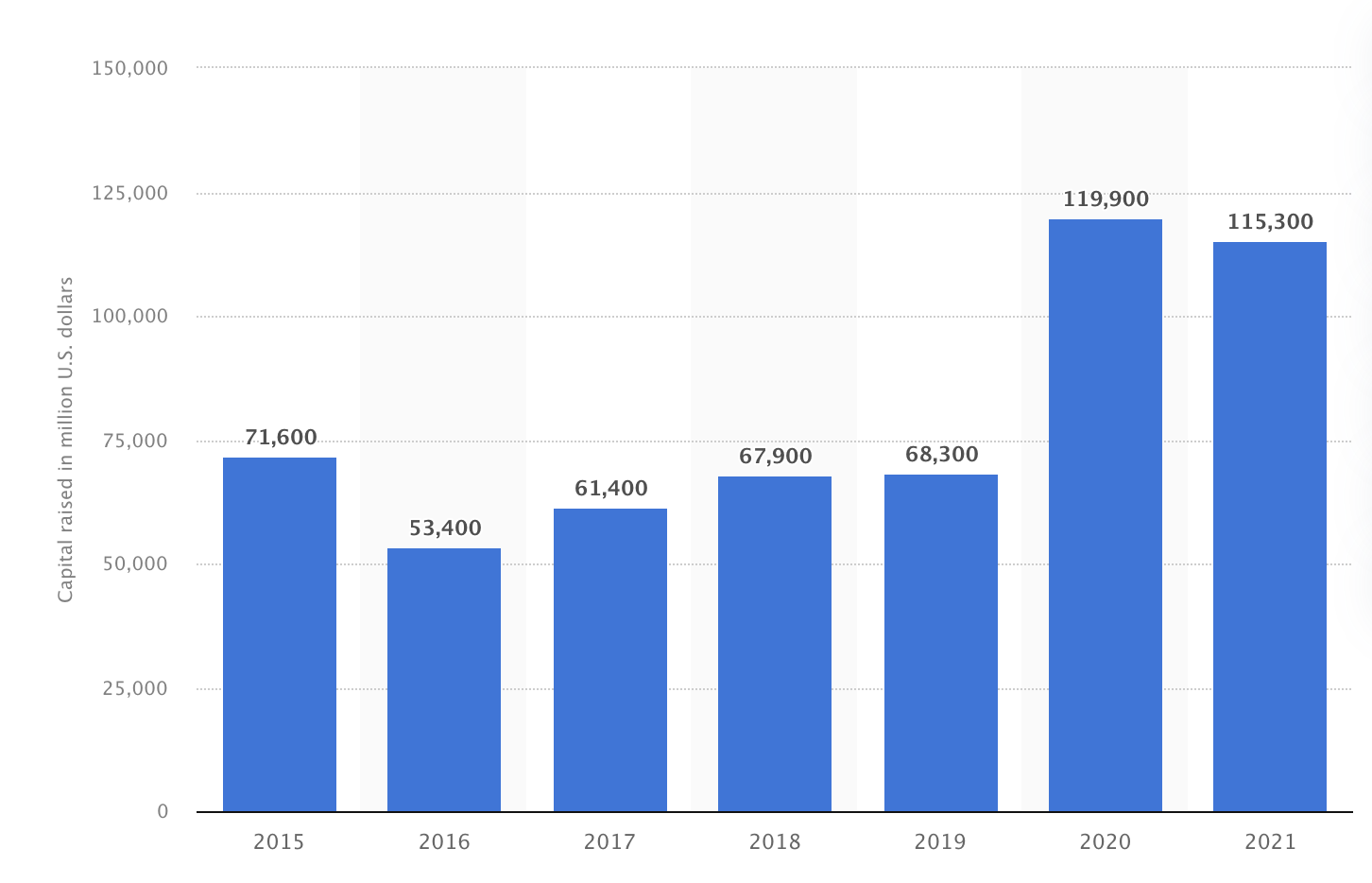
In 2021, the combined biotech industry in the US and Europe raised over $115,300 million in capital, including risk capital, IPOs, follow-on, and debt. This was a fall from the capital raised in 2020, which stood at $119,900 million.
Venture capital in US and Europe biotechnology industry
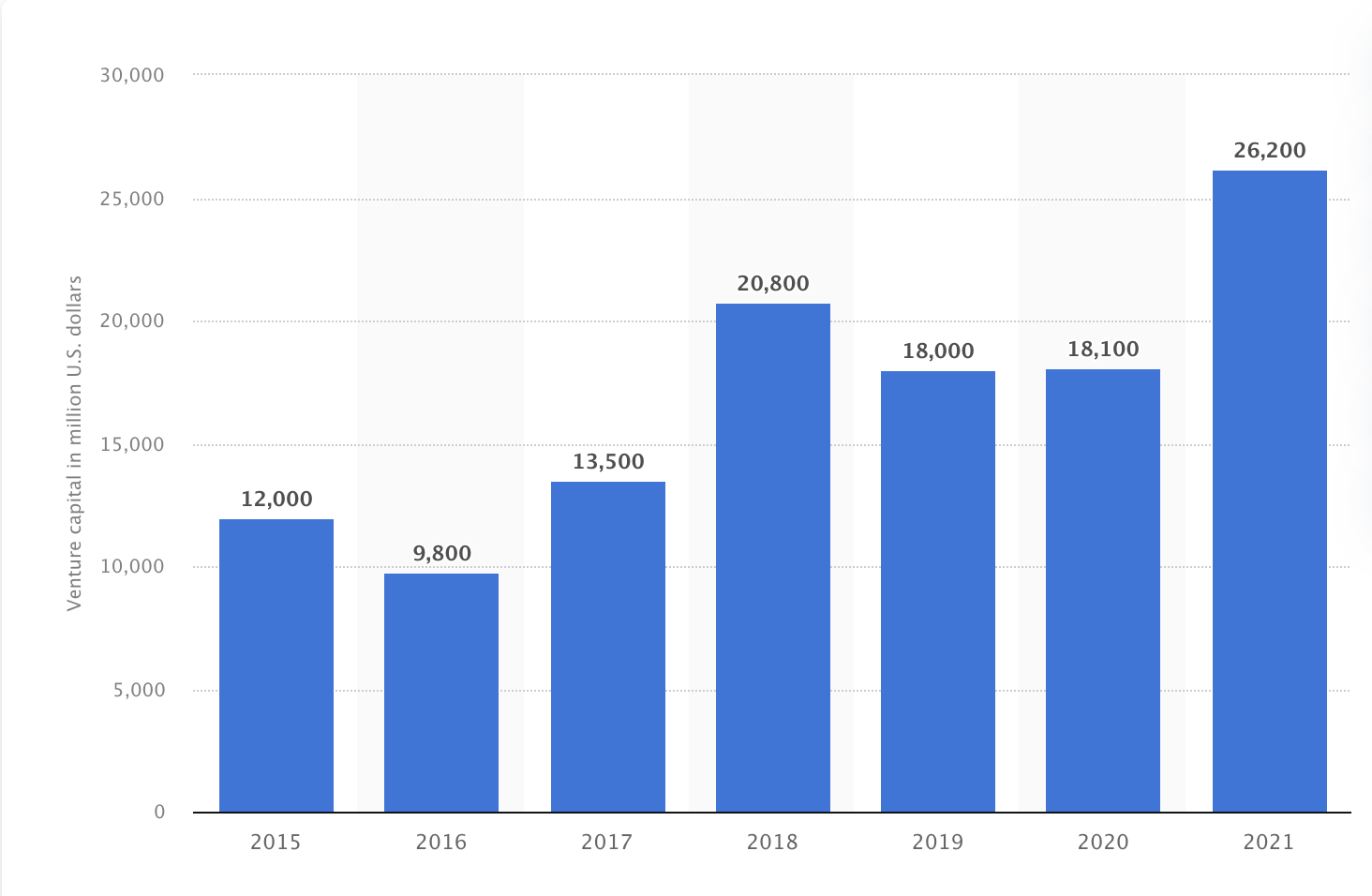
In 2021, the biotech industry in the US and Europe raised over $26 million in venture capital. This was a large increase from the amounts raised in 2019 and 2020, which were $18 billion and $18.1 billion, respectively.
US bioscience venture capital investments by segment
Over $53 billion was invested into healthcare technology systems from 2018-2021.
Biotechnology funding by National Institutes for Health
The National Institutes of Health (NIH) played a significant role in funding biotechnology research and development in the United States. In fiscal year 2021, the NIH allocated approximately $7.85 billion toward biotechnology funding.
Select M&As involving US and European biotech companies
2022 saw several M&As involving US and European biotech companies. Amgen acquired Horizon Therapuetics, a deal with a potential value of €27.8 million. Meanwhile, Pfizer took over Biohaven Pharma, which was valued at €11,600 million.
Compensation in biotech
Select large biotech firms by CEO compensation
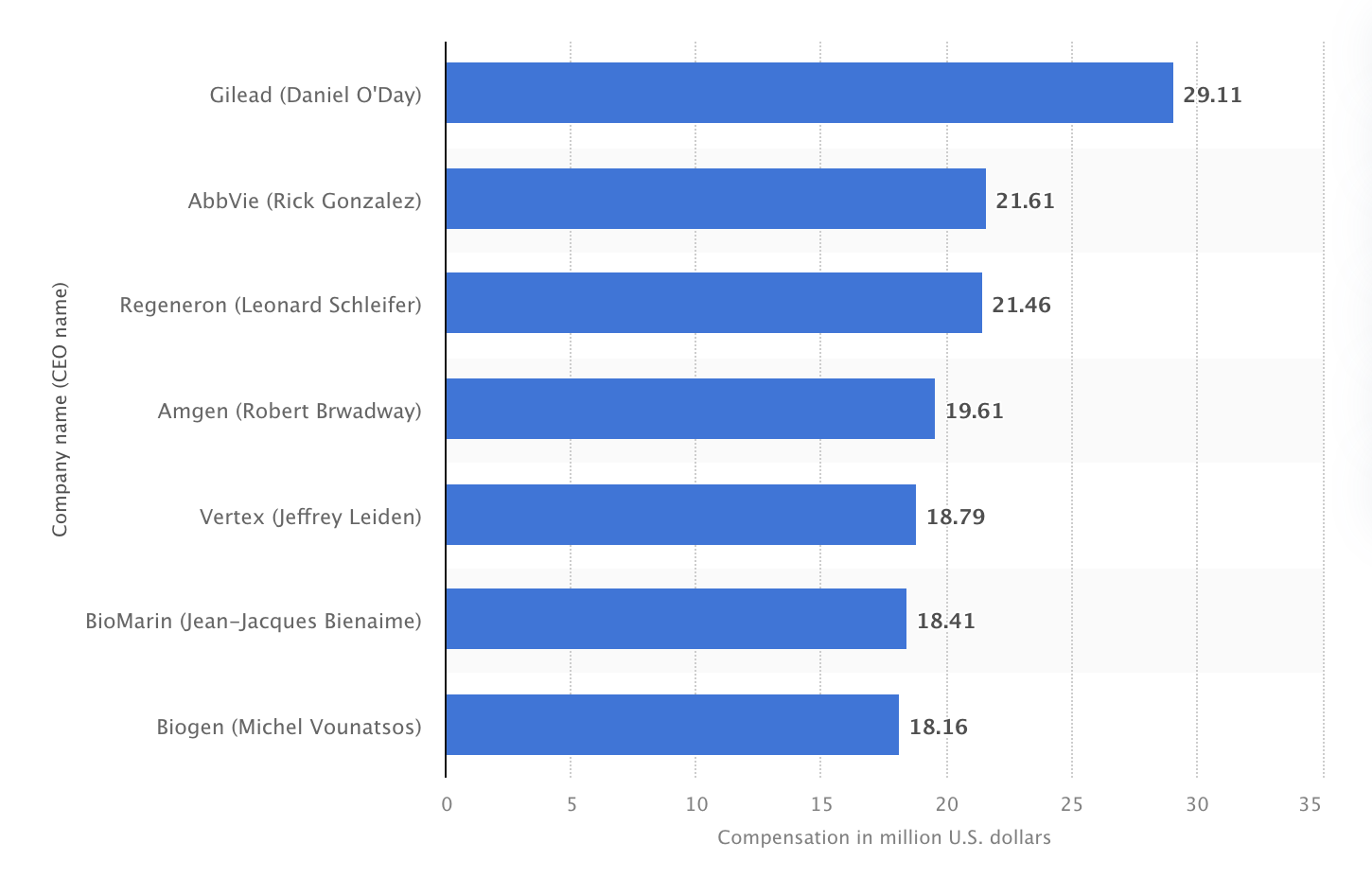
In 2019, several large biotech companies awarded significant CEO compensation. Daniel O’Day of Gilead received $29.11 million, Rick Gonzalez of AbbVie took home $21.61 million, Leonard Schleifer of Regeneron received $21.46 million, and Robert Bradway of Amgen was richer by $19.61 million.
These compensation figures reflect the recognition and remuneration bestowed upon these CEOs for their leadership and contributions to their respective biotech companies.
Top biotech & pharma firms by median employee pay
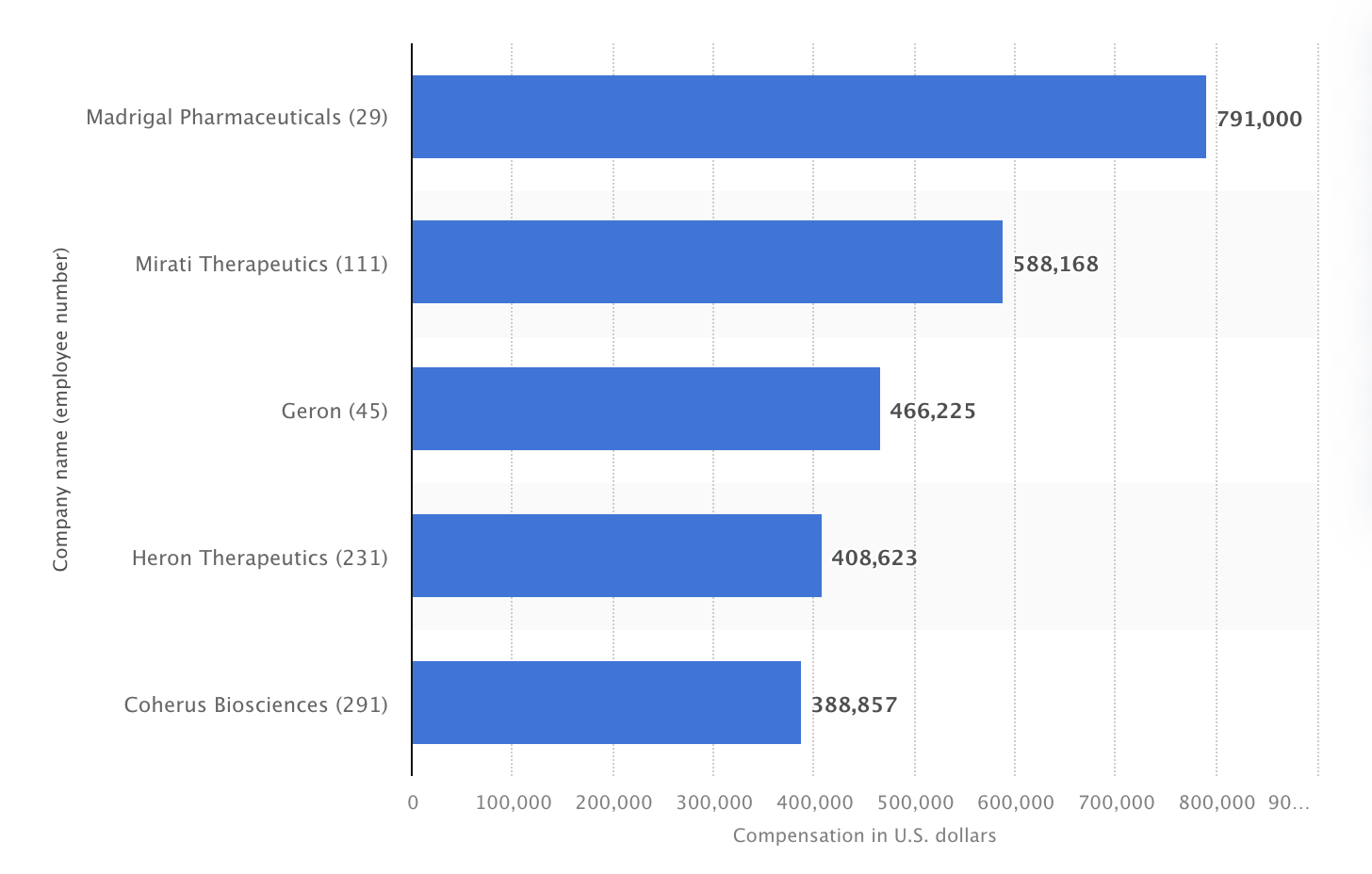
In 2019, Madrigal Pharma secured the top spot for median employee compensation among 231 surveyed companies in the biotech and pharma sector. The median employee at Madrigal Pharma received a remarkable compensation of $791,000 that year. Mirati Therapeutics came in second, offering employees a median compensation of $588,168.
Widest CEO-employee pay gap among biopharmaceutical firms
In 2019, Mylan NV had the widest CEO-employee pay gap among biotech and pharmaceutical companies. Mylan’s CEO received a compensation package that was 427 times higher than the median pay of an employee that year.
Smallest CEO-employee pay gap among biopharmaceutical firms
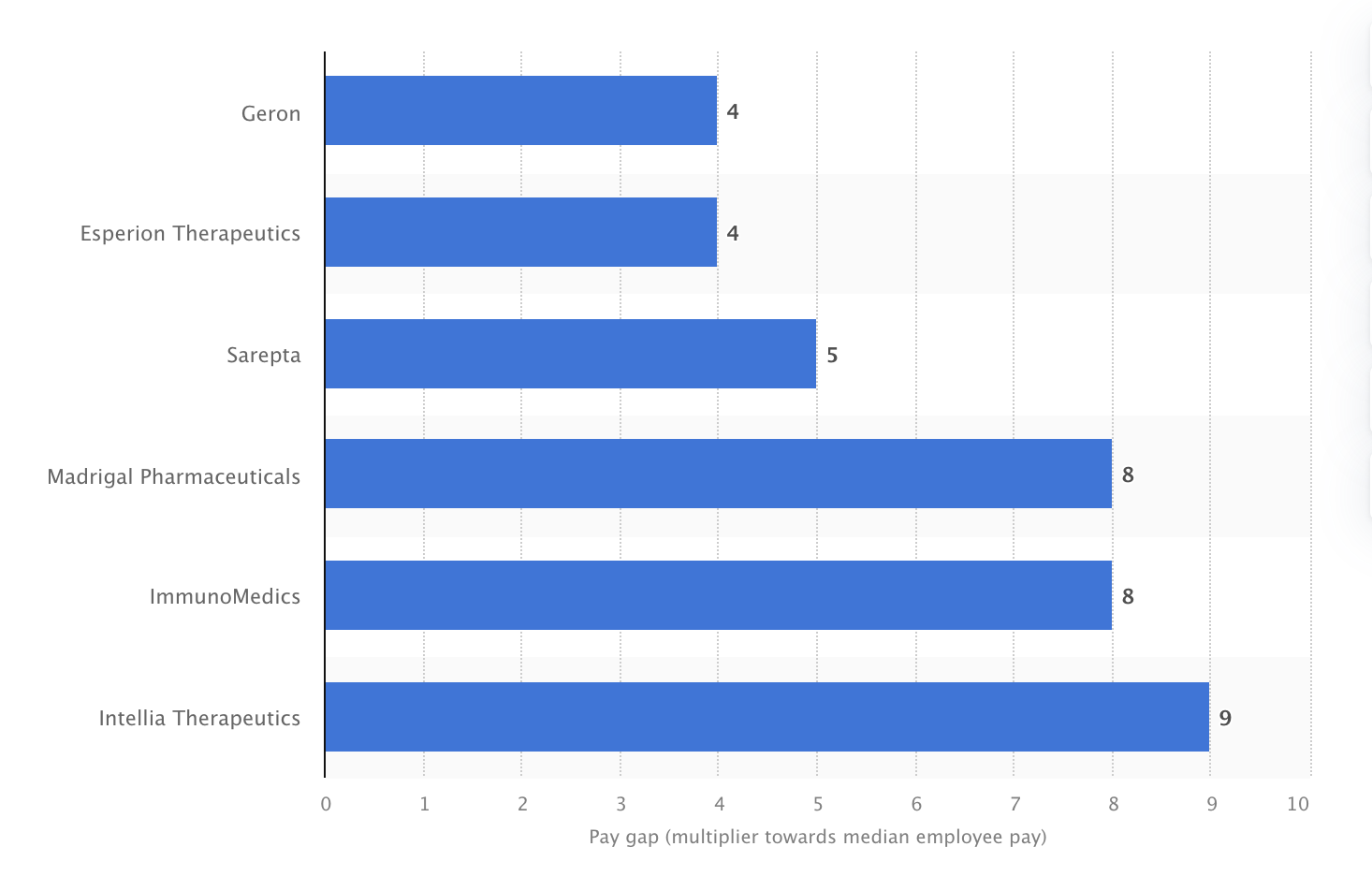
Geron and Esperion Therapeutics had the lowest CEO-employee pay gap among biotech and pharmaceutical companies, with their CEOs getting just four times the median employee salary. In contrast, Instellia Therapeutics recorded the highest pay gap with a 9x difference between the salary of the CEO and a median employee.
Top biotech female CEO compensations
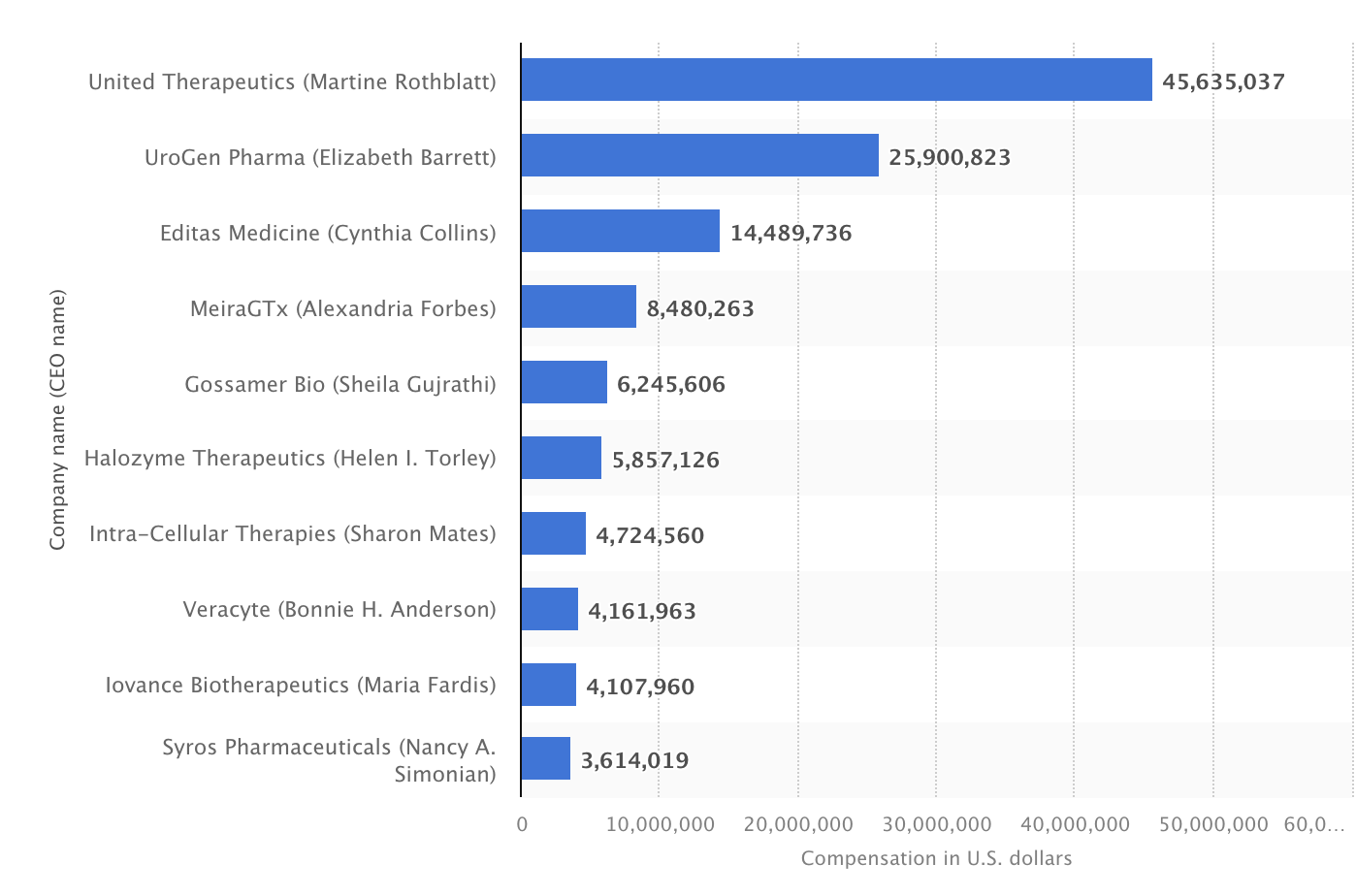
The CEO of United Therapeutics, Martine Rothblatt, received a total compensation of roughly $46 million, which made her the best-compensated female biotech CEO. She was followed by Elizabeth Barrett, CEO of UroGen Pharma, who earned close to $26 million, and Cynthia Collins, CEO of Editas Medicine, who received $14.48 million.
Pharma Statistics in 2024
We hope our exhaustive exploration of key statistics of the biotech industry has helped shed light on various aspects of this critical sector. From global pharmaceutical revenue distribution by technology to the value share of the biotech sector worldwide, these figures capture the immense scale and potential of biotechnology.
As the biotech industry continues to thrive and revolutionize the world of healthcare, companies need to effectively communicate their innovations, breakthroughs, and value propositions.
In the competitive landscape of medical device marketing, the quest to effectively reach healthcare professionals and decision-makers has always been difficult.
The dynamic nature of the healthcare industry demands a strategic approach that not only showcases the technical prowess of your medical devices but also establishes trust, addresses pain points, and offers tailored solutions.
By the end of this blog, you will be able to create strategic approaches in your marketing that will help your medical devices stand out.
In this guide, we delve into five expert-level tips that can elevate your medical device marketing game. From crafting content that resonates with your buyer persona to leveraging the power of paid advertising and SEO, these strategies are designed to create a robust marketing framework that resonates with your target audience, builds credibility, and drives meaningful conversions.
One of the key pillars of successful medical device marketing is tailoring your content to your specific target audience or buyer persona. As highlighted in our article on HCP marketing, understanding the pain points, challenges, and needs of your audience is crucial.
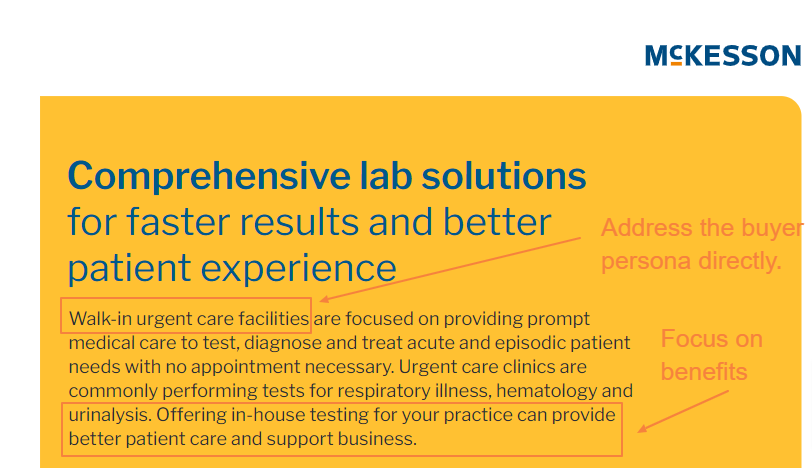
For example, this resource by McKesson on lab solutions for urgent care facilities is a prime example of tailored content. As McKesson provides lab solutions that are related to the topic, not only are they introducing themselves as a solutions provider but they are doing it in a way that is first and foremost beneficial to the end reader by showcasing how these solutions provide faster results and better patient experience.
By developing in-depth knowledge about the healthcare professionals (HCPs) and decision-makers who are likely to engage with your medical device, you can create content that resonates with them, address their concerns, provide solutions to their problems, and showcase the benefits of your device in a language that speaks directly to their expertise.
By showing that you understand their unique challenges and can provide valuable solutions, you’re more likely to build trust and credibility.
Outsource Content Marketing for Expertise in Conversion-focused Content
While you’re an expert in medical devices, you may not be an expert at creating persuasive and effective sales copy or understanding how to utilize content marketing to drive more leads and sales.
This is where outsourcing content creation comes into play. By partnering with vendors that specialize in biotech content marketing and offer different areas of expertise – graphic design, marketing, writing, etc. – you can take your medical device marketing beyond the merits of the product itself.
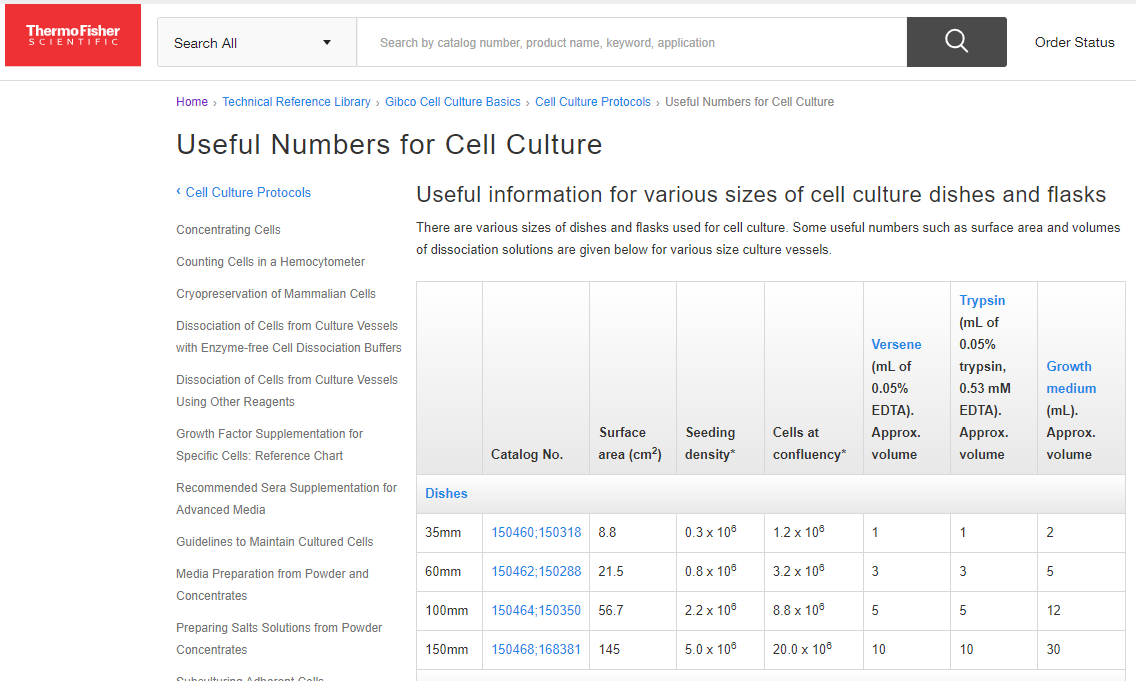
For example, this resource from ThermoFisher Scientific on “Useful Numbers for Cell Culture” is a great example of conversion-focused content. Here’s why:
It provides an easy-to-use reference point for the target audience to utilize
The page ranks for over 1,100 keywords (according to Ahrefs), including “useful numbers for cell culture” which gets an estimated 2,300 searches per month alone
The resource naturally introduces relevant product categories as ThermoFisher understand that a searcher looking for appropriate cell culture dishes and flasks may need to purchase more based on this resource
Whether it’s crafting engaging articles, designing visually appealing infographics, or producing persuasive marketing copy, outsourcing ensures that your content is not only accurate but also captivating.
Your Website as Your Primary Sales Tool
In medical device marketing, your website serves as more than just an online presence; it’s a dynamic platform that can drive your sales and conversions. Your potential customers, whether they are healthcare professionals or decision-makers, often turn to your website for detailed information before making purchasing decisions.
Your website should function as an intuitive and informative hub that not only showcases the features of your medical devices but also educates visitors about its applications, benefits, and real-world user experiences.
To achieve this, focus on incorporating captivating visuals, user-friendly navigation, and compelling Calls to Action (CTAs) strategically placed throughout your website. Include detailed product descriptions, case studies, success stories, and any relevant certifications or awards that underline the credibility of your medical device. By creating a seamless online experience, you can capture leads, nurture prospects, and guide them through their decision-making process.
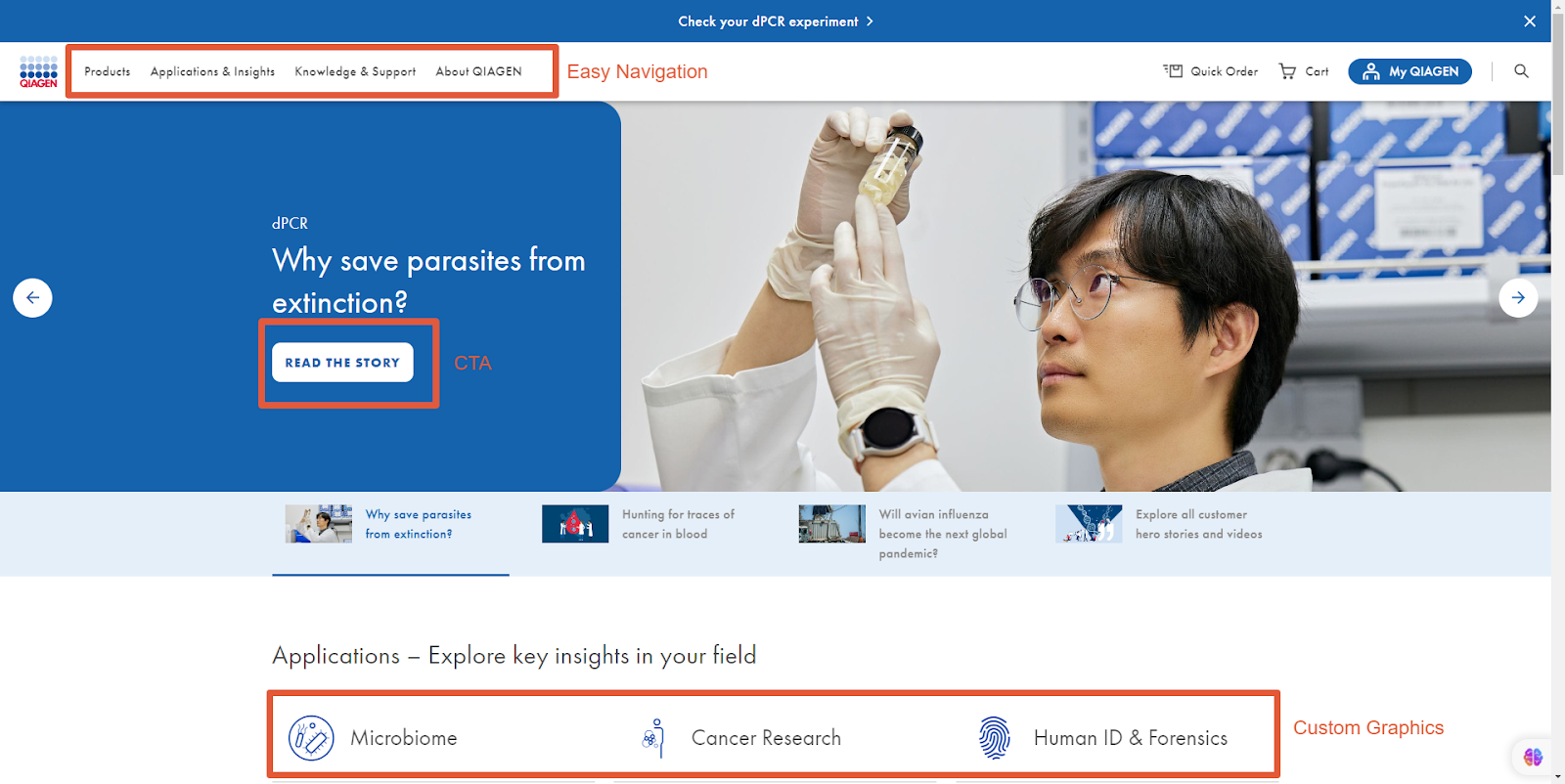
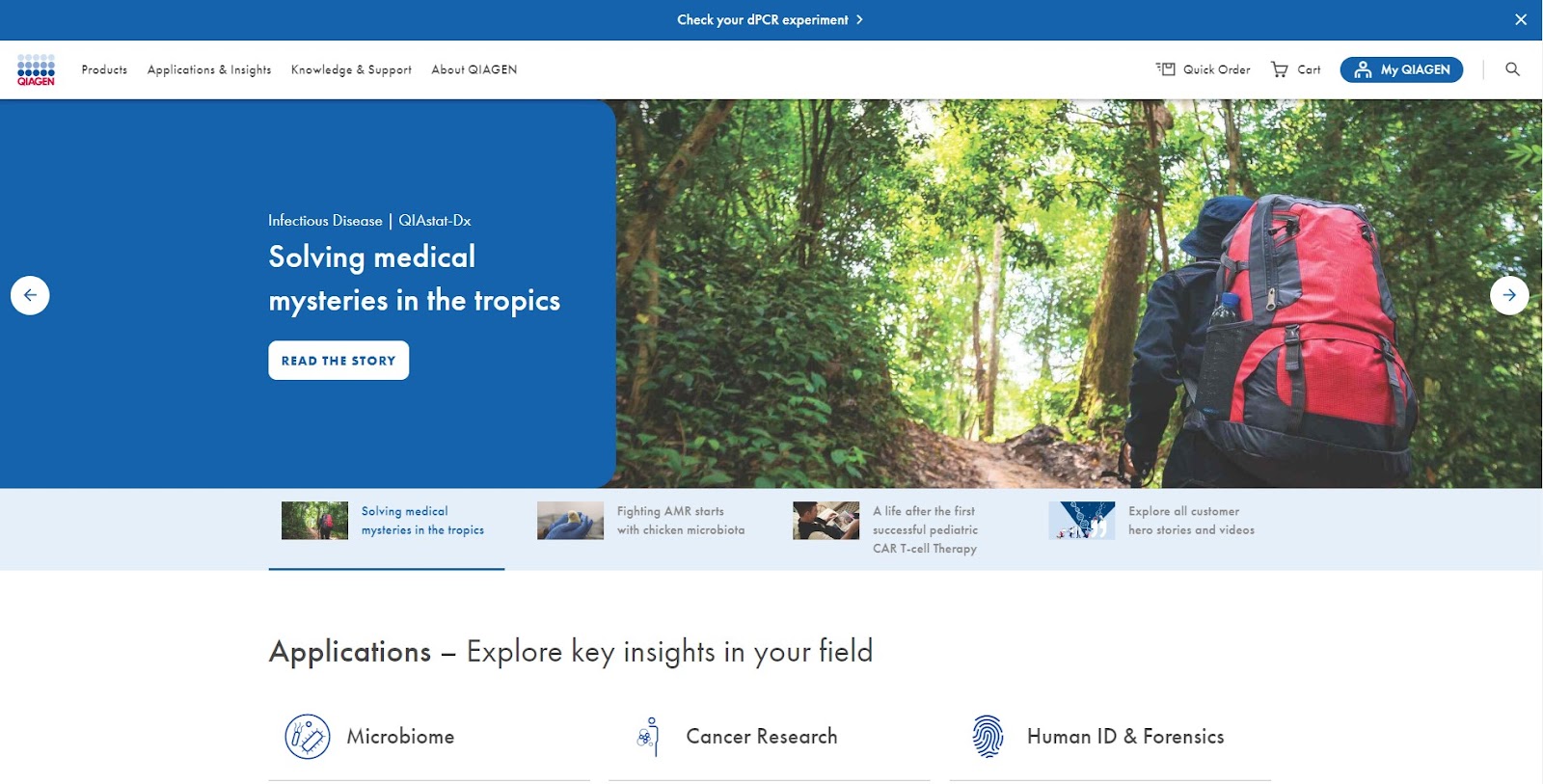
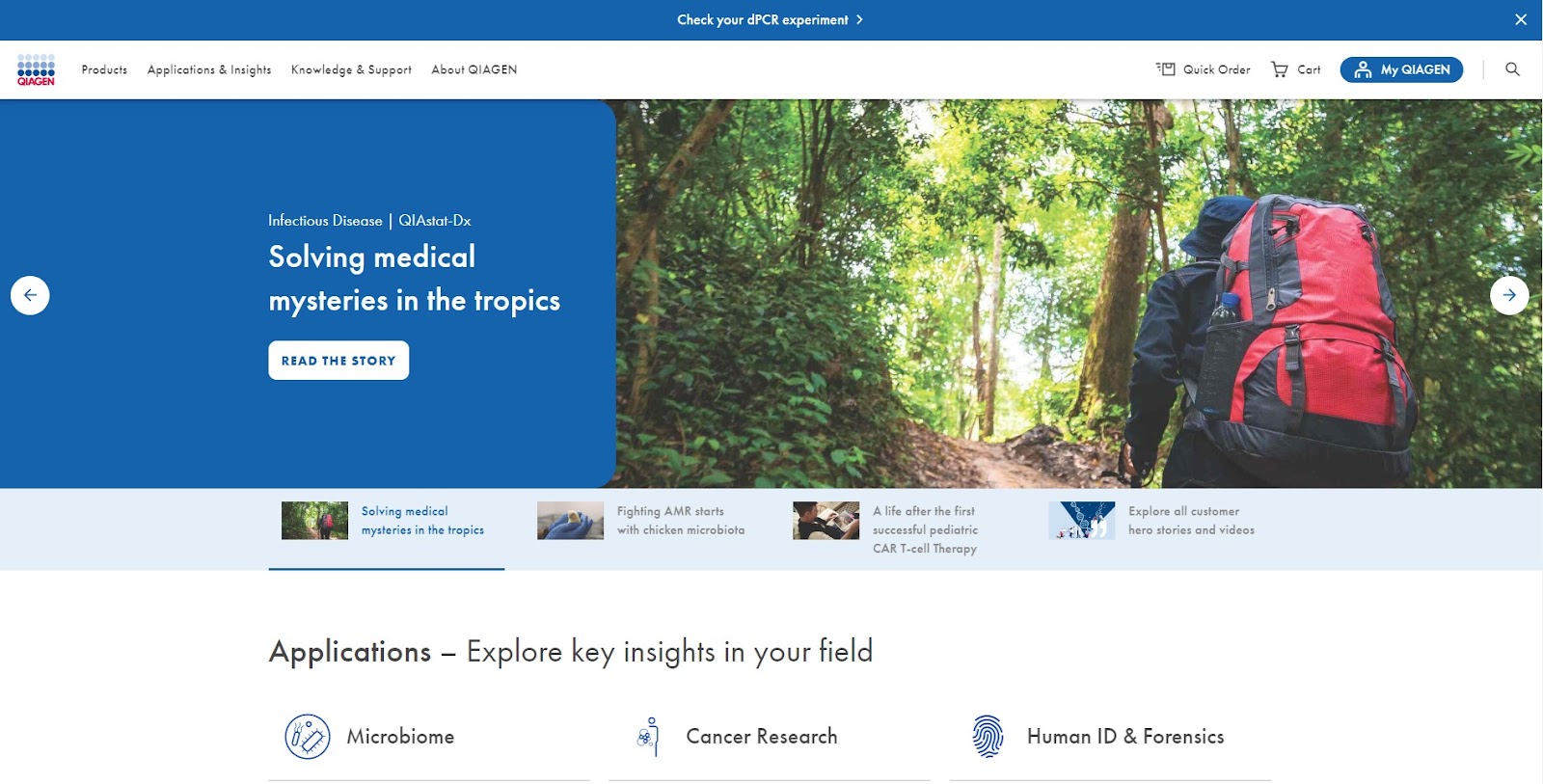
Let’s look at the following example from Qiagen. On their website, can easily navigate with their simple menu bar at the top, a panel of rotating images with different CTA’s, and multiple custom graphics related to applications. This home page is an example of a good sales tool as it helps funnel visitors down a path with an easy-to-use interface and site structure.
An additional aspect of using a website as a sales tool is building trust and credibility. It’s one thing to say “our products are the best” and another when other trusted references do it for you.
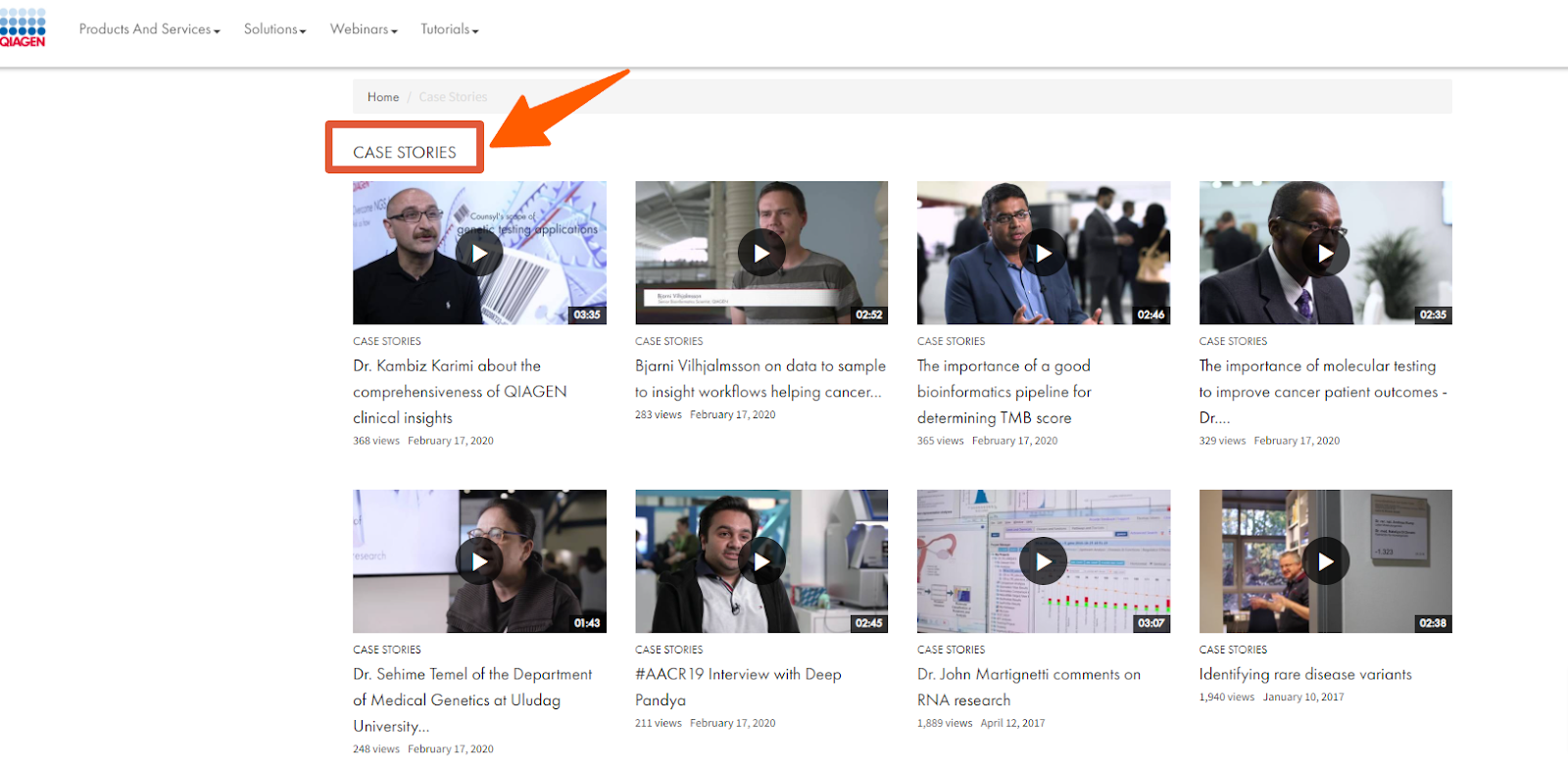
Throughout their website they have littered several instances of subtle social proof. For example, in their case stories section, they have multiple doctors talking about how great and effective their products are. This gives Qiagen respect and authority, resonating with their potential customers as these claims come from third-party clients.
In another social proof example, at the top of this page, we see the logos of brands Qiagen is associated with. These provide a subconscious level of social proof and credibility that a visitor would likely take comfort in should they be considering using the brand. Second, they have a blog section with informative articles that establish them as a thought leader in the space.
Leverage Paid Ads to Fill Your Sales Pipeline
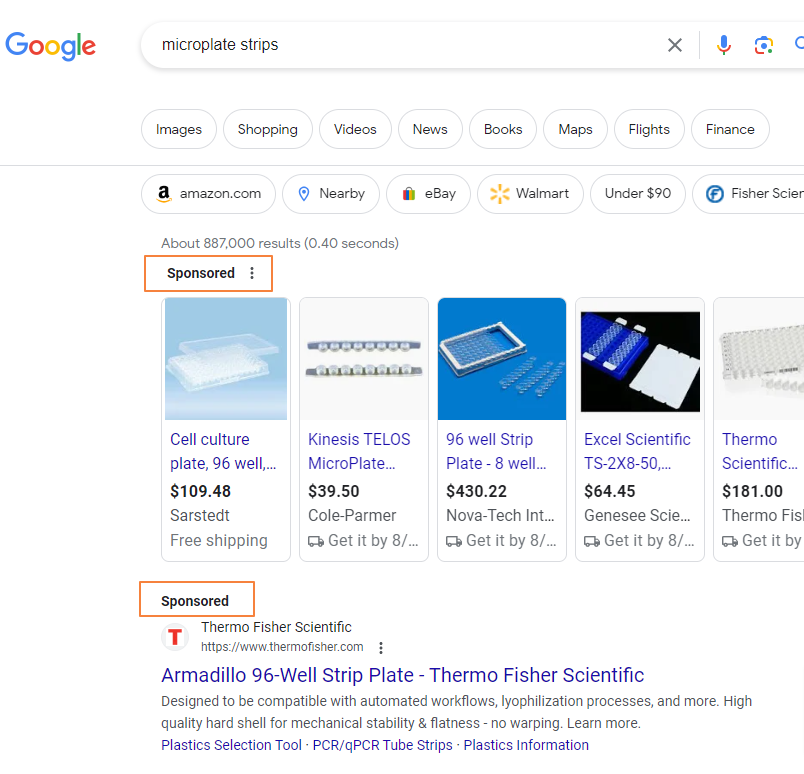
Paid advertising is a strategic avenue for accelerating your medical device marketing efforts. Google Ads, as highlighted for search intent, allow you to capture the attention of ideal clients actively searching for relevant keywords related to your device(s). This ensures that your product is visible at the precise moment when potential customers are seeking solutions.
Below, we see two different ad types. The top ad with pictures are Google Shopping Ads while the second are Google Search Ads. This is valuable real estate for brands that want to get in front of searchers with purchase intent.
Additionally, LinkedIn ads are also effective for targeting Ideal Customer Profiles (ICPs) in the medical field. The platform’s advanced targeting options enable you to reach specific job titles, industries, and professional demographics.
For these ad types, it is recommended to partner with a company experienced with biotech paid media so that they can evaluate and recommend paid advertising opportunities on a case-by-case basis.
SEO for Full-Circle Sales Cycle Awareness & Lead Generation
SEO can drive organic traffic, generate leads and ensure a continuous flow of engaged prospects through the various stages of your sales funnel. For medical device sales specifically, an SEO plan should revolve around:
Product pages
Category pages (see example below)
Supporting content to drive traffic and brand awareness
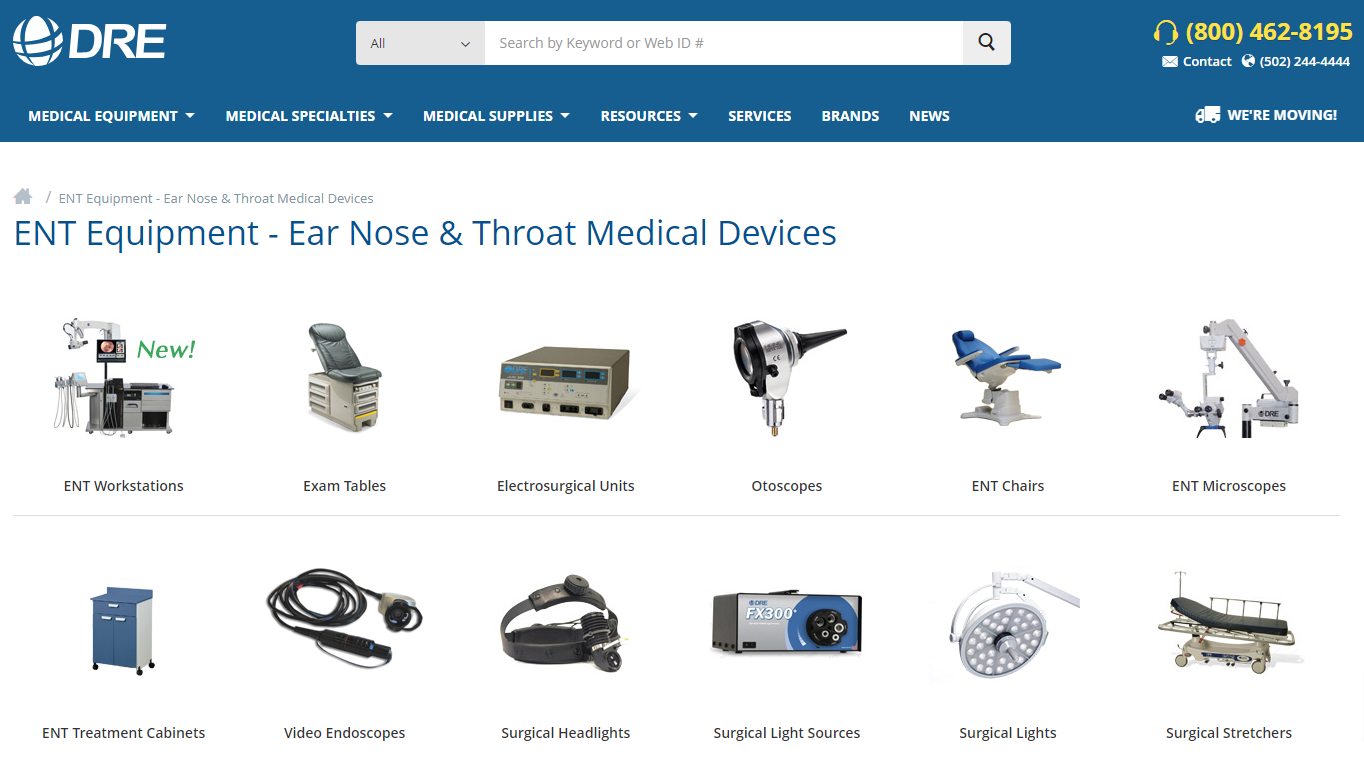
For example, the below page from DRE Medical appears to have invested in some SEO in order to rank this page on ENT Equipment.
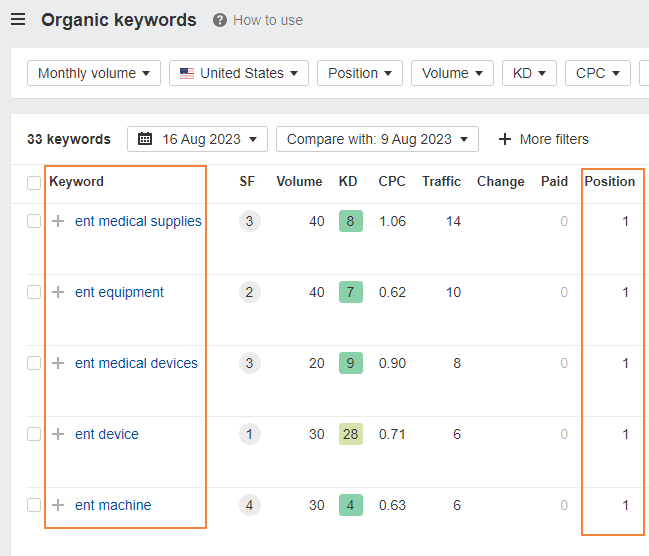
They rank number 1 for key high purchase intent keywords such as “ent medical supplies,” “ent equipment” and others related to their product offerings. This is an example of bottom-of-the-funnel SEO as it relates to purchase intent.
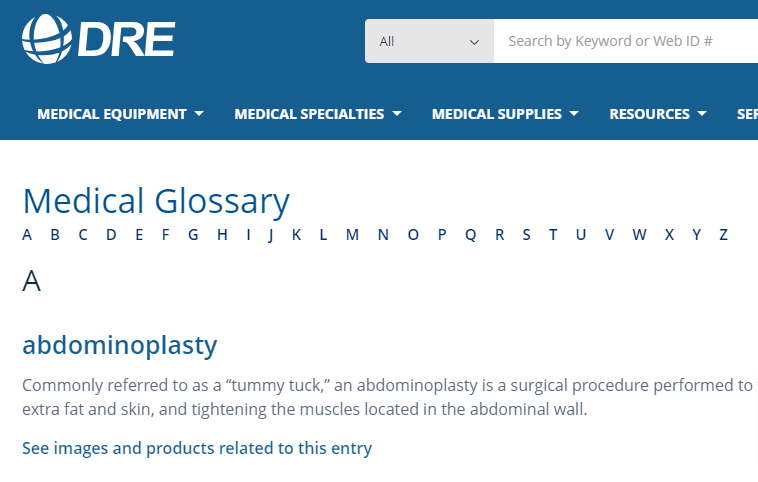
The site also does a good job of funneling search traffic for top-of-the-funnel searches with its medical glossary, which ranks for general searches like “nasalplasty” or “fulguration.”
If your company doesn’t have in-house staff to constantly work on developing your SEO for the medical devices, it is strongly encouraged that you partner with an agency that can help make sure your medical devices don’t slip through the cracks.
Incorporating these expert-level tips into your medical device marketing strategy can position your brand for success, resonate with your target audience, and enhance your overall marketing effectiveness.
Step into our all-encompassing collection featuring the best pharma websites of the year! Within this article, we plunge into the ever-evolving realm of pharmaceuticals to present a lineup of the most inventive, user-centric, and visually remarkable websites that are redefining benchmarks in the field. Ranging from pioneering research establishments to visionary pharmaceutical enterprises, these handpicked websites have been meticulously chosen to spotlight their outstanding designs, instinctive user experiences, and enlightening information. Join us in embarking on a journey through the forefront of digital biotechnology as we applaud the websites propelling remarkable advancements in this domain.
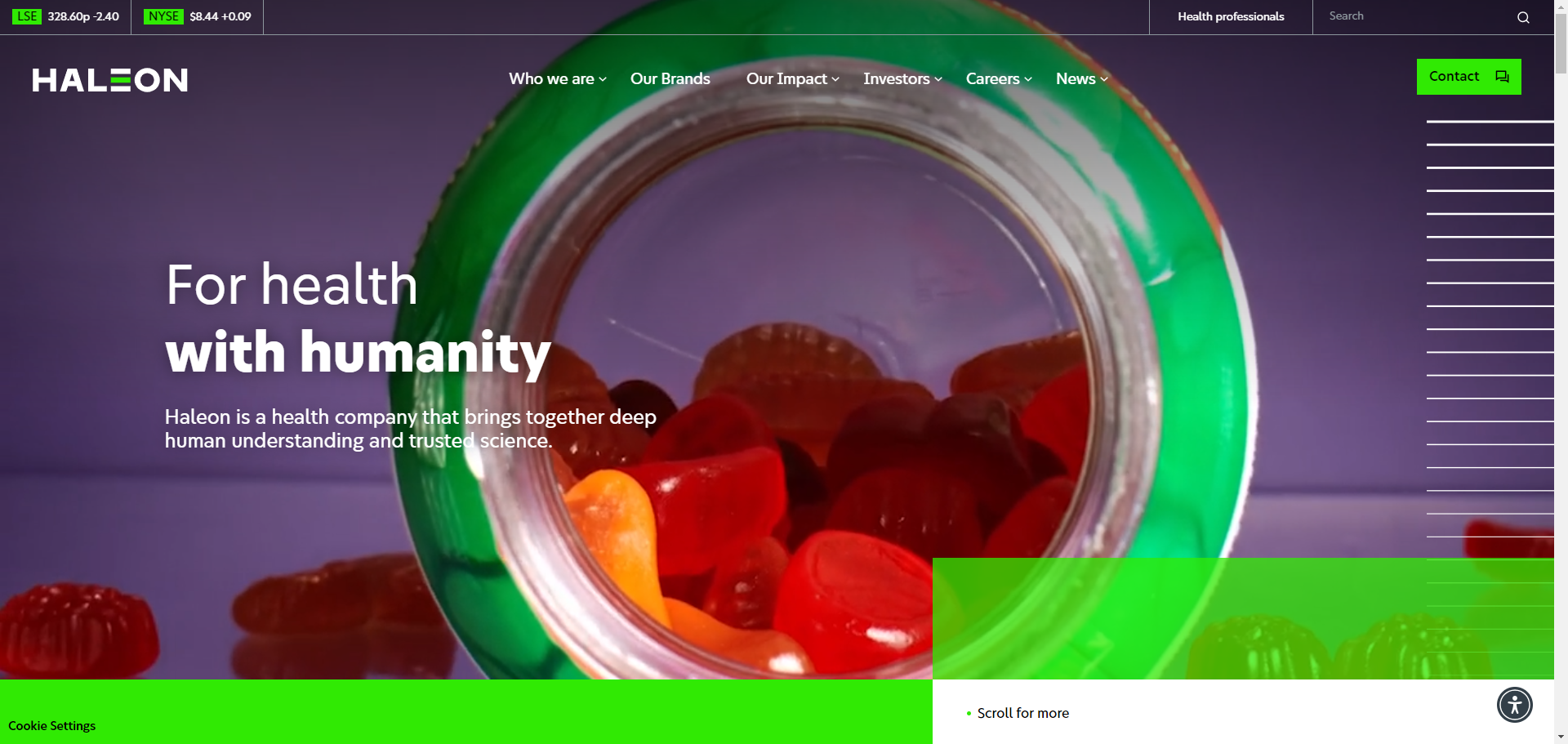
New to the list is Haleon, a bit more risque on the design side but that is what we like about it. As opposed to the cold and corporate look most pharma companies opt for, this site is a welcome respite with bold branding, dynamic video within the hero section, and an interesting play on the “e” in the logo throughout the site. It maintains the storytelling aspect of modern pharma sites, but includes some product elements that no doubt drive some awareness to items you probably have in your medicine cabinet.
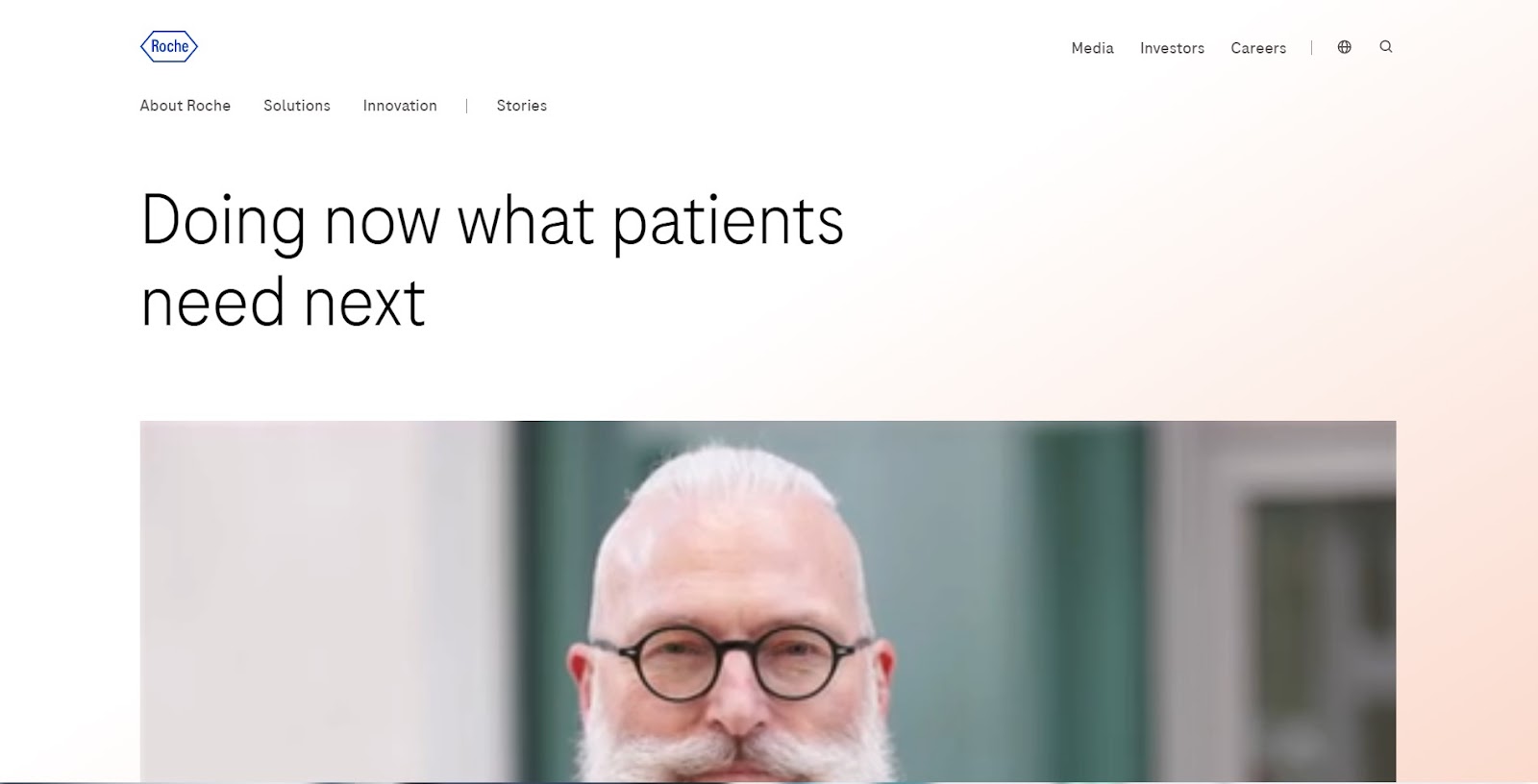
Roche’s website showcases a modern and informative platform, providing visitors with insights into the company’s diverse portfolio of diagnostic products and biopharmaceuticals, with a special focus on oncology. Their website is interactive and constantly changing as you scroll through it, providing a refreshing user experience throughout.
Alexion Pharmaceuticals’ website highlights its dedication to developing therapies for rare and ultra-rare diseases, aiming to transform patients’ lives. Their website does a great job of using images to help support what they are fighting for.
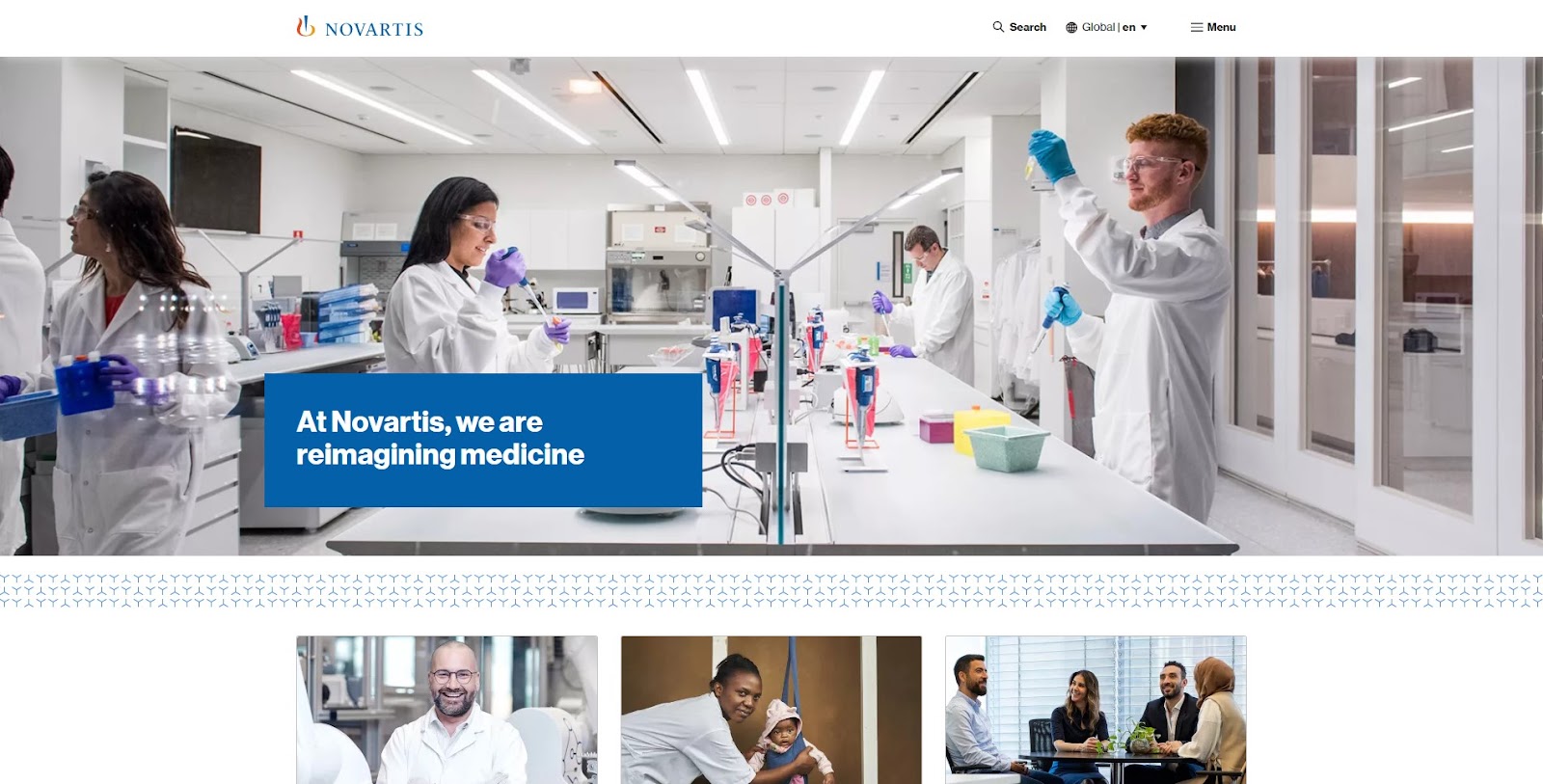
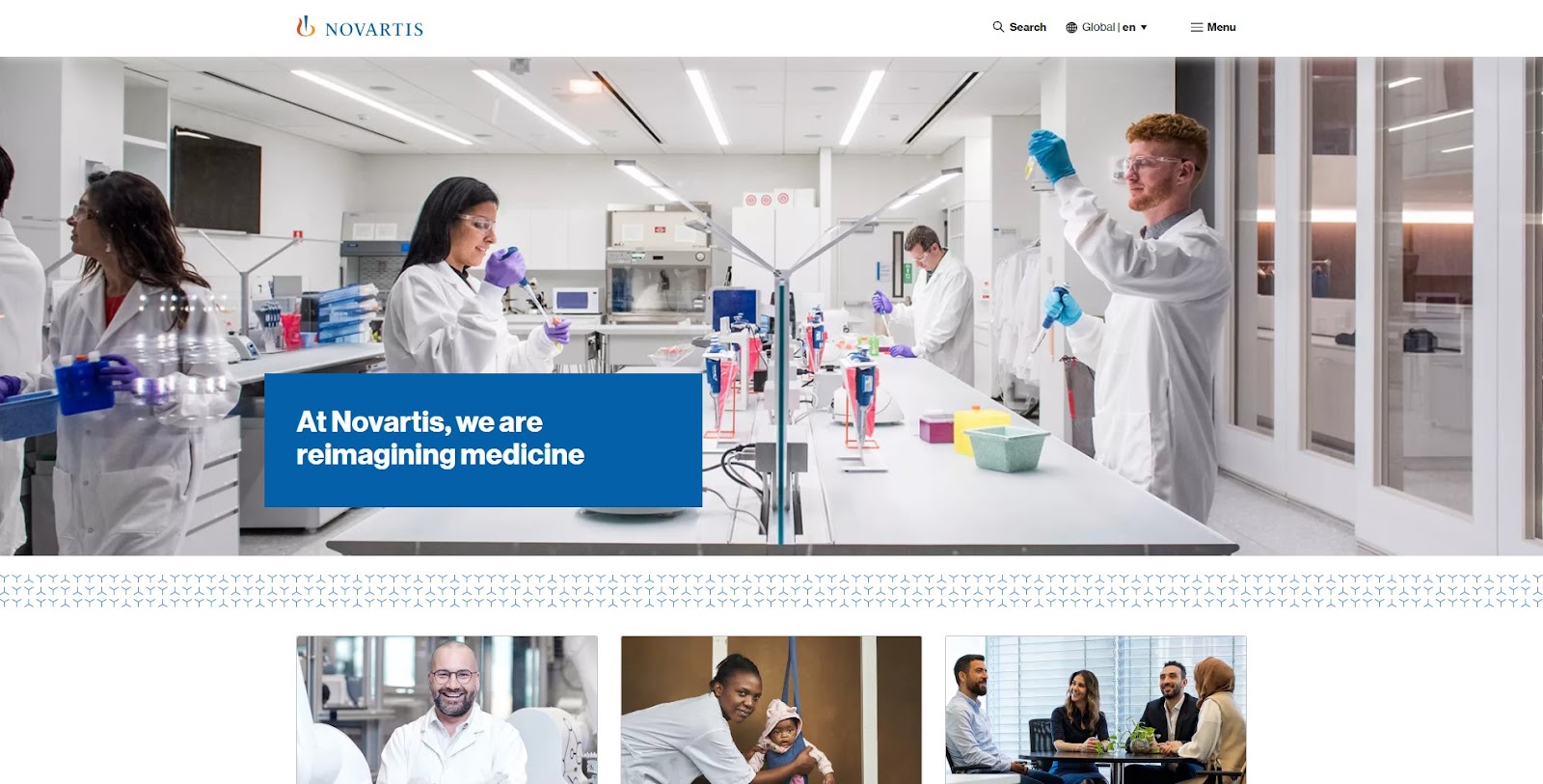
Novartis’ website features a user-friendly interface with clear navigation, showcasing the company’s commitment to transforming patients’ lives through innovative medicines and cutting-edge research.
Sangamo Therapeutics’ website emphasized its leadership in gene editing and gene regulation technologies, aiming to address genetic diseases. Their website is sleek and has great social proof with the doctors in the pictures having the logo of the company. They weren’t just using stock images which is a great touch.
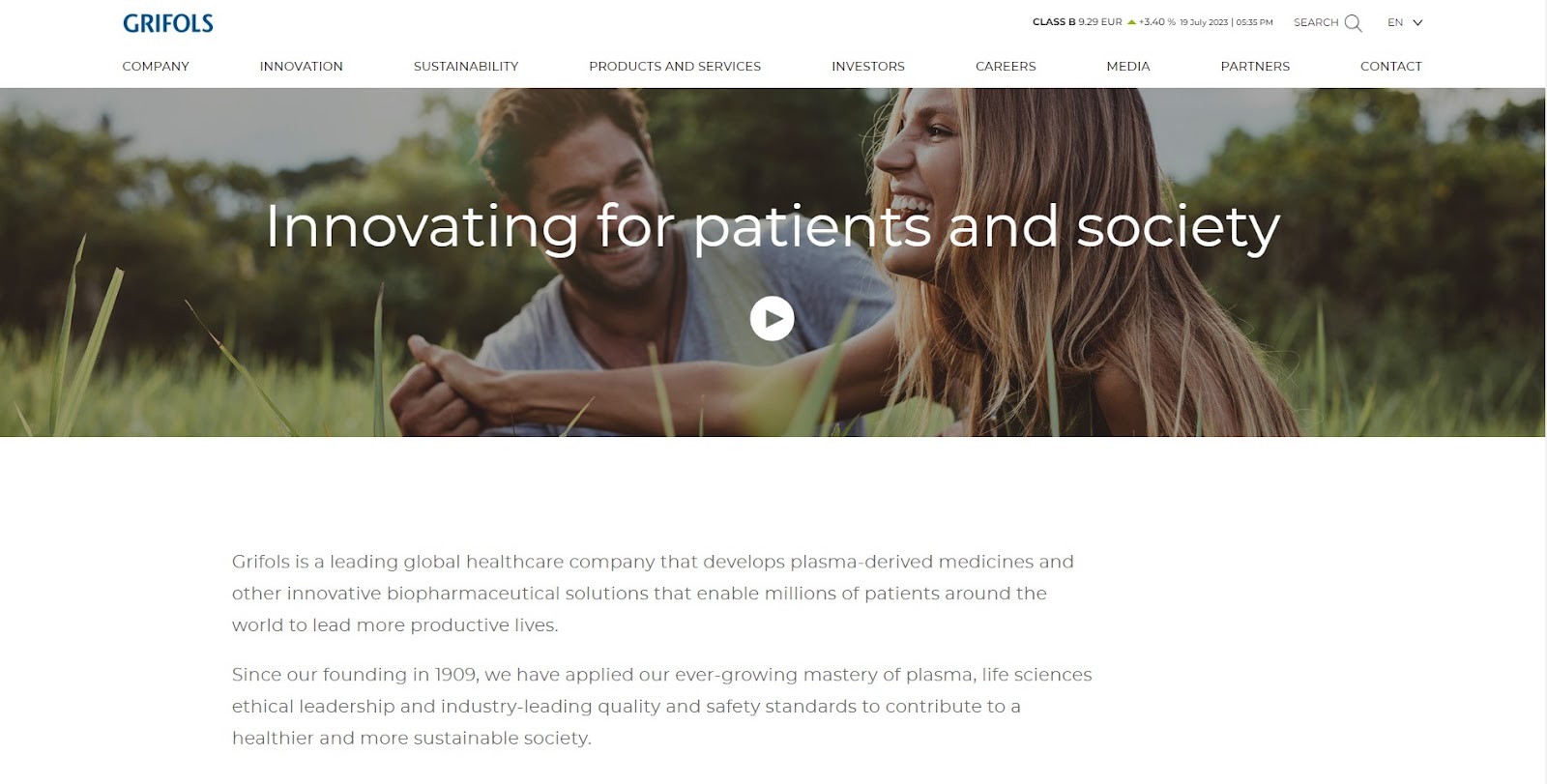
Grifols’ website focused on its commitment to advancing healthcare solutions, particularly in the areas of plasma-derived medicines and transfusion medicine. Their persuasive video in The Hero does an amazing job of showing the company’s values and what they aim to achieve.
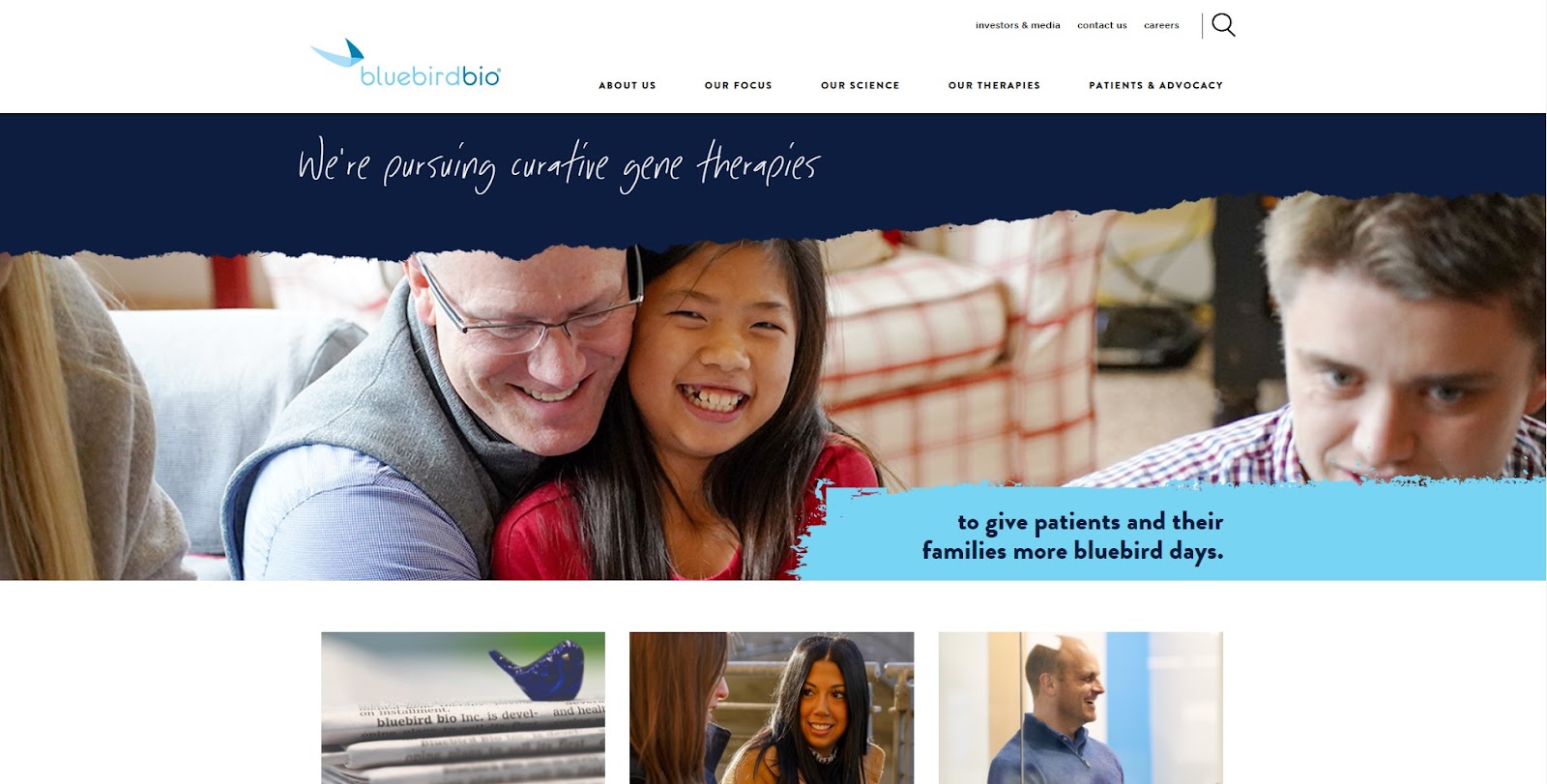
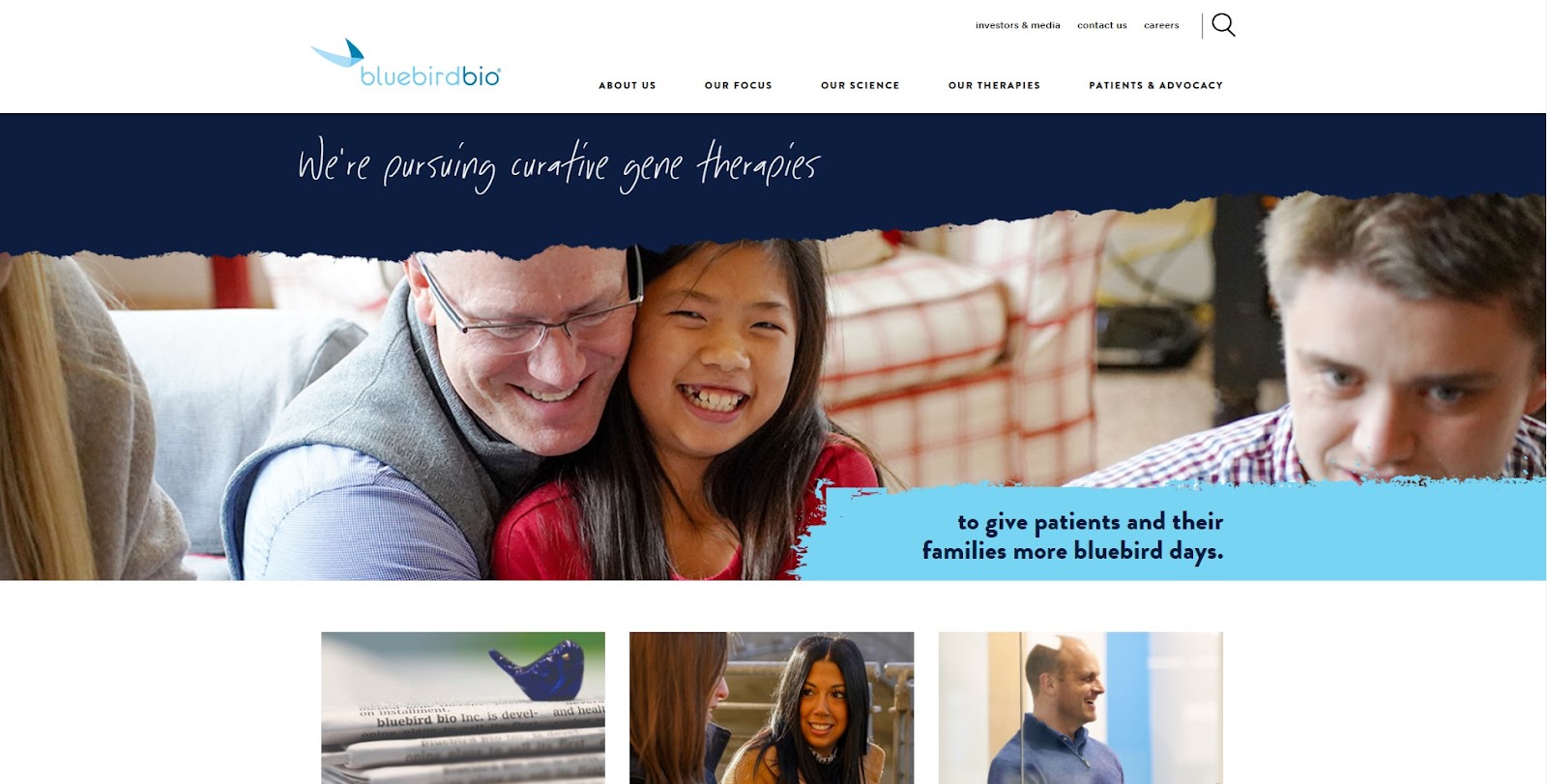
Bluebird Bio’s website emphasizes its pioneering work in gene therapy, particularly for severe genetic disorders, with a commitment to transforming patients’ lives. There is comfort and diversity through their use of images and font choices.
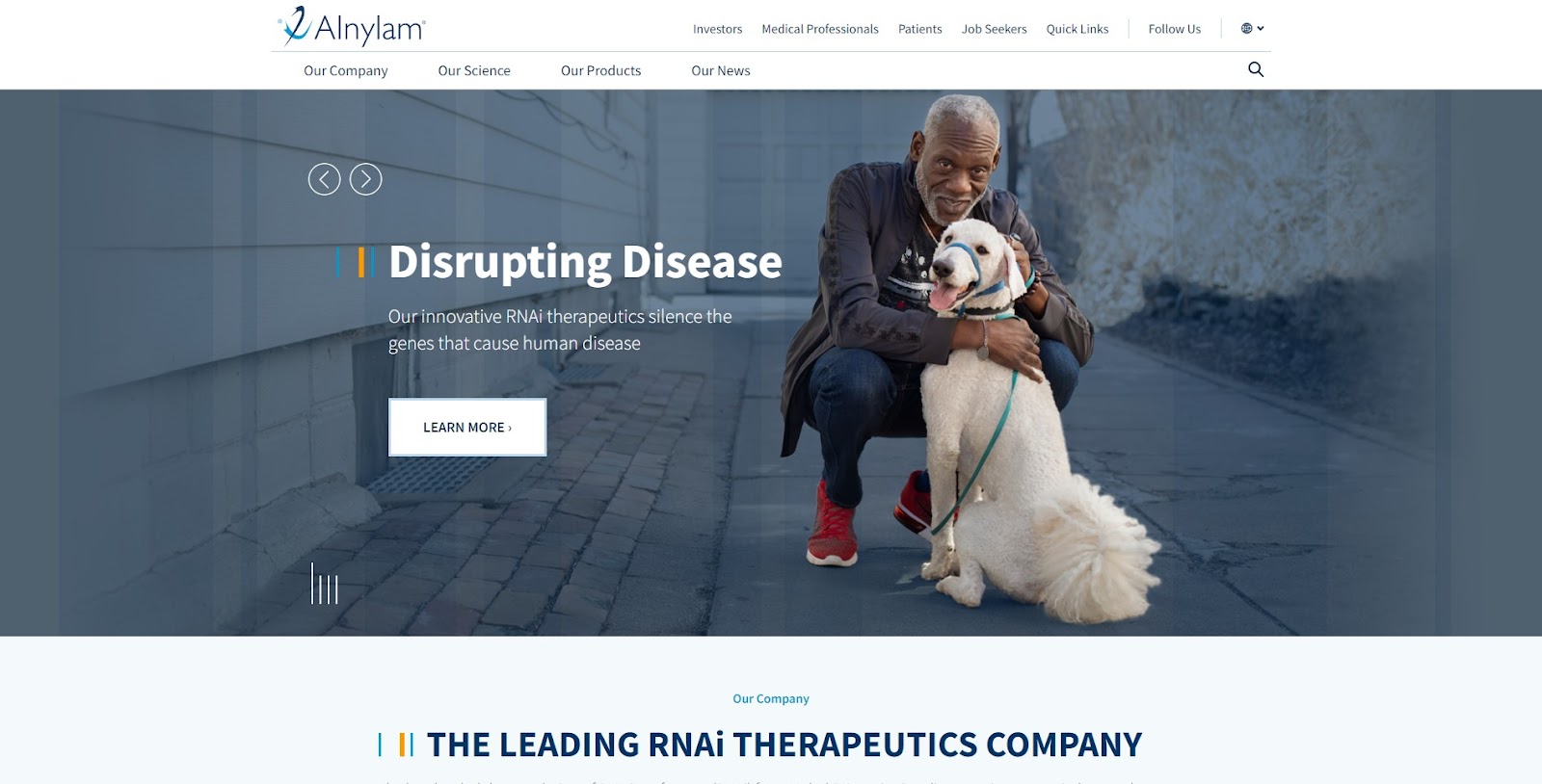
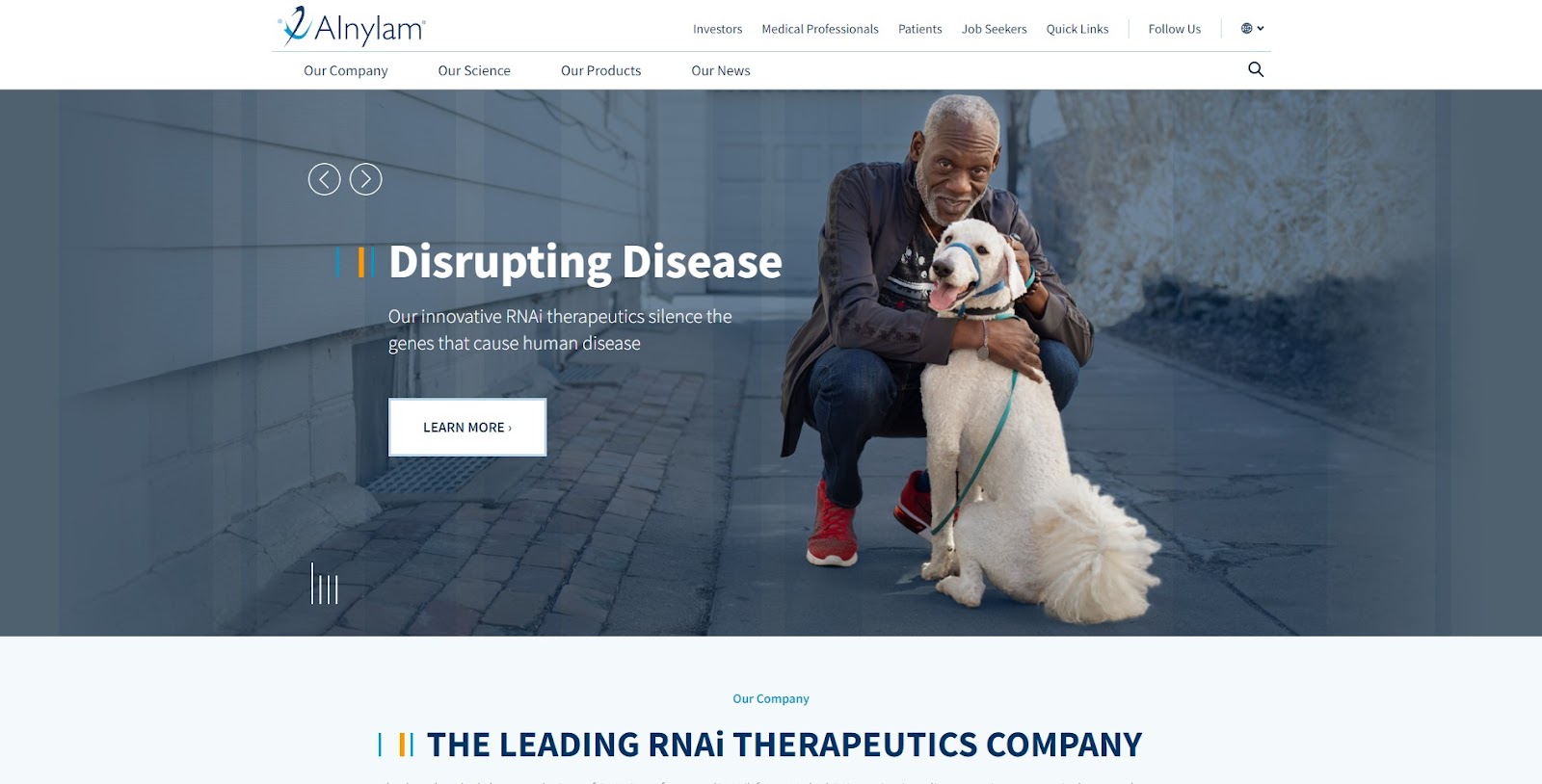
Alnylam Pharmaceuticals’ website highlights its leadership in RNA interference (RNAi) therapeutics, targeting the root cause of genetic diseases. They have tons of custom graphic designs that elevate the user experience on the site. Small designs often go unnoticed but elevate a website to the next level.
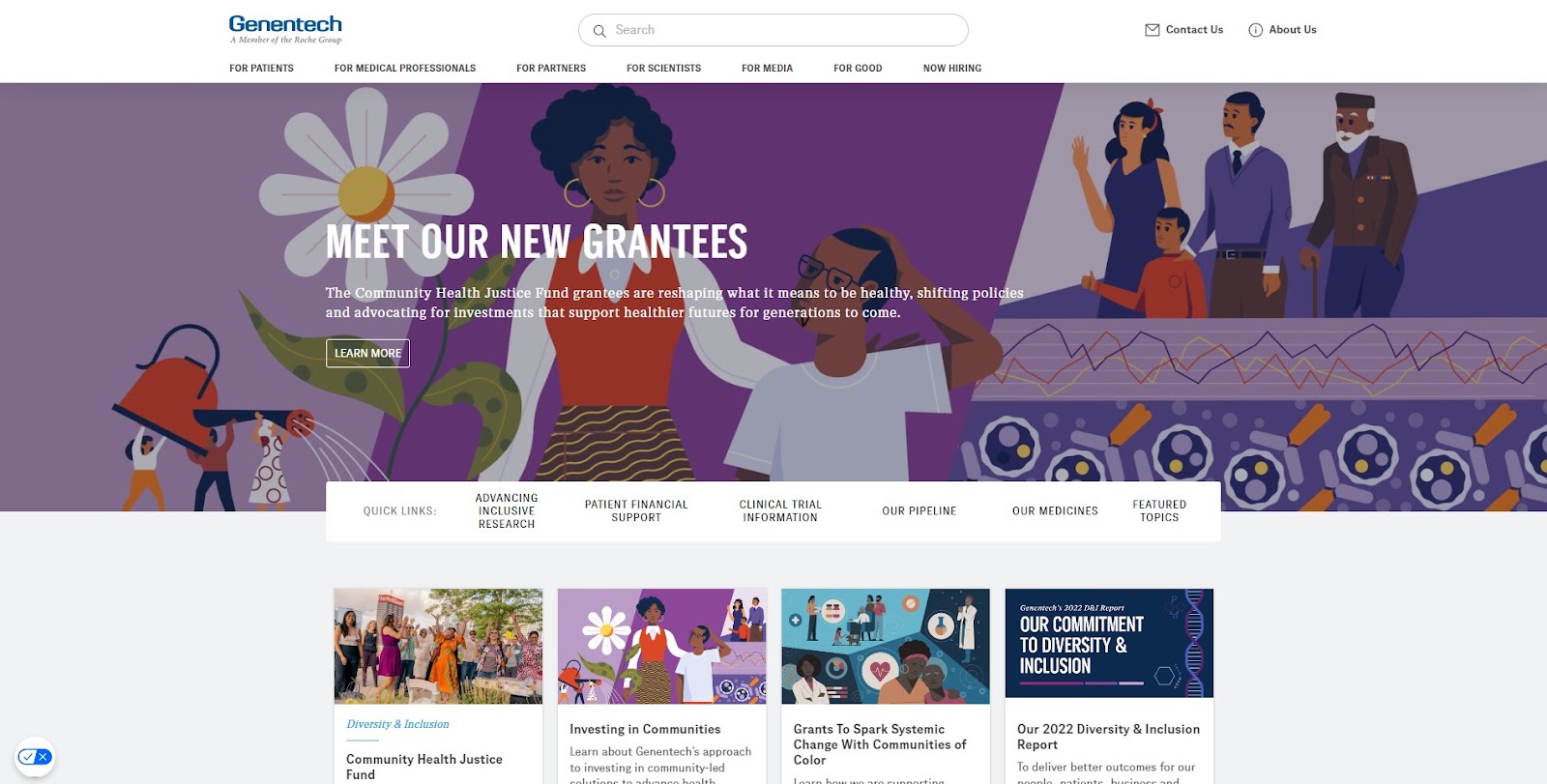
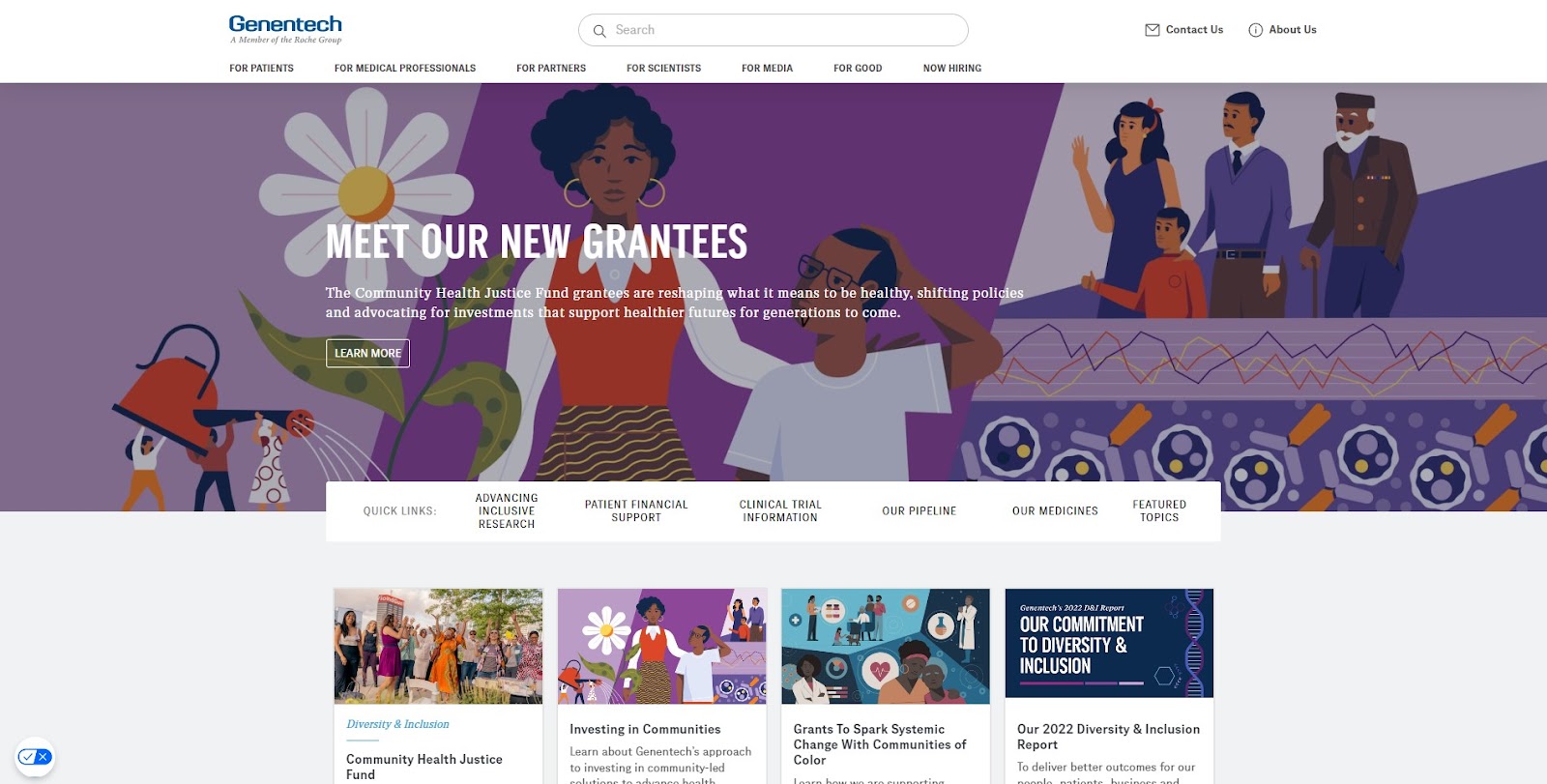
Genentech’s website is praised for its clean design, intuitive navigation, and informative content that highlights its groundbreaking research and biotech advancements. Their approach to graphic design is unique and it makes them stand out amongst competitors. They have a cartoonish style that is genuinely one of a kind.
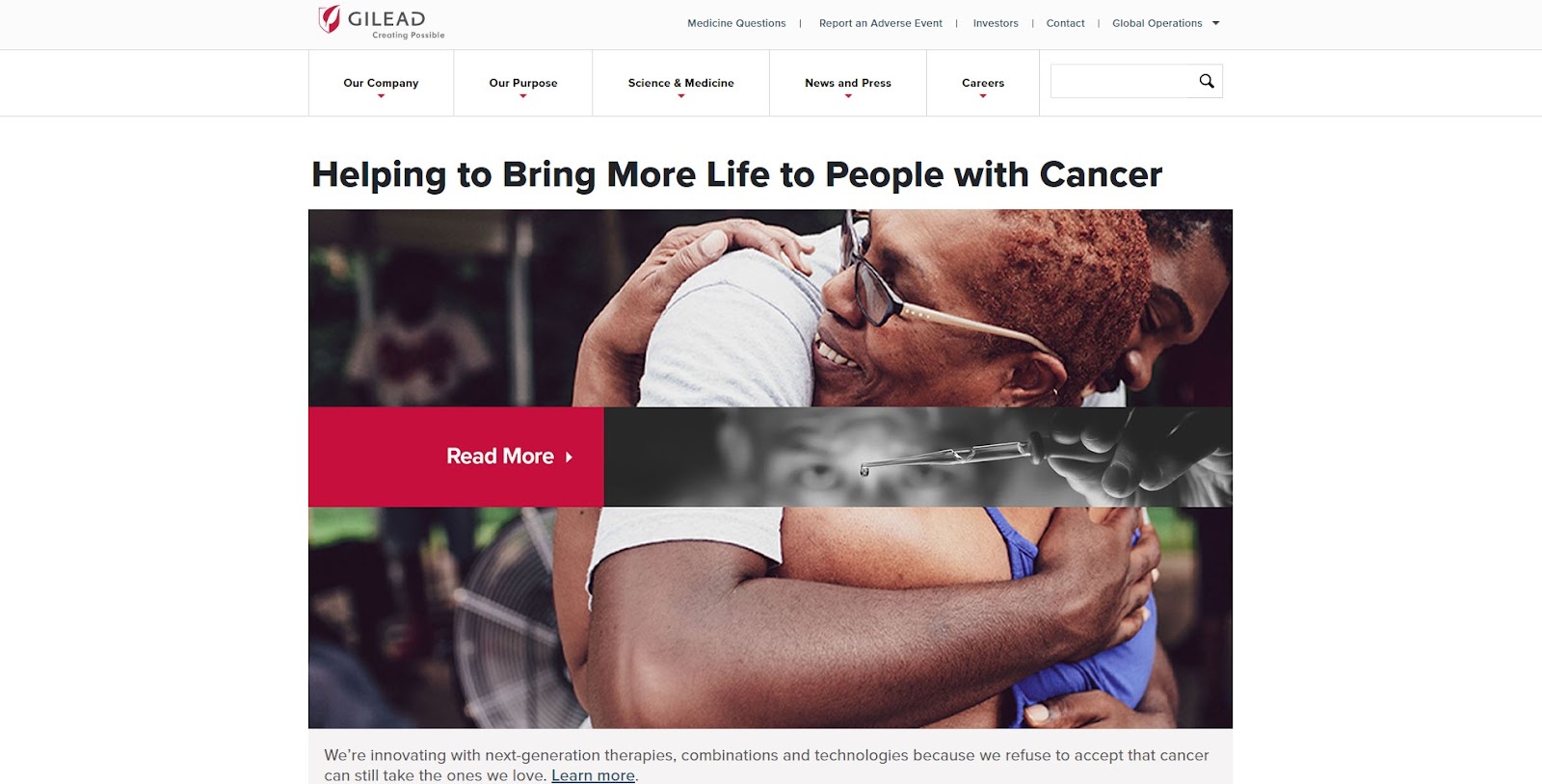
Gilead Sciences’ website is recognized for its comprehensive scientific resources and well-organized content, providing valuable insights into its antiviral and therapeutic breakthroughs. Their website is simple but highlights their missions effectively and in a way that is delicate to the eye.
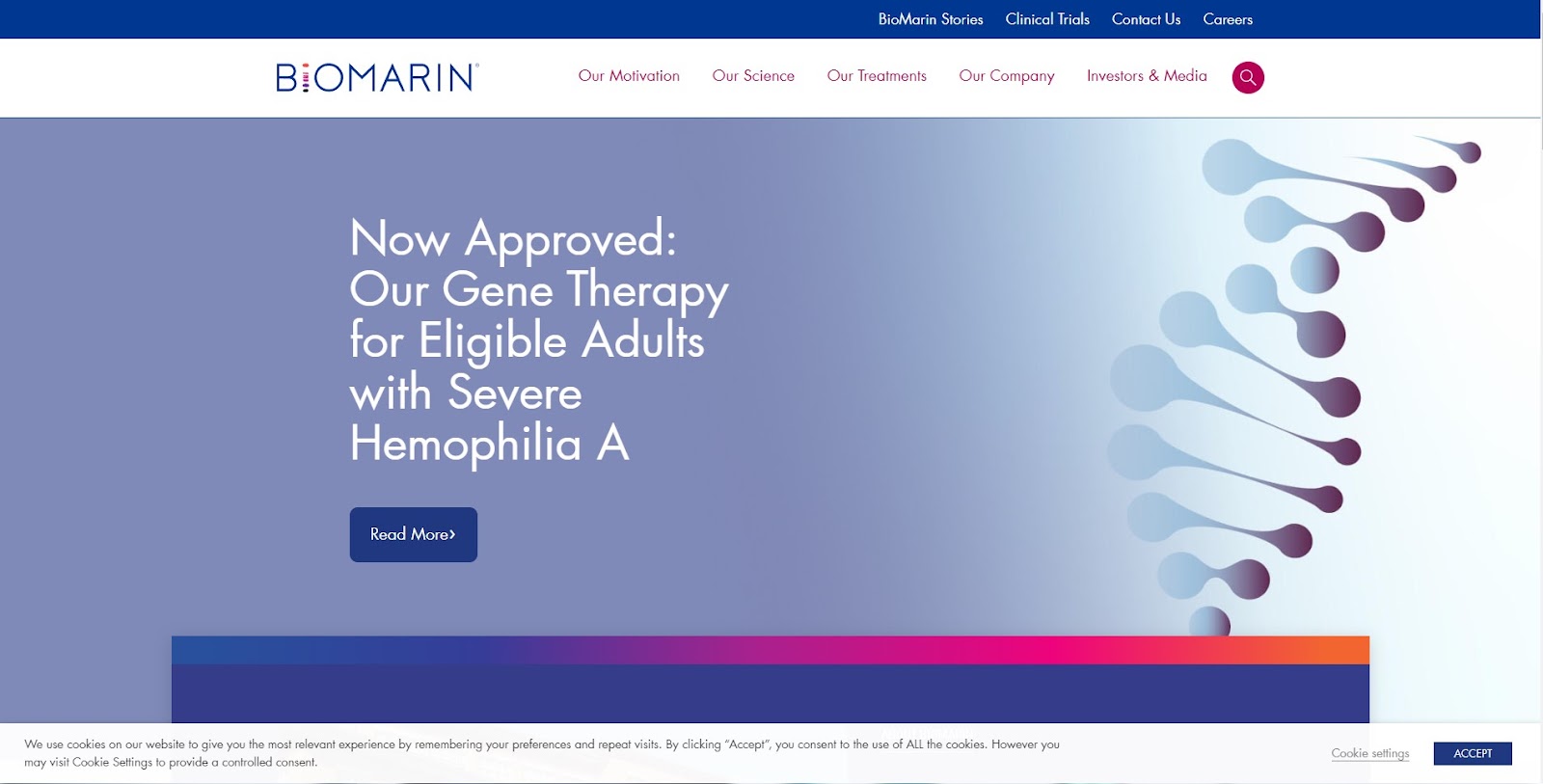
BioMarin Pharmaceutical’s website showcase its dedication to developing therapies for rare genetic diseases, particularly in the fields of enzyme replacement and gene therapy. Their website is very sleek and has a minimalist aesthetic that helps keep clutter out of the way when browsing.
Johnson & Johnson’s website showcases its wide-ranging impact on global health, including pharmaceuticals, medical devices, and consumer healthcare products. They do a good job of reminding users of their breadth of services by having multiple pages explaining brands that they are affiliated with, and case studies highlighting their numbers.
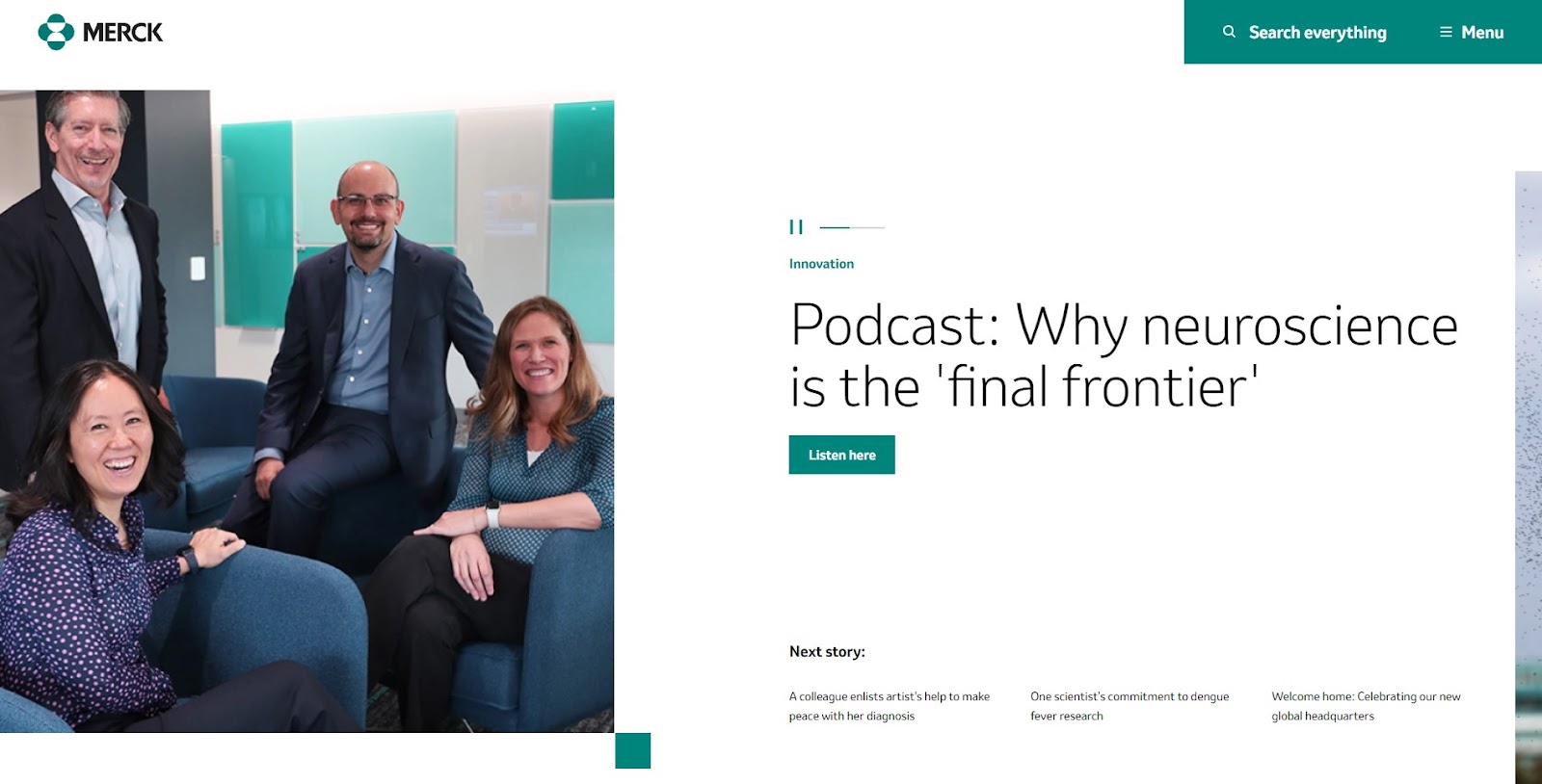
Merck’s website features a modern design and provided information about the company’s commitment to advancing healthcare through research and development. They do a great job at highlighting their achievement, displaying their research, and making people at the forefront of their site.
Bayer’s website showcases its diverse portfolio, spanning pharmaceuticals, consumer health, and agricultural solutions, with an emphasis on improving lives worldwide. Their website is dynamic and allows for engaging changes as you browse through.
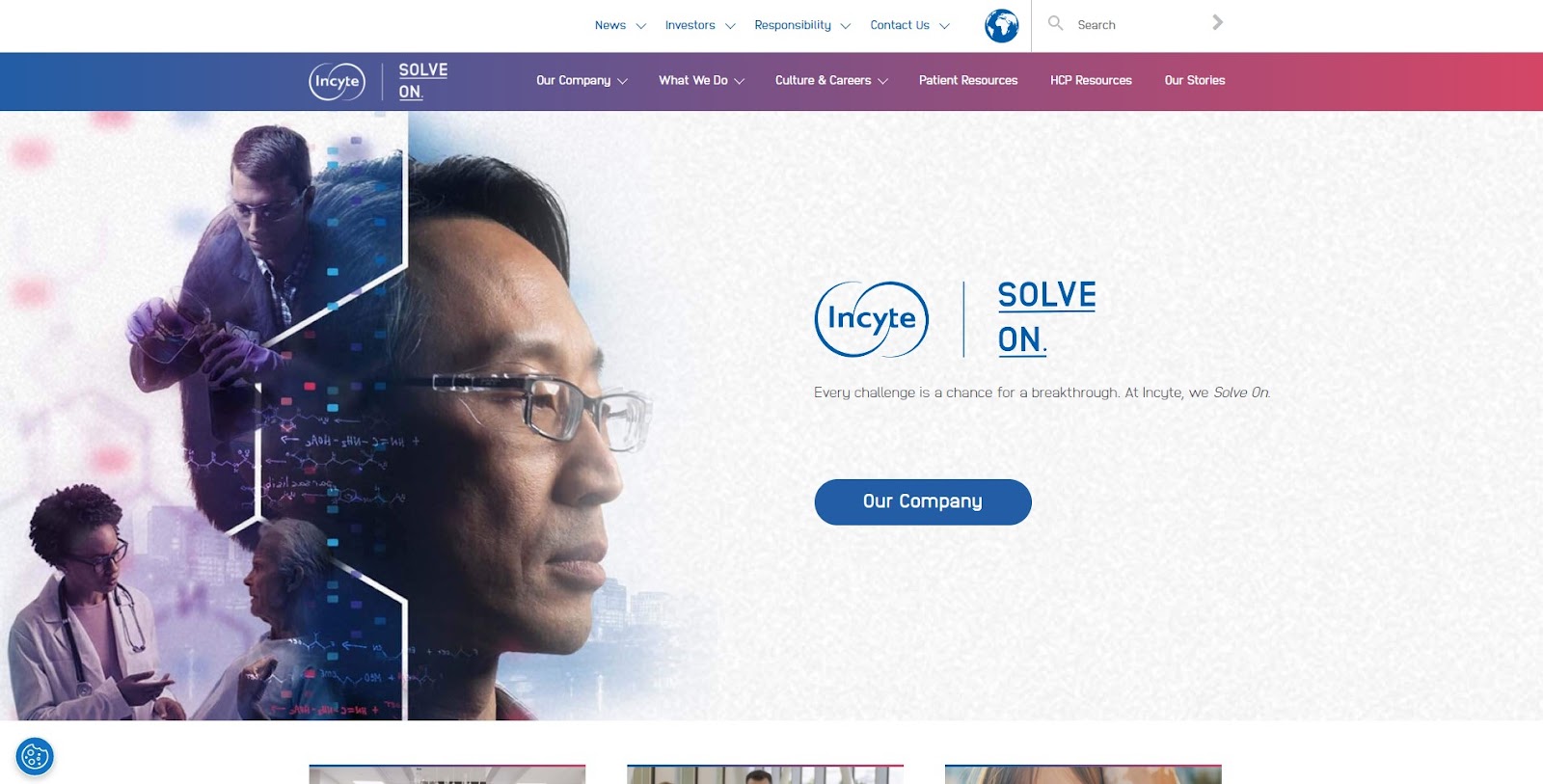
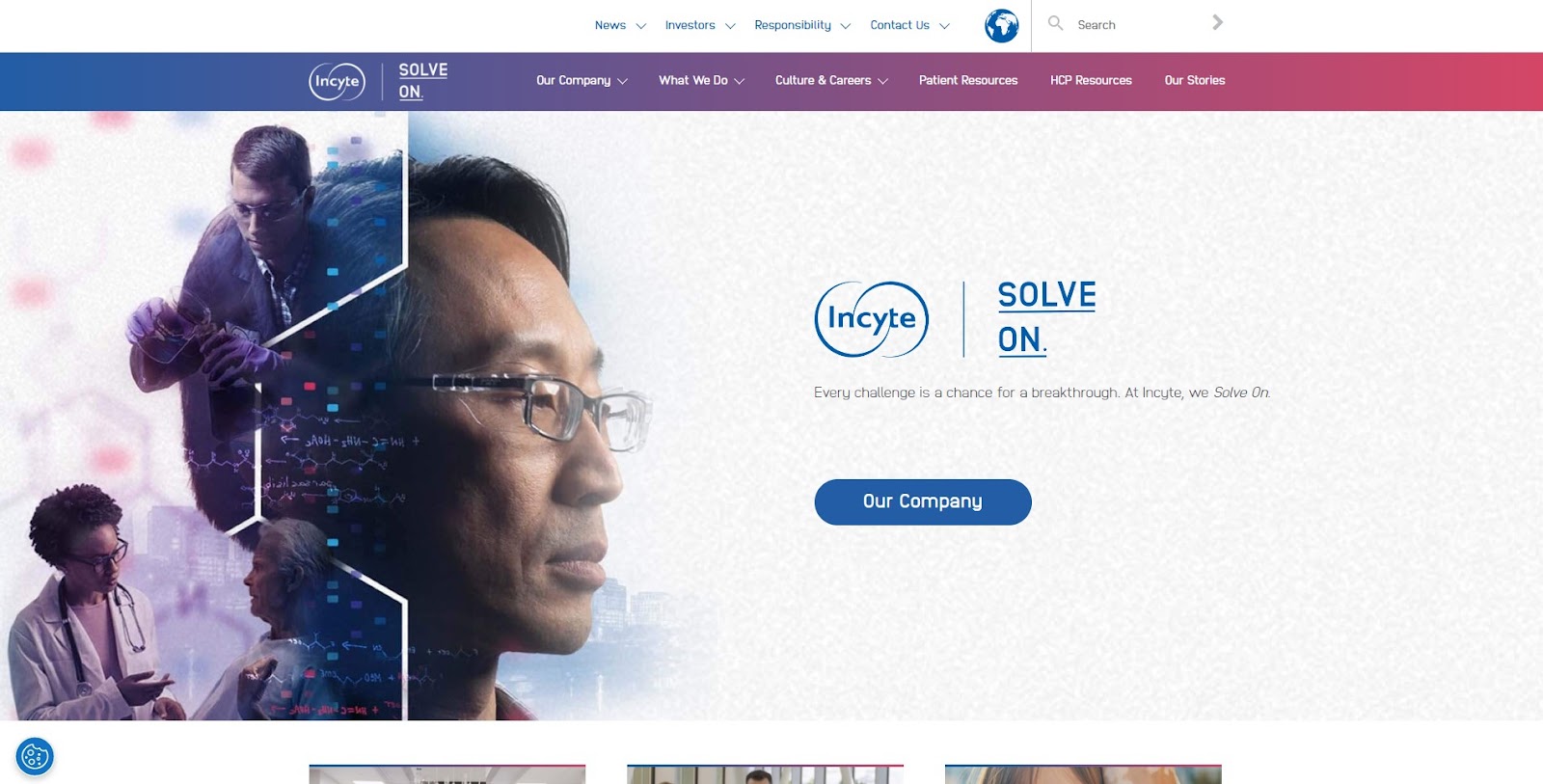
Incyte’s website showcases its focus on oncology and its commitment to developing targeted therapies for a range of cancers. Their hero image is outstanding. It almost looks like a movie poster with how well it was put together.
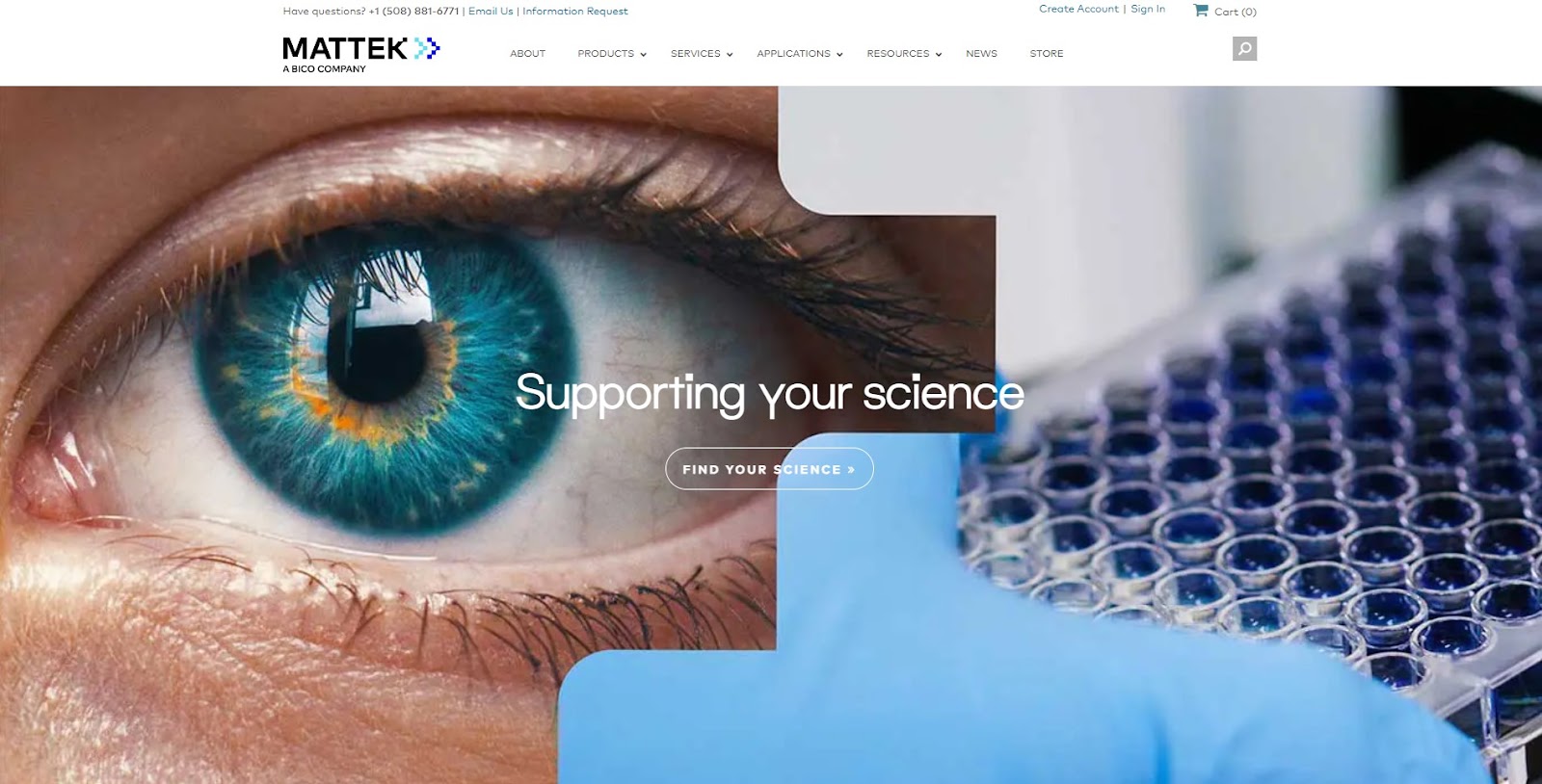
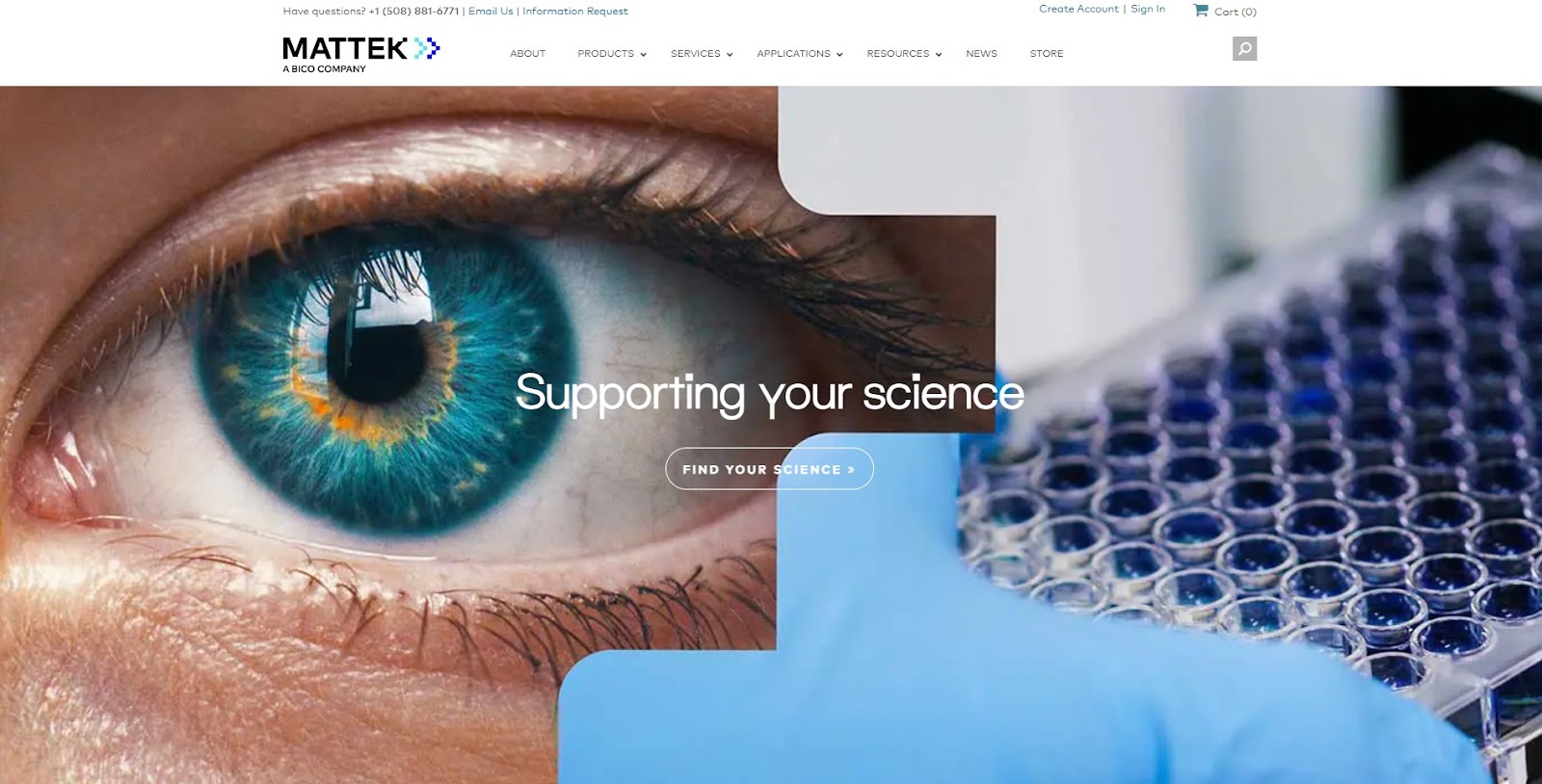
Mattek’s website showcases a professional and informative design, emphasizing its expertise in providing cutting-edge in vitro tissue models for various research applications. With an easy-to-navigate layout, they also show lots of social proof as to why they can be trusted along with gorgeous graphics.
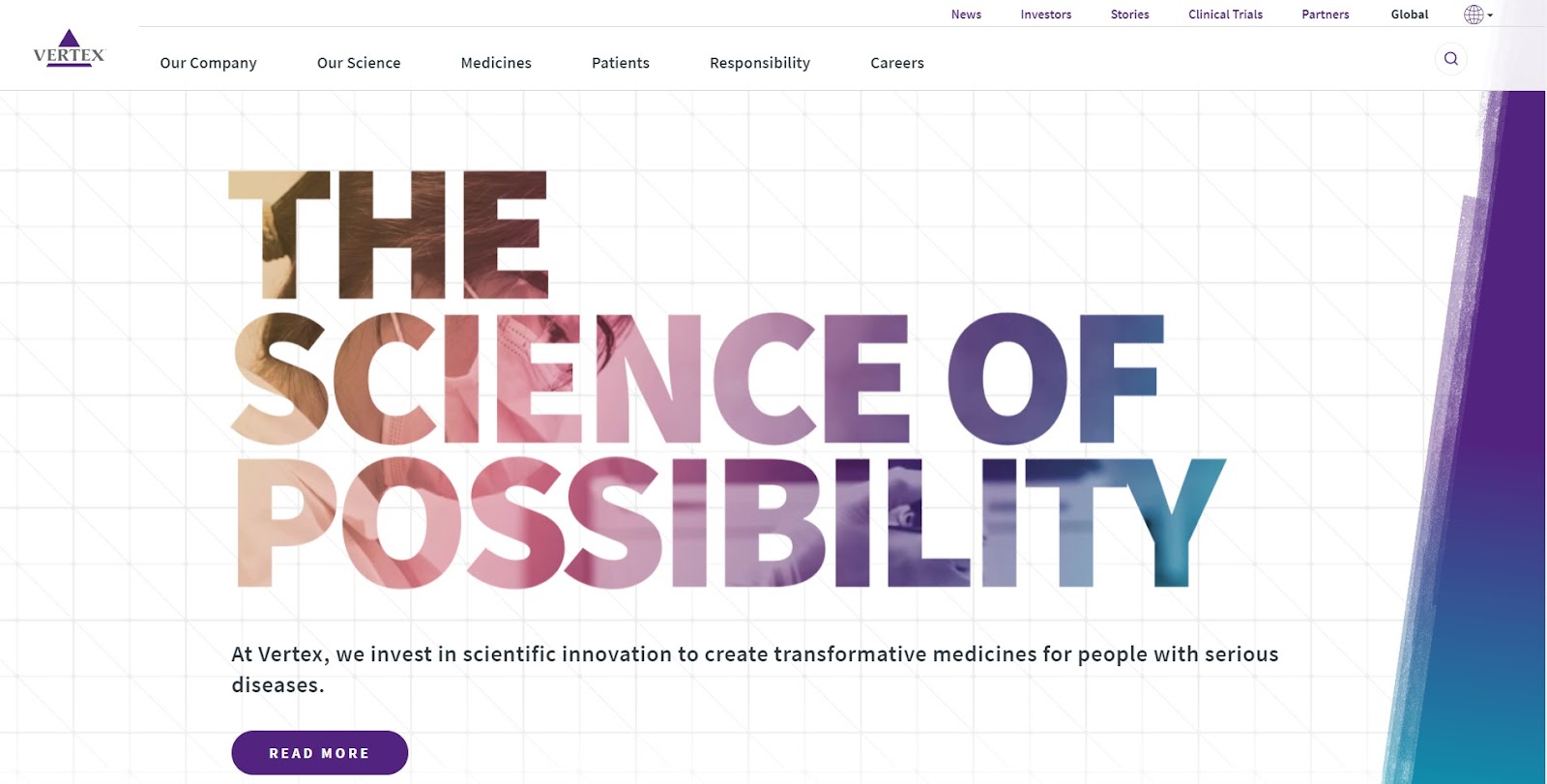
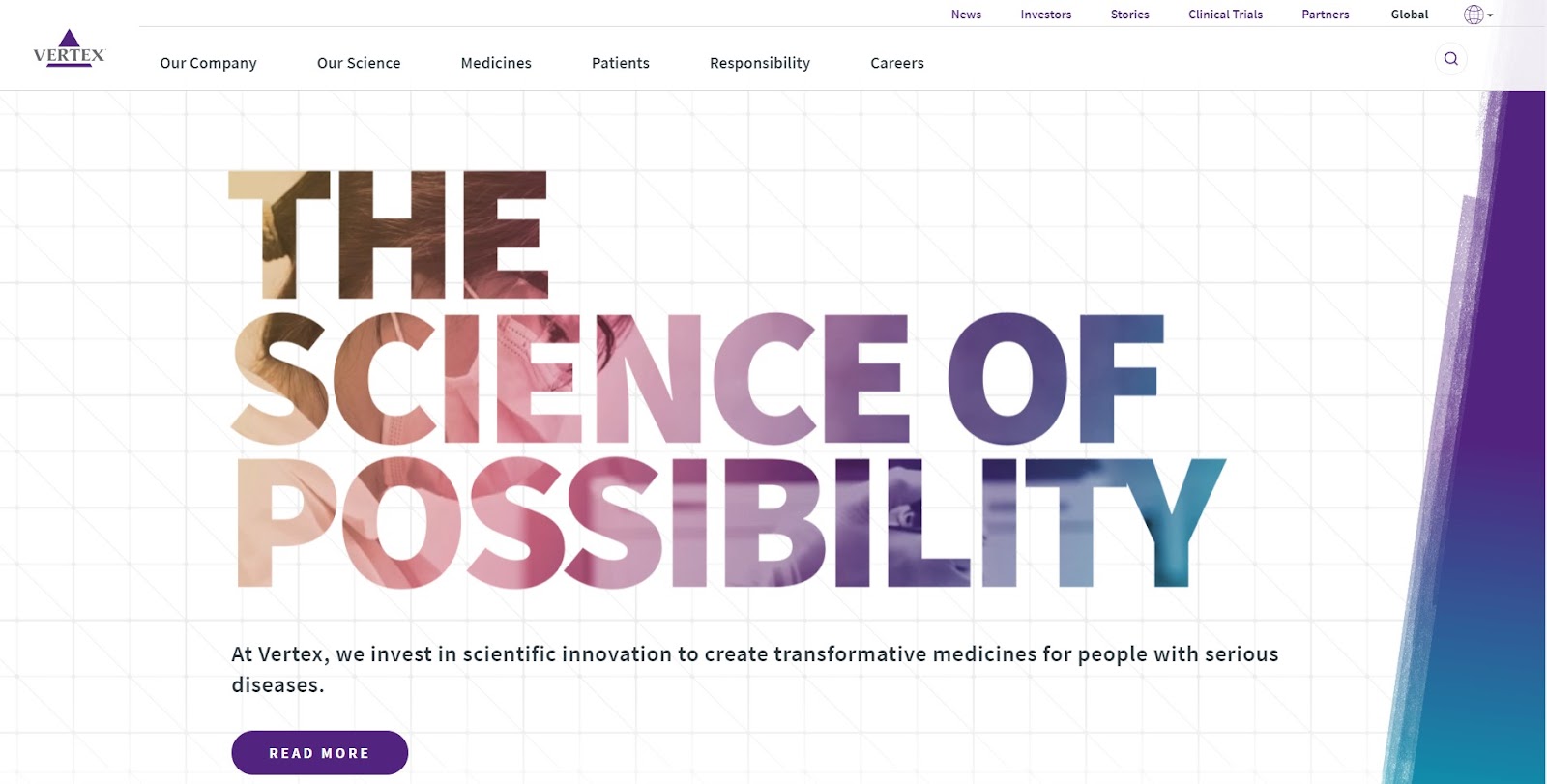
Vertex Pharmaceuticals’ website has a sleek design, emphasizing the company’s groundbreaking work in cystic fibrosis treatments and its dedication to improving patients’ lives. This website took their animation to the next level by having a video in the background of the words of their header. It is super sleek and aside from that, their entire website is easily traversable with engaging content throughout.
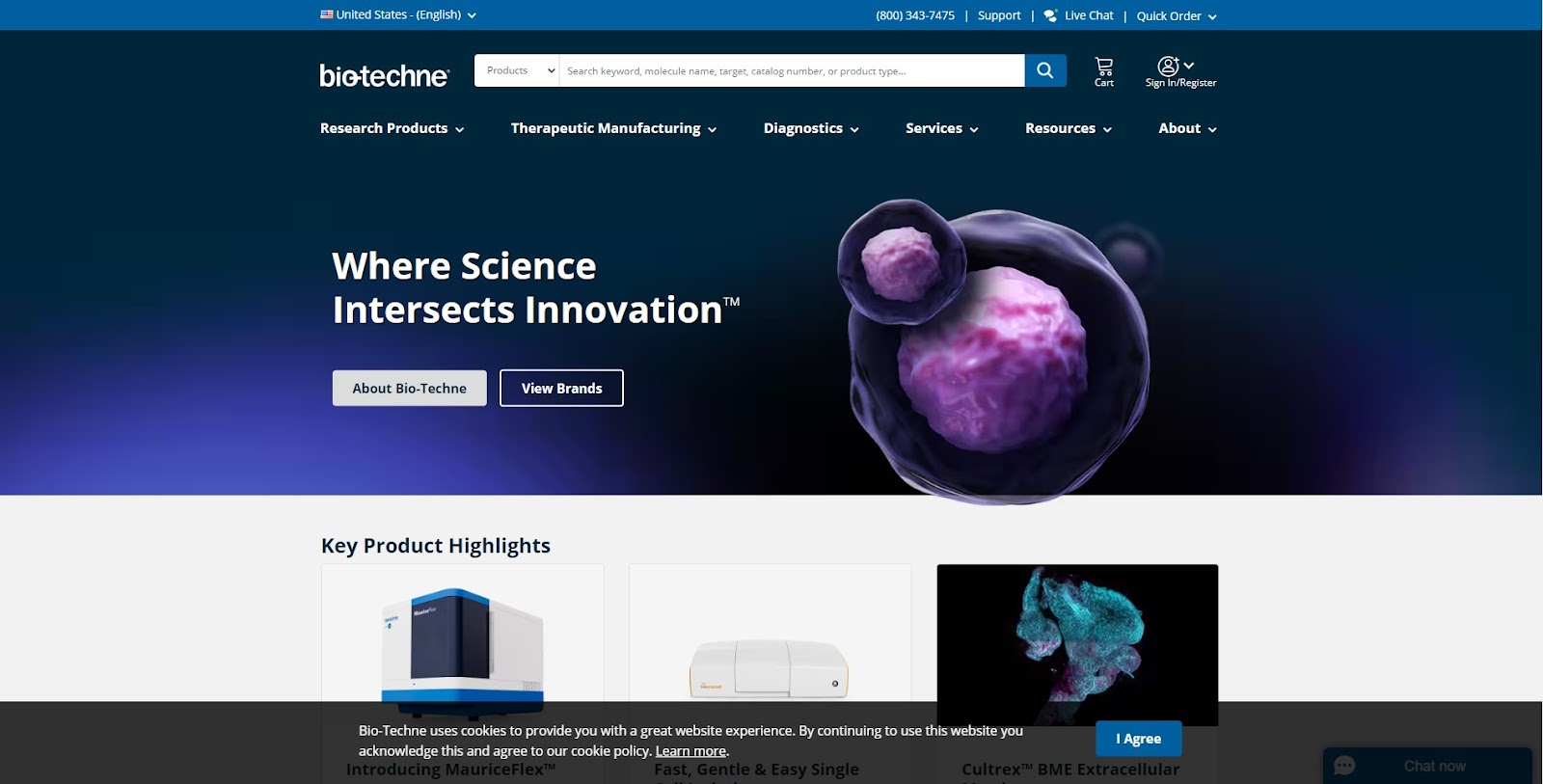
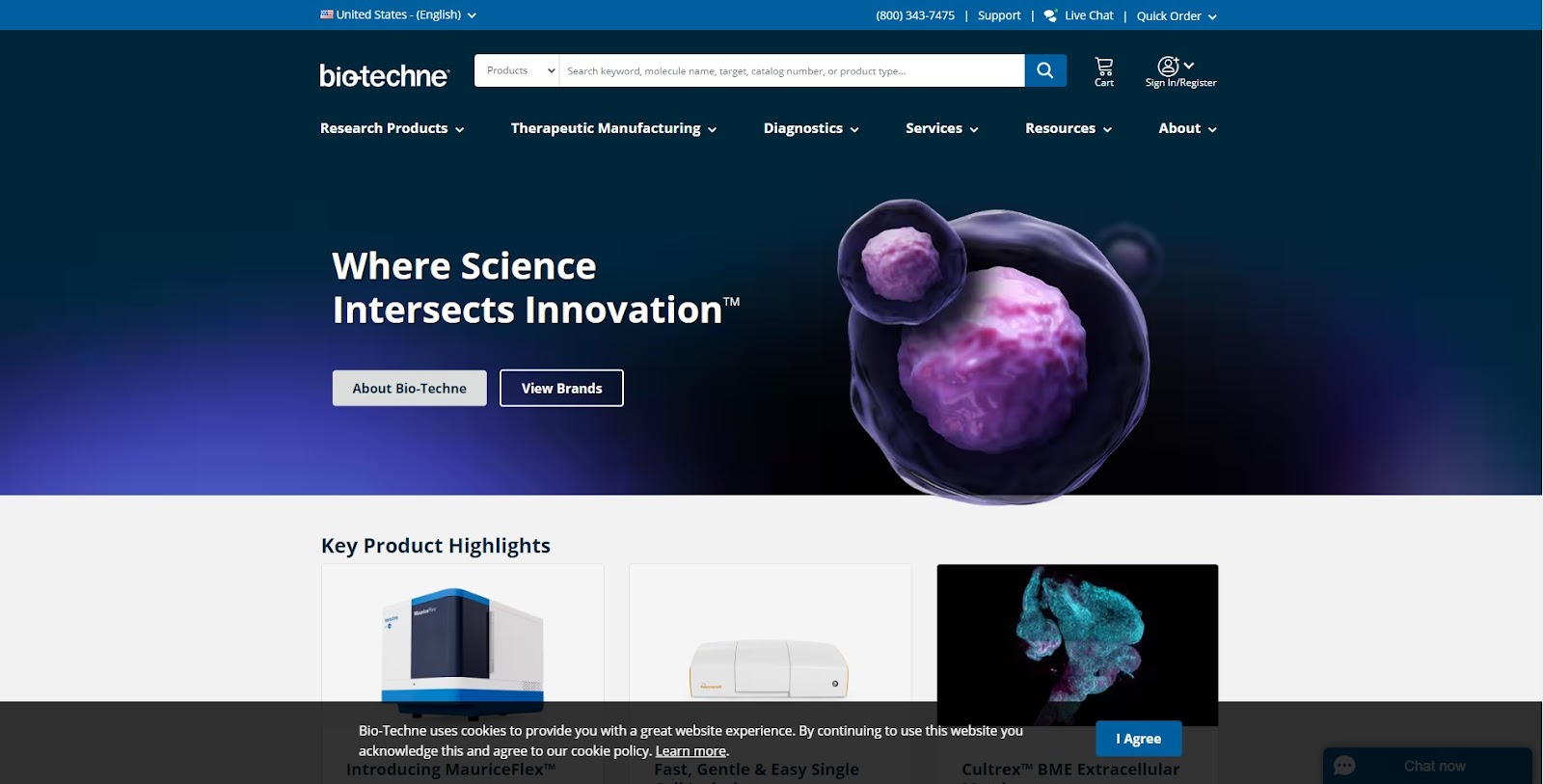
Bio-Techne’s website highlights its broad portfolio of life science research tools, including reagents, proteins, and diagnostics. Their custom images and easy-to-navigate pages make for a powerful site that can easily get you the information you are looking for.
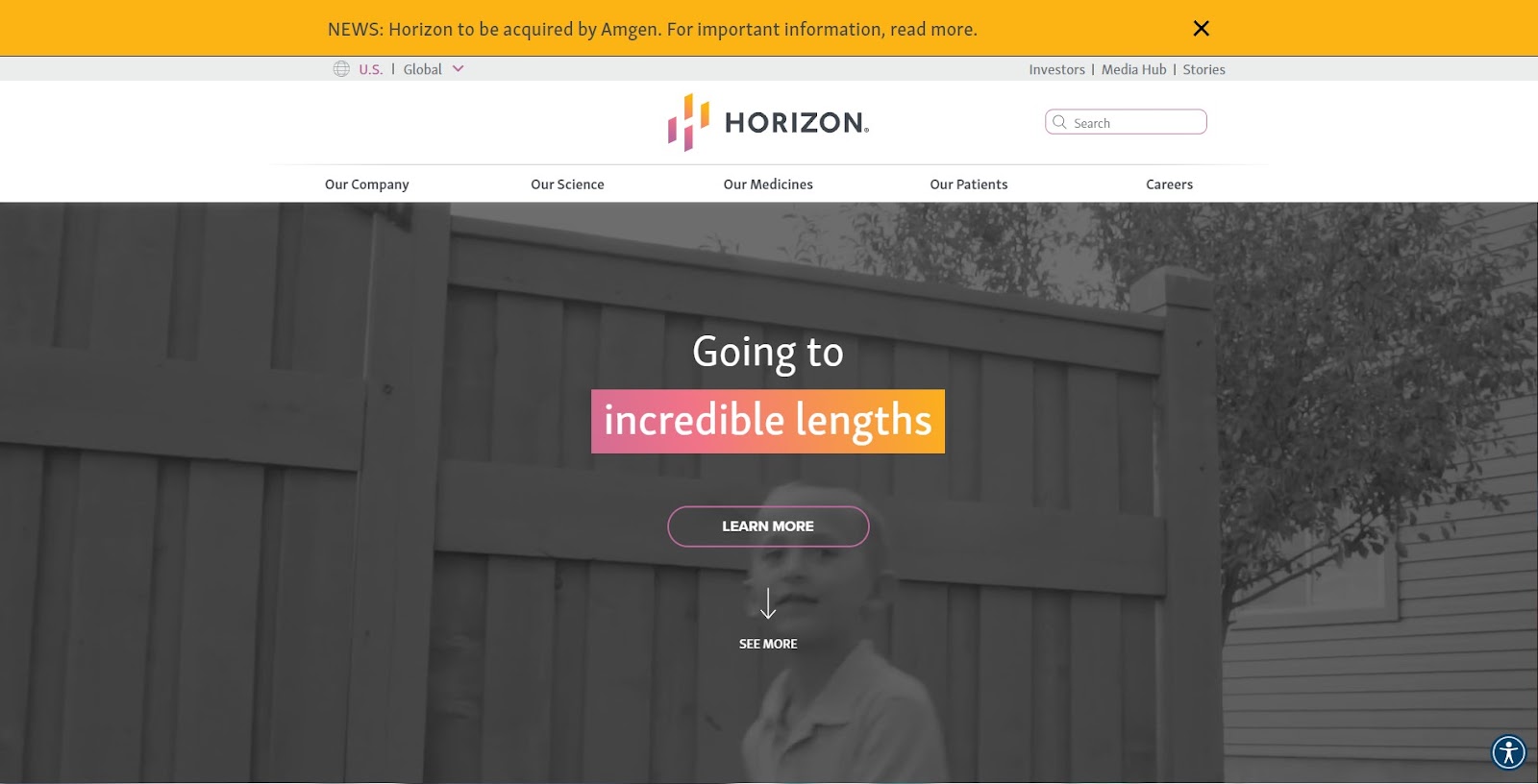
Horizon Therapeutics’ website highlights its dedication to rare diseases and its efforts in developing innovative treatments for patients with unmet needs. Their website has numerous videos and infographics that help to raise the quality of their site.
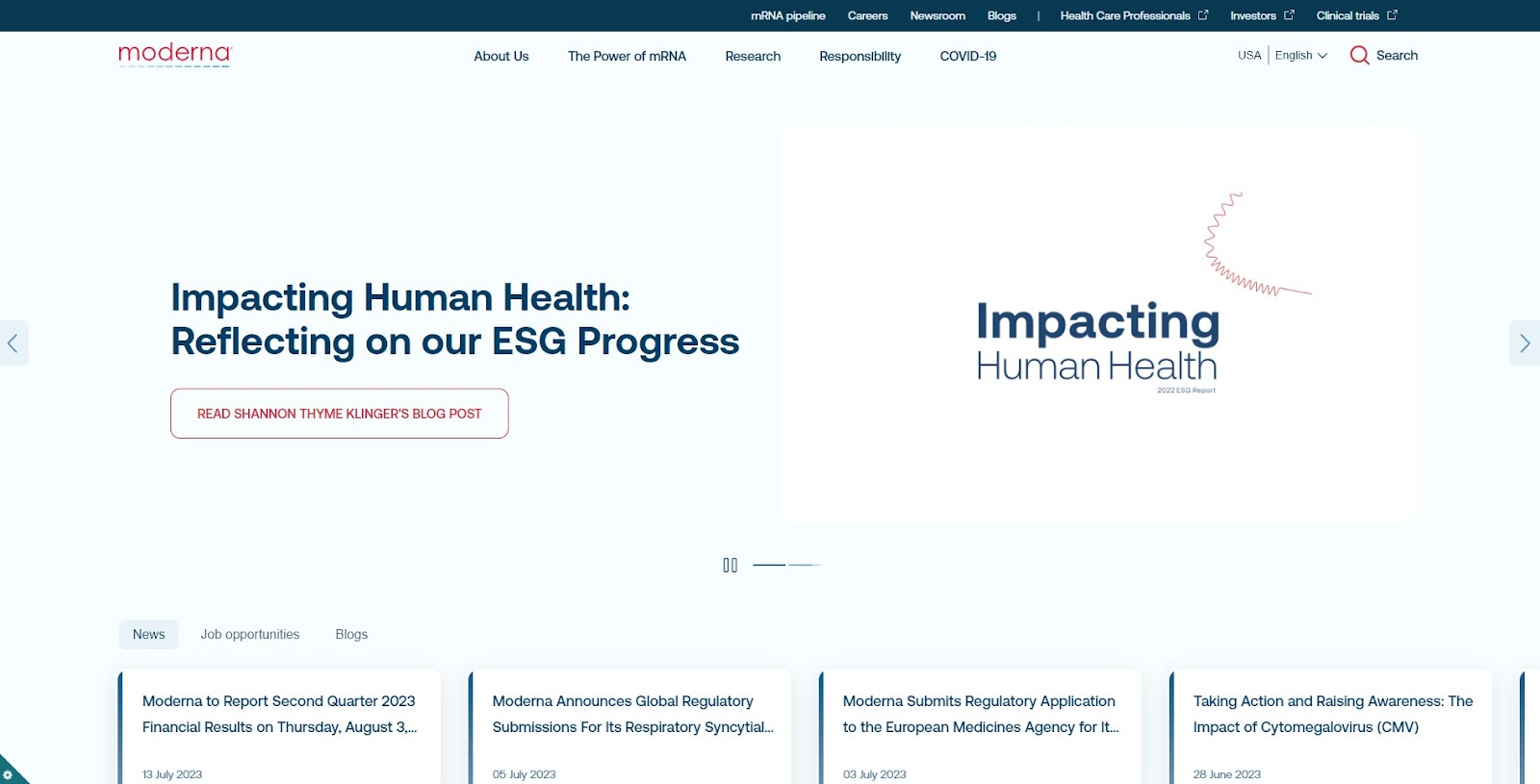
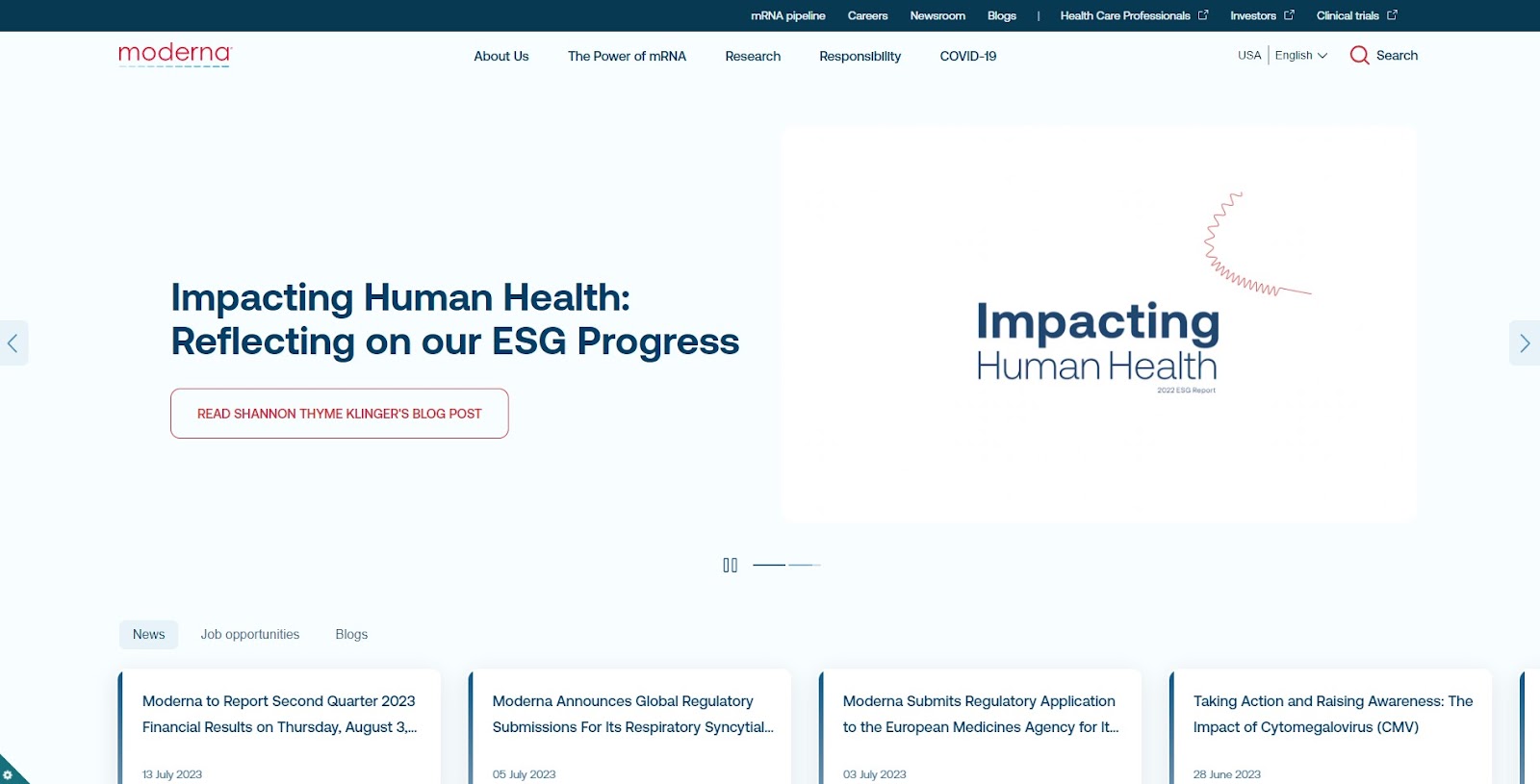
Moderna’s website features a clean and modern design, showcasing the company’s pioneering mRNA technology and its contributions to vaccine development. Moderna does a great job of showing its presence by having a simple, yet extremely high-quality website with multiple infographics and dynamic pages.
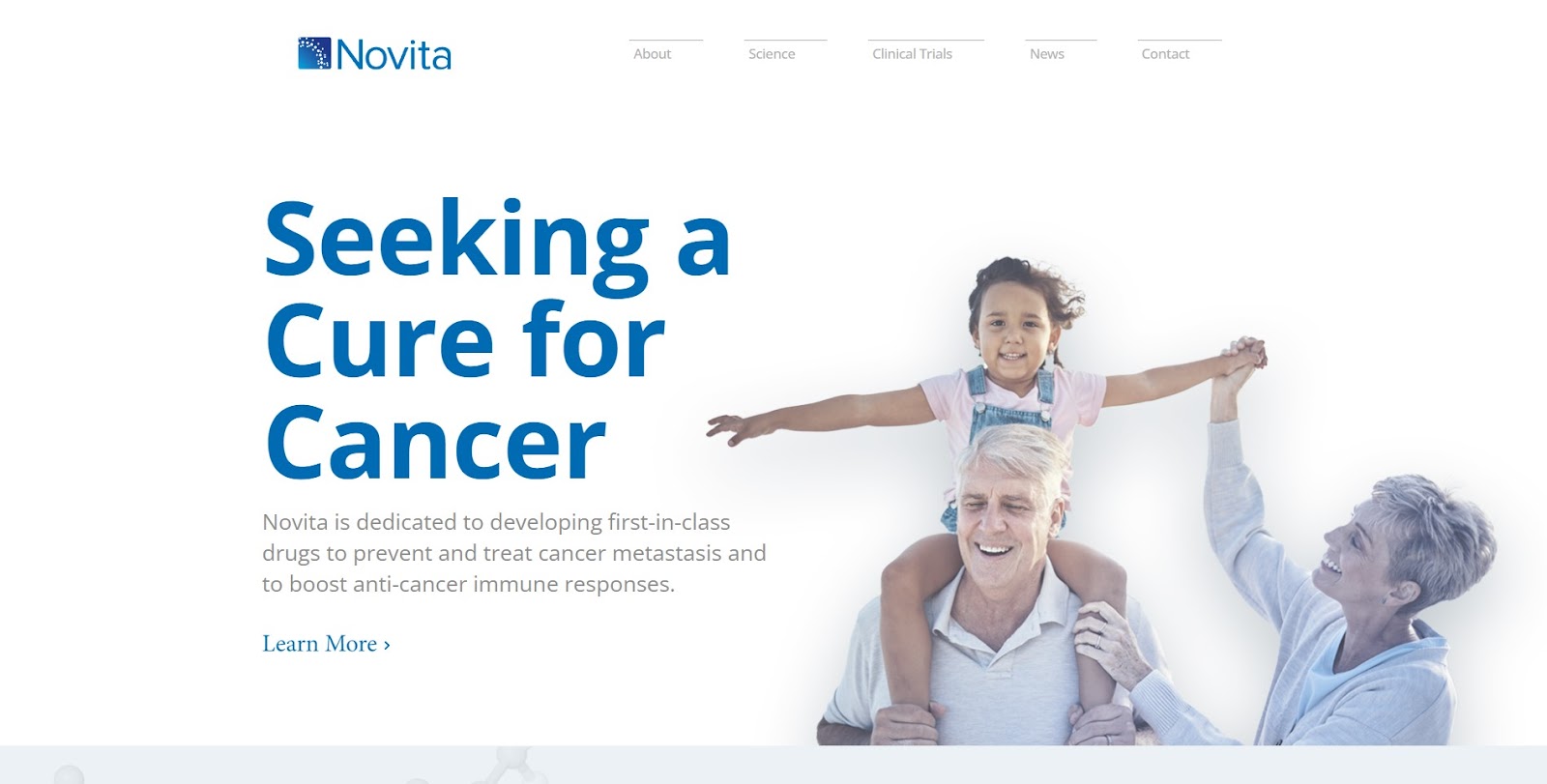
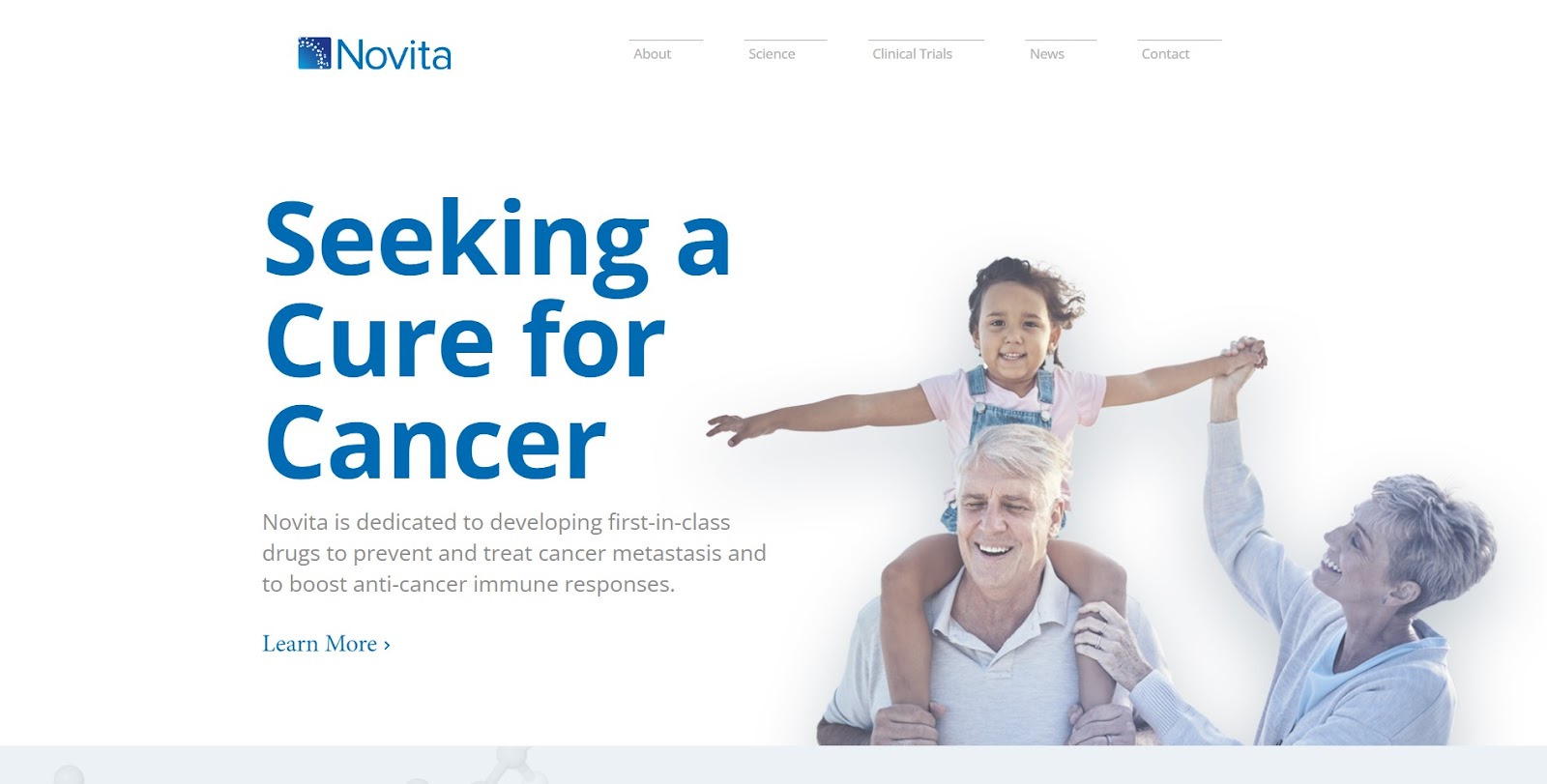
Novita has an aesthetically polished and informative website dedicated to advancing the fight against cancer, offering comprehensive insights into cutting-edge research and efforts to find a cure. Their graphics are great, they have 3D animations, aspects of the page that move in and out as you scroll, slightly varying shades of blue to distinguish information, and more. Novita does a great job at making a “simple” website look elegant.
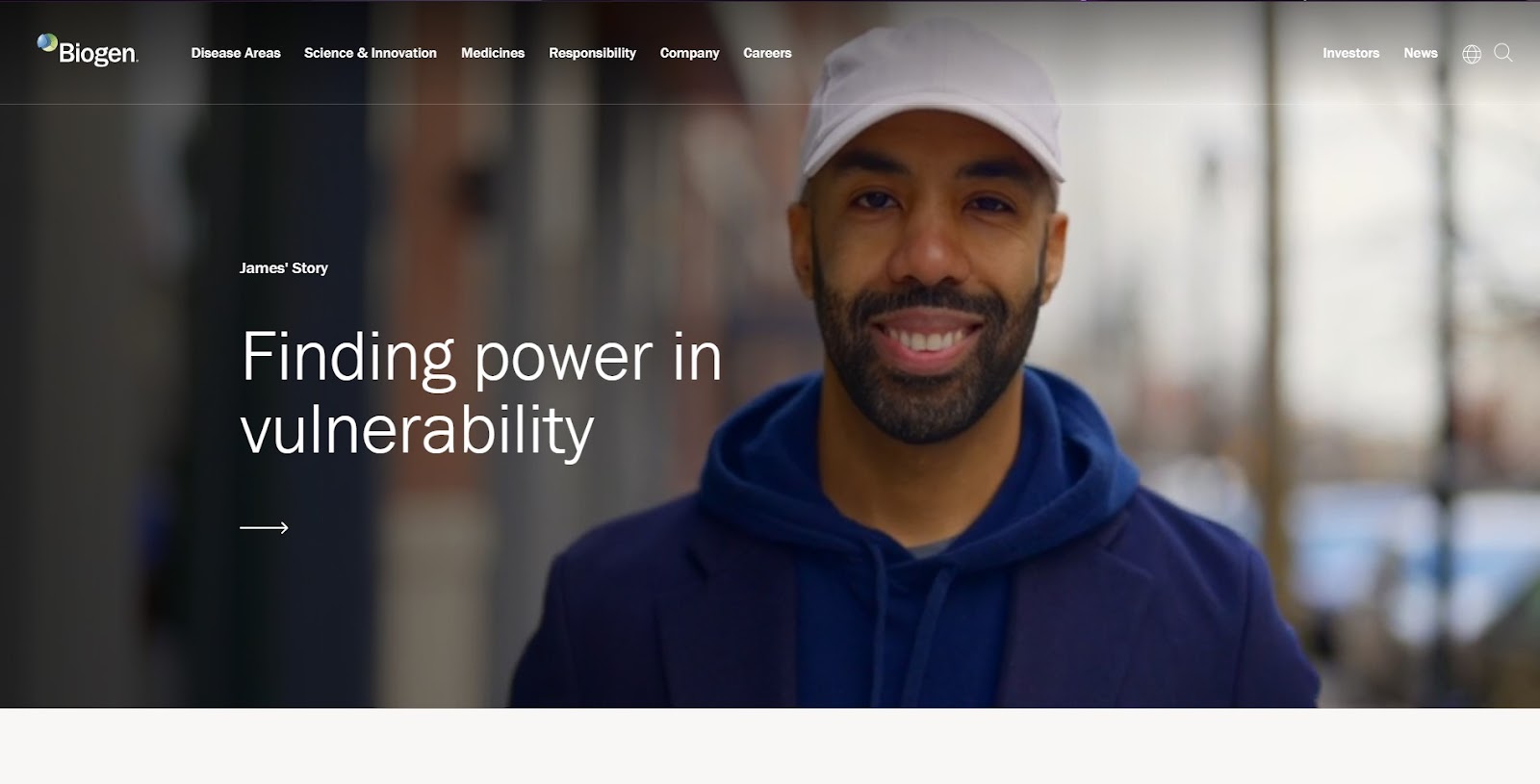
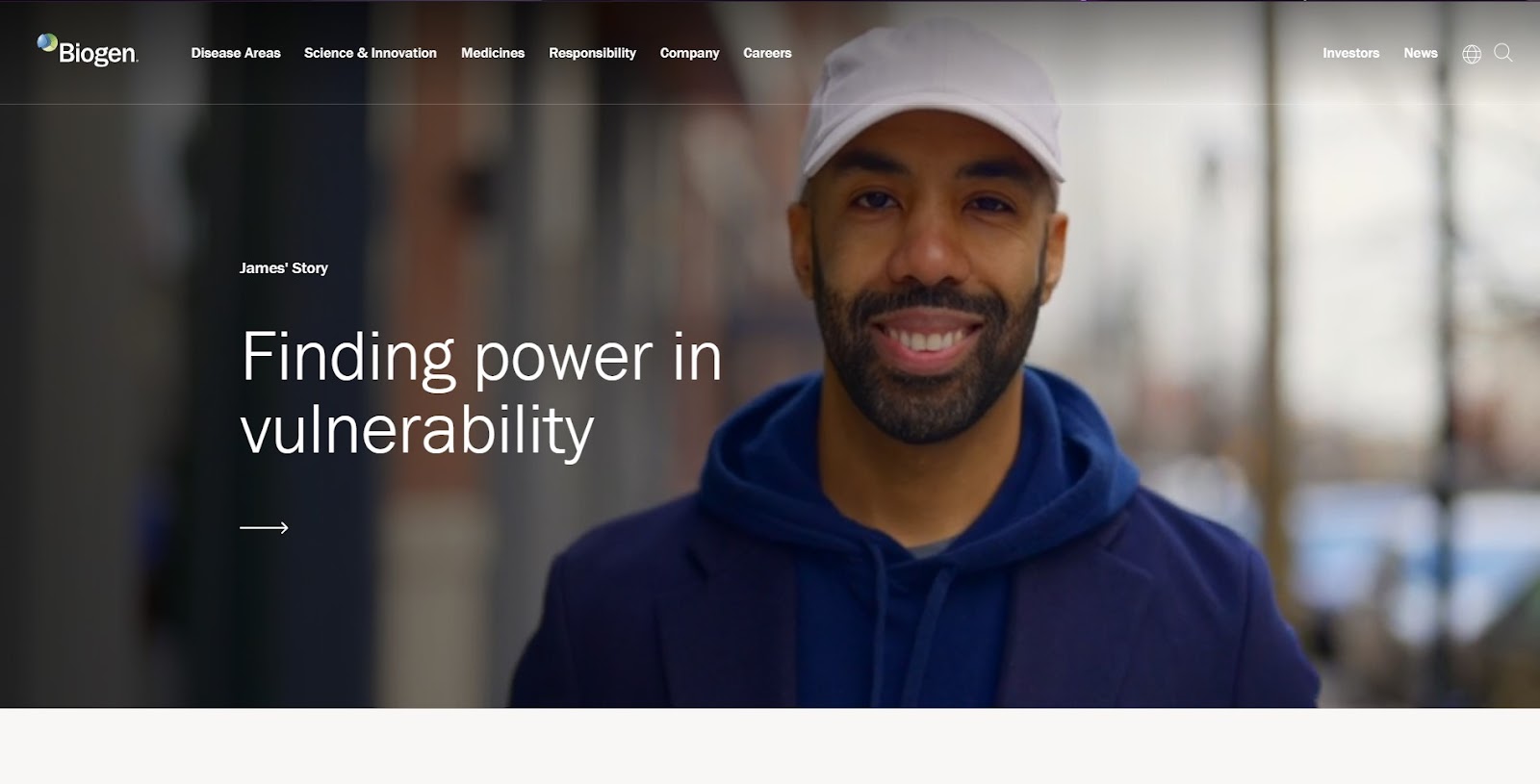
Biogen’s website stands out with its user-centric approach, featuring interactive tools, patient resources, and engaging stories of individuals benefiting from their therapies. They have a very basic yet convincing video that can show their entire message all in the facial expressions of the main protagonist.
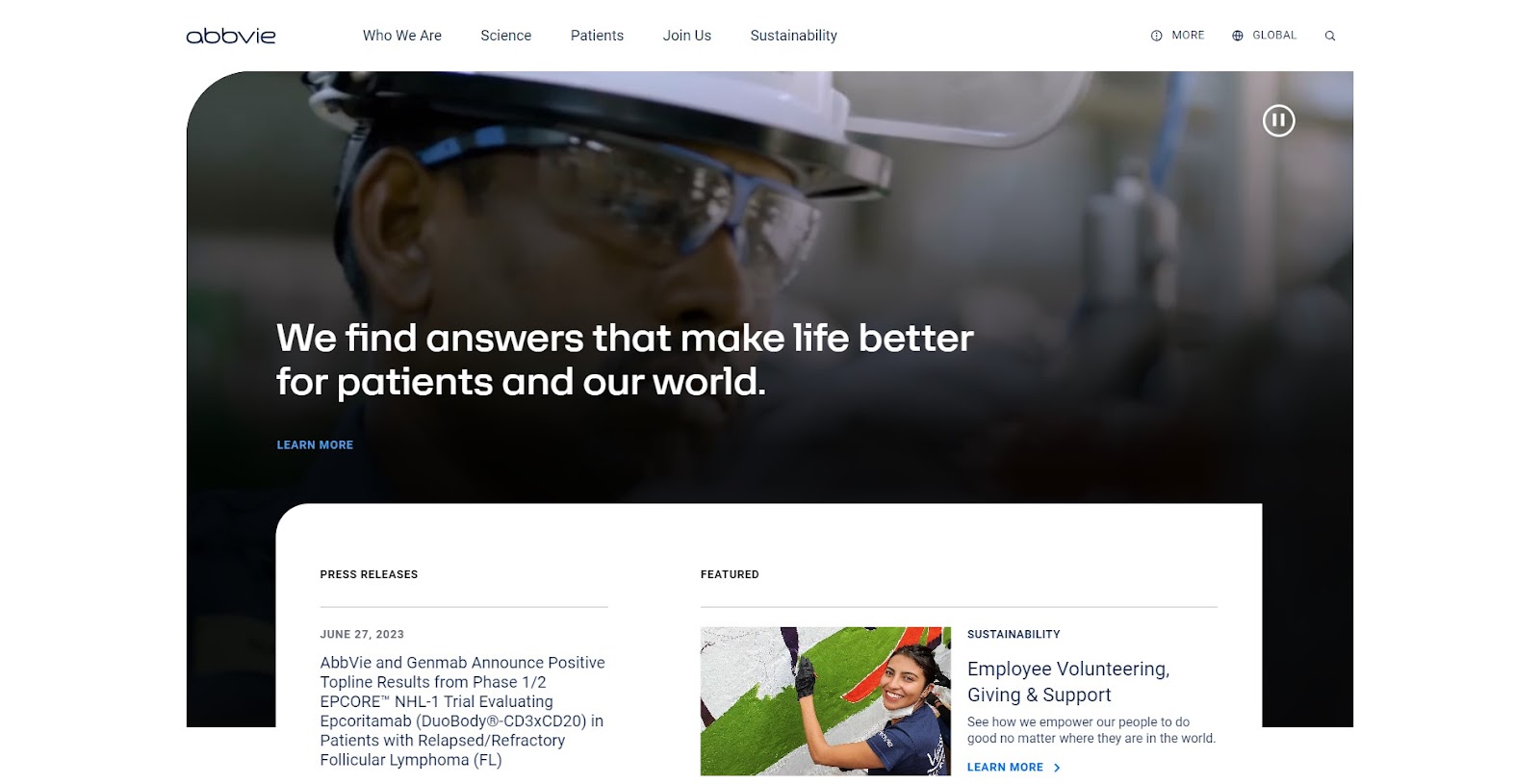
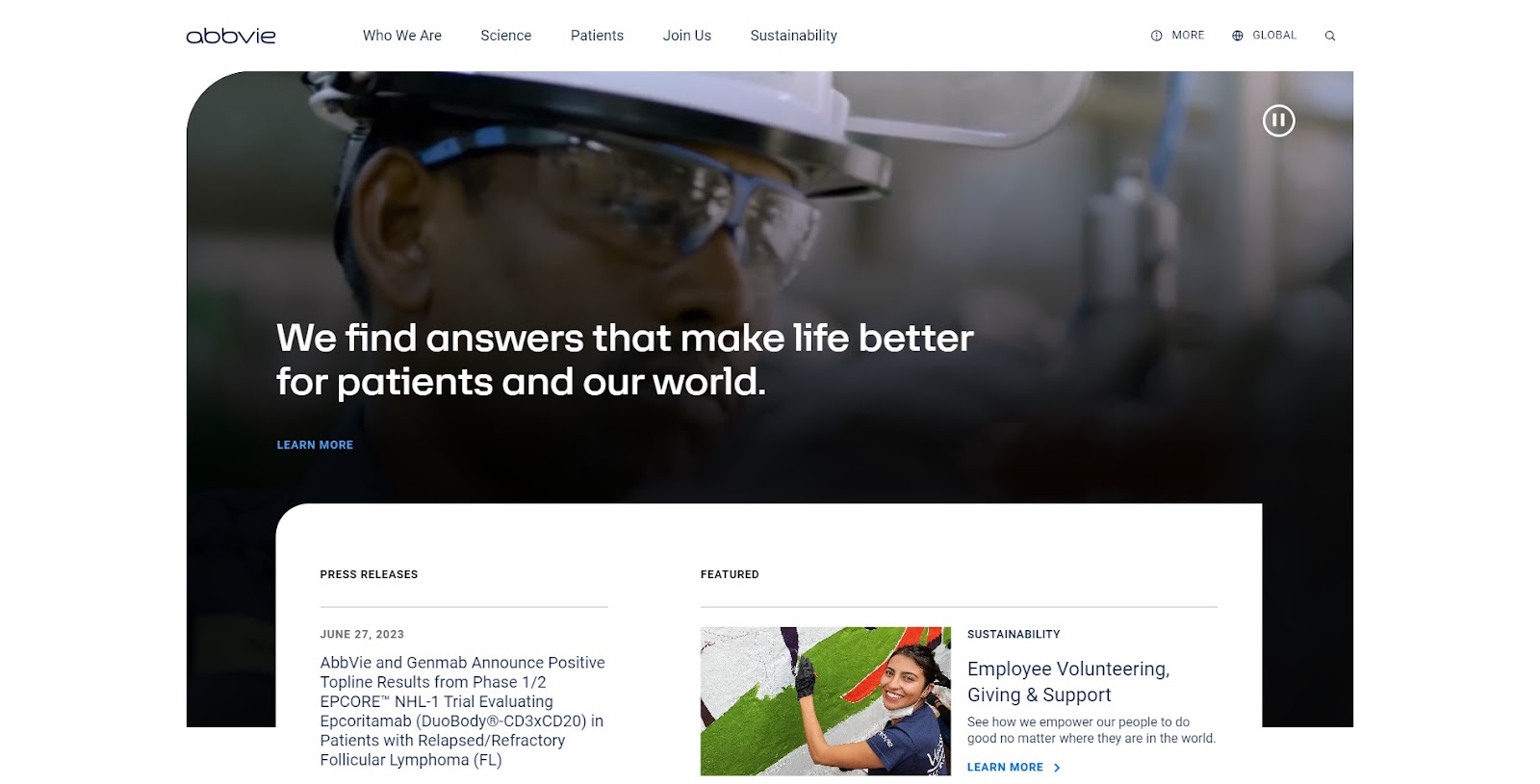
AbbVie’s website provides visitors with insights into its diverse portfolio of pharmaceutical products, with a strong focus on research and development for various therapeutic areas. They have a beautiful video in the background of the site and dynamic pages that keep you engaged throughout.
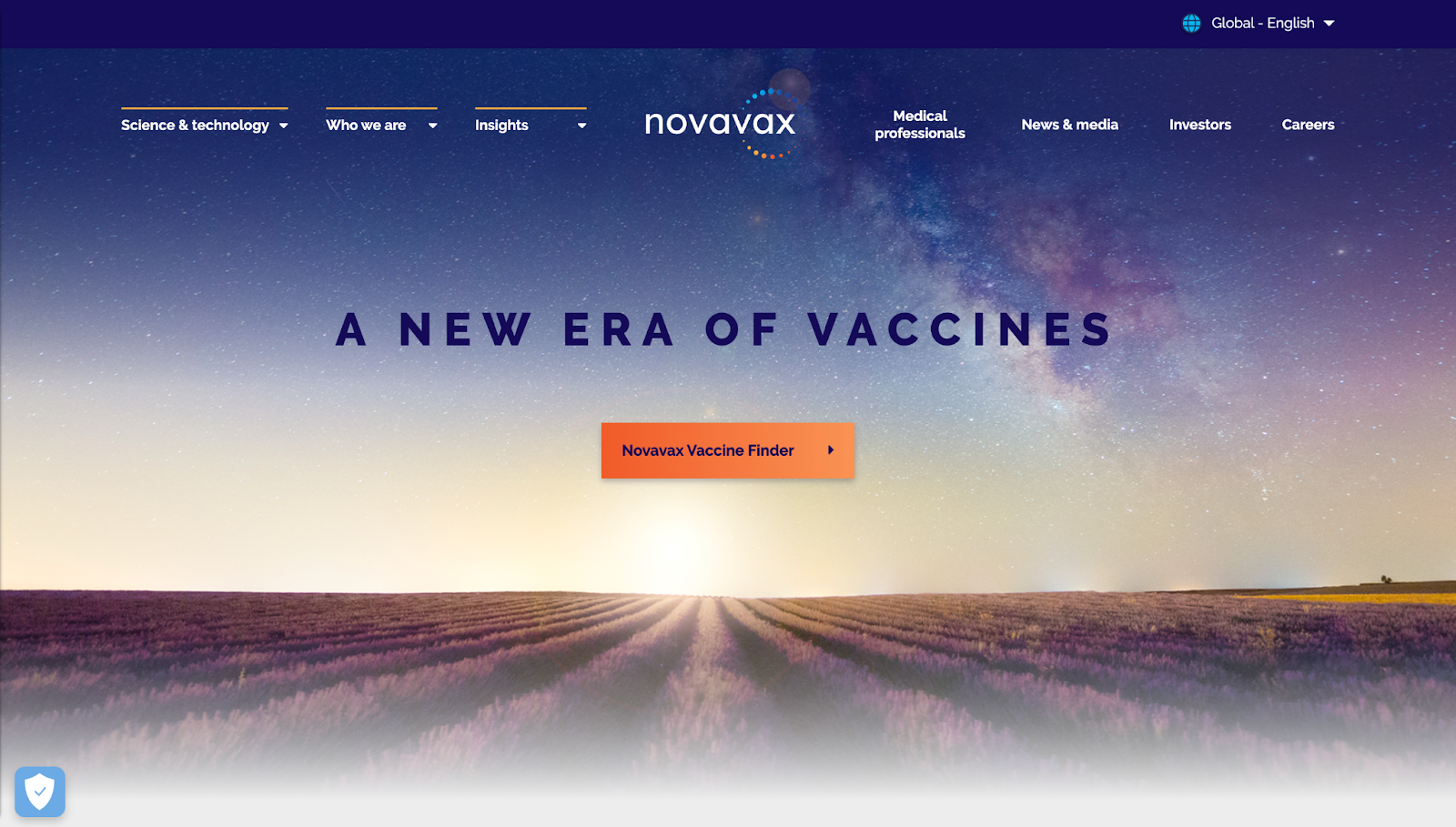
Novavax sets itself apart with engaging visuals that captivate visitors. Through innovative infographics, custom graphic design, and visually striking representations of their vaccine research, Novavax’s website and promotional materials effectively communicate complex scientific concepts, fostering an interactive and immersive experience for users, from scientists to the general public.
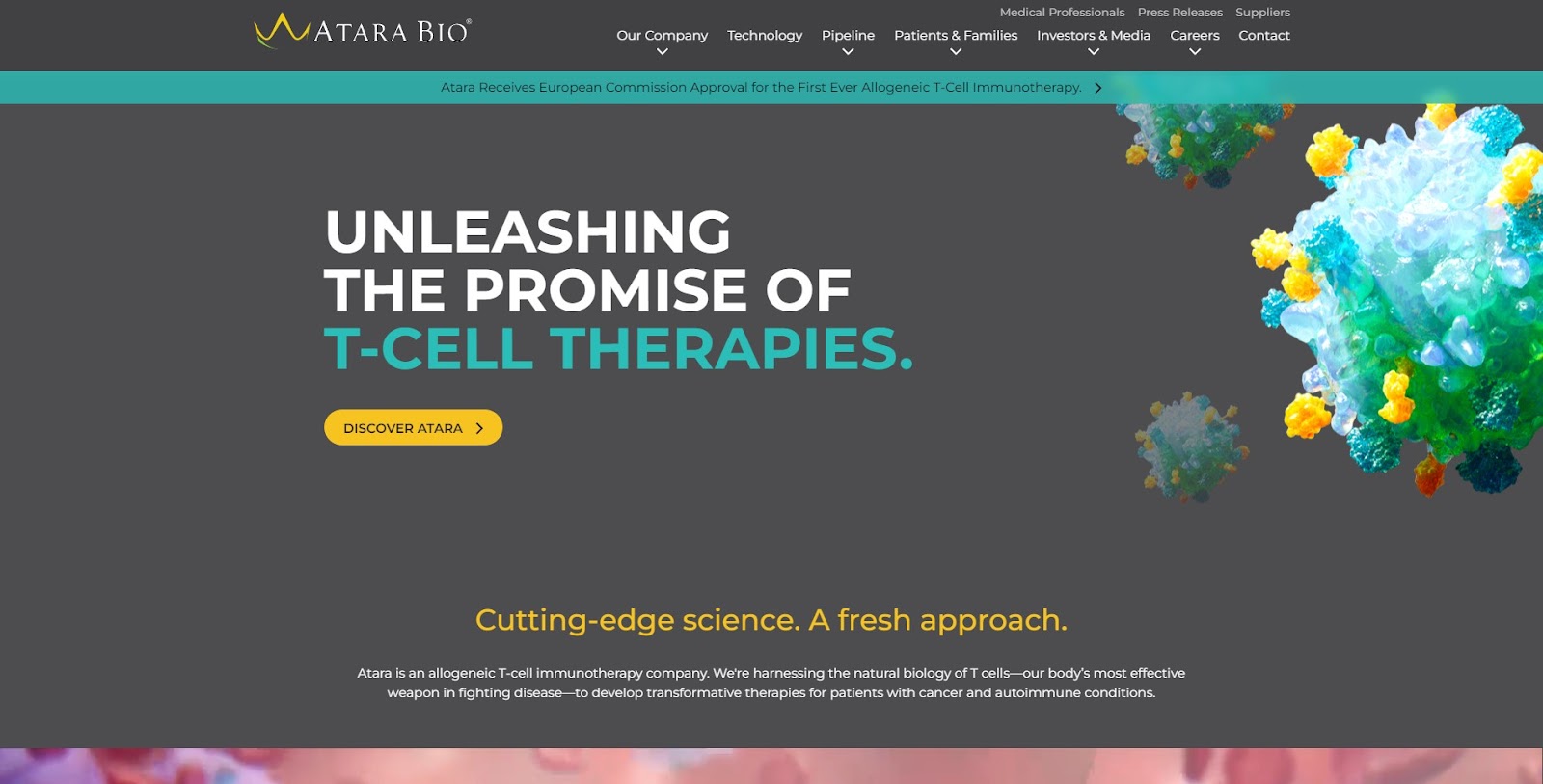
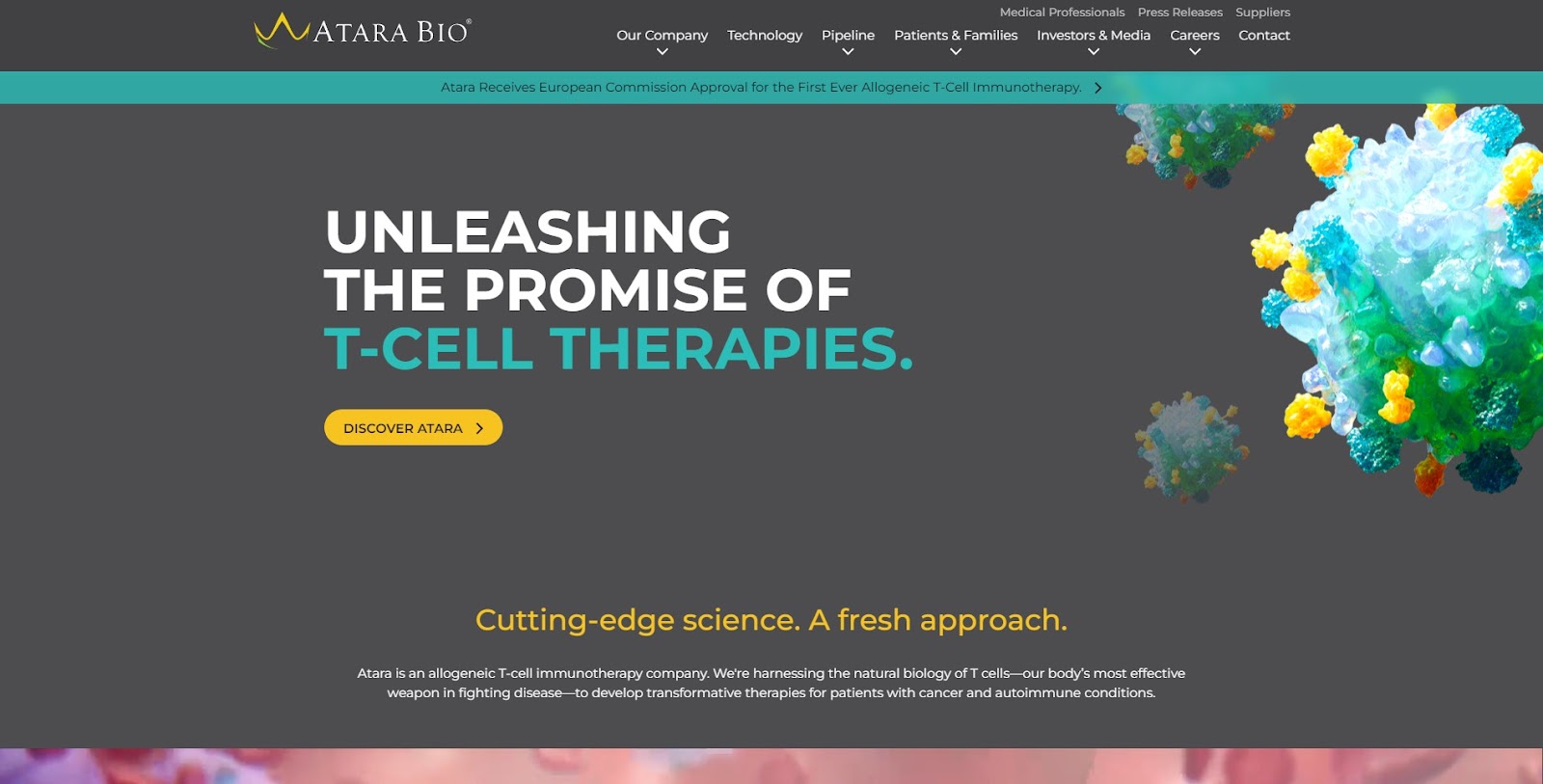
Atara Biotherapeutics’ website showcases its focus on T-cell immunotherapy for patients with cancer and autoimmune diseases. Their website’s color scheme is very unique and it also aligns with the custom graphics that they have on the sides. The website was clearly very well thought out.
Qiagen’s website features its expertise in molecular diagnostics and sample technologies, contributing to advancements in life science research and healthcare. Their website is easy to navigate and visually appealing. Simple and to the point, yet custom enough to stand out amongst others.
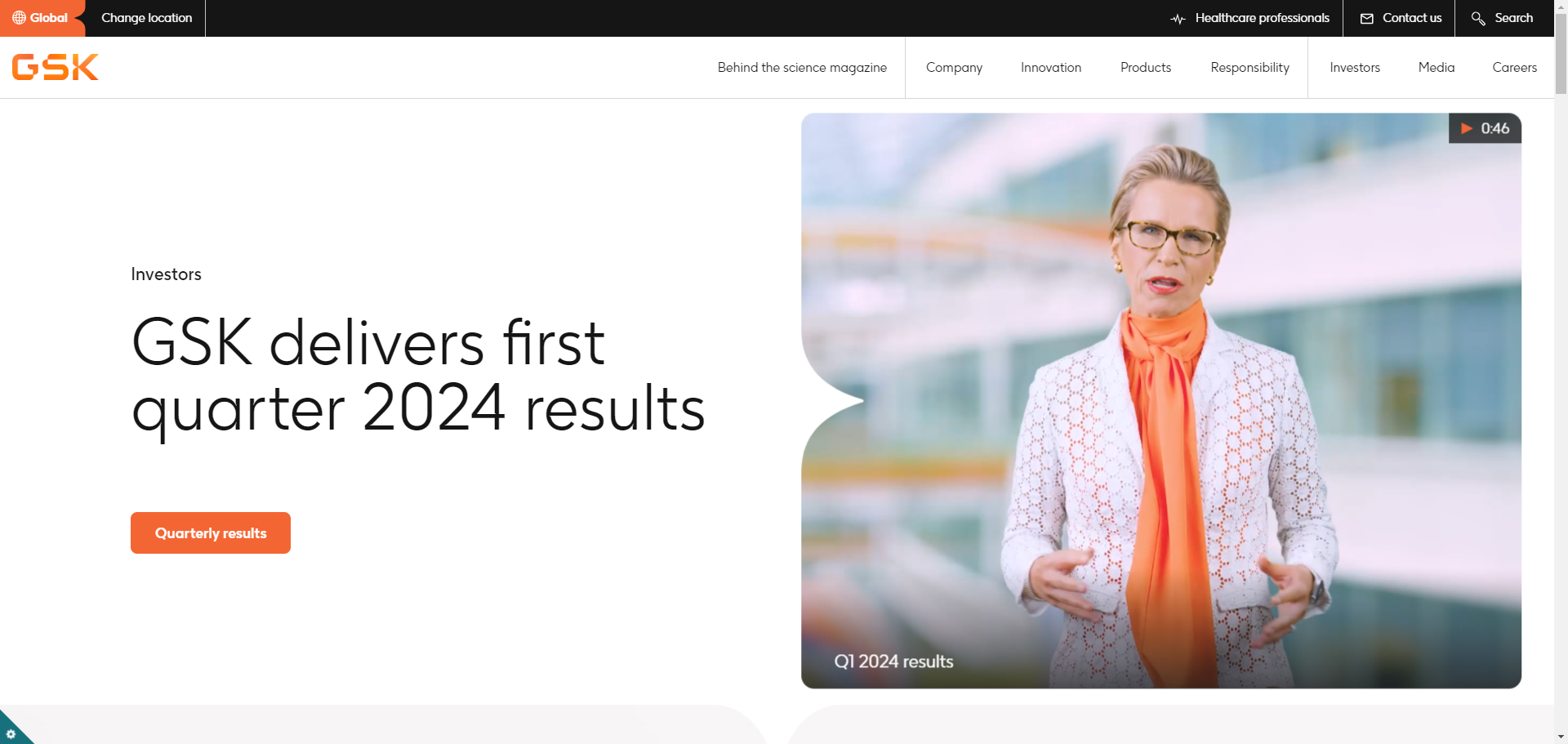
The GSK site was recently updated and sets the tone for what has become the standard look for big pharma websites. A focus on the end-user of their products, patients, rather than HCPs or the drugs themselves. The GSK site makes great use of subtly tying in characteristics from its logo into the design, using lots of visuals and story-telling, and tastefully incorporating the brand’s orange into the site.
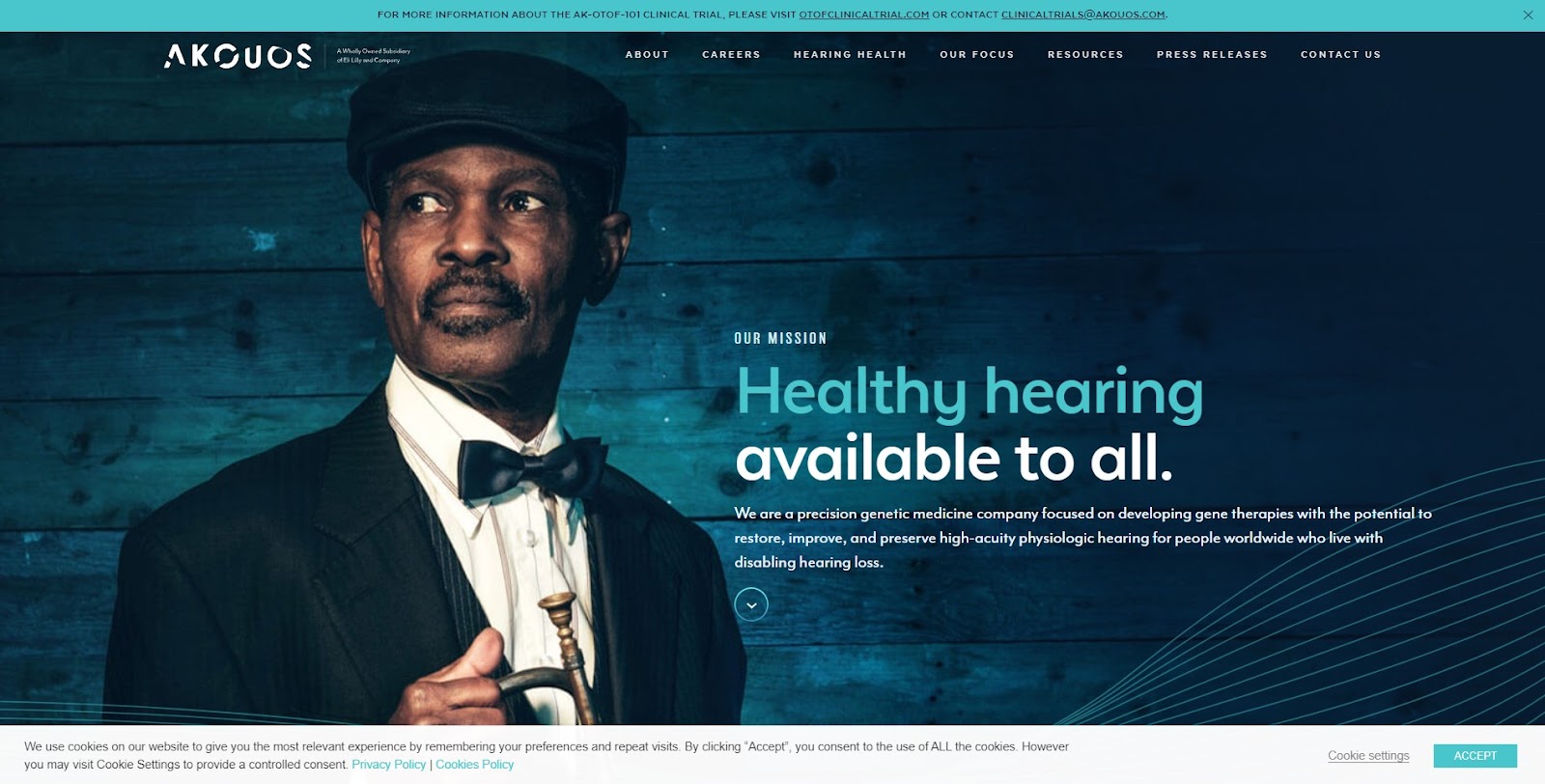
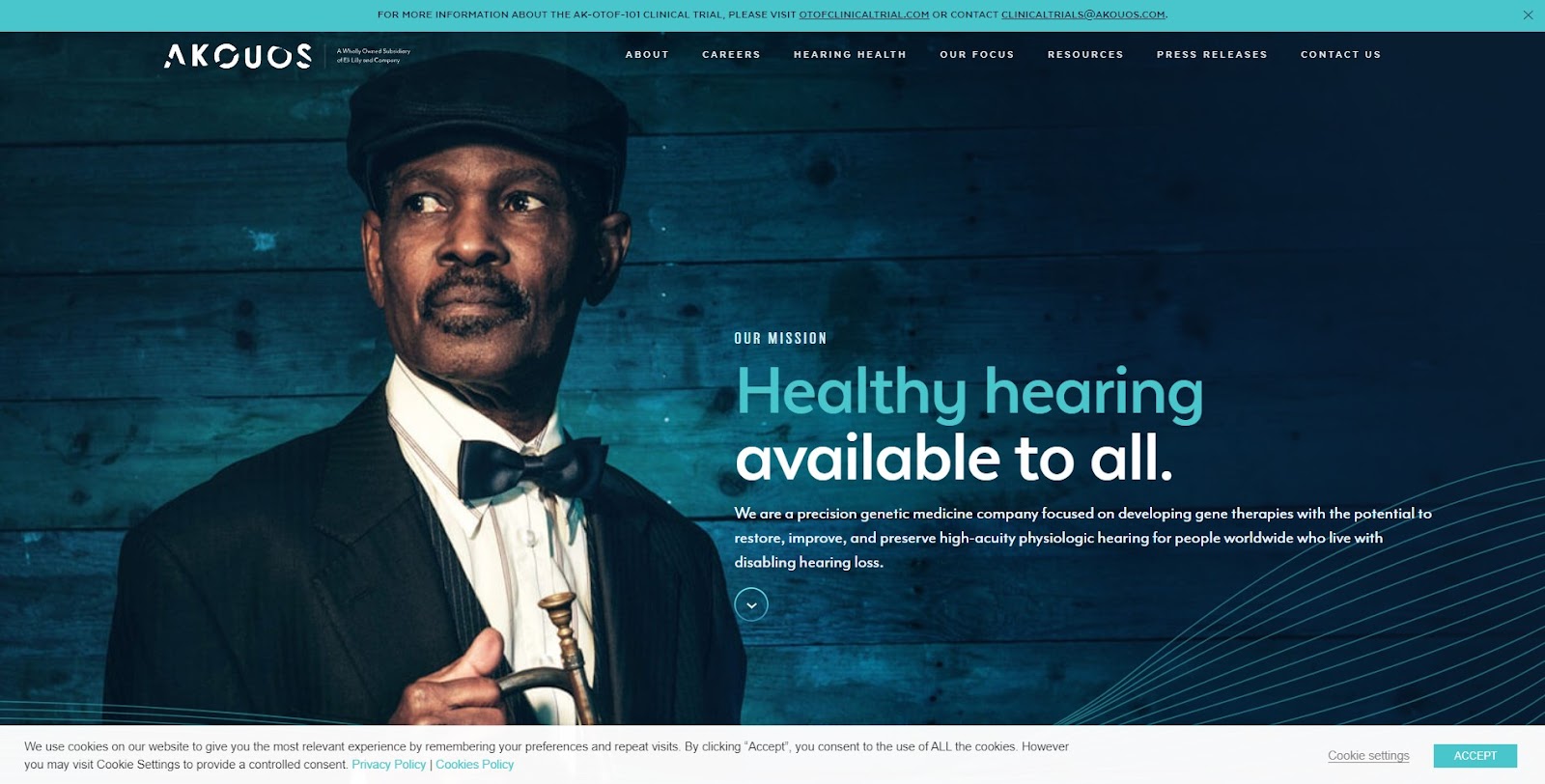
Akouos excels at providing a user-friendly website with clear and engaging content about gene therapies for hearing loss, updated with the latest research and clinical trial information. Their website is also very uniform, with the same few colors used throughout, making everything seem together as one which makes it easy for the eyes to navigate through.
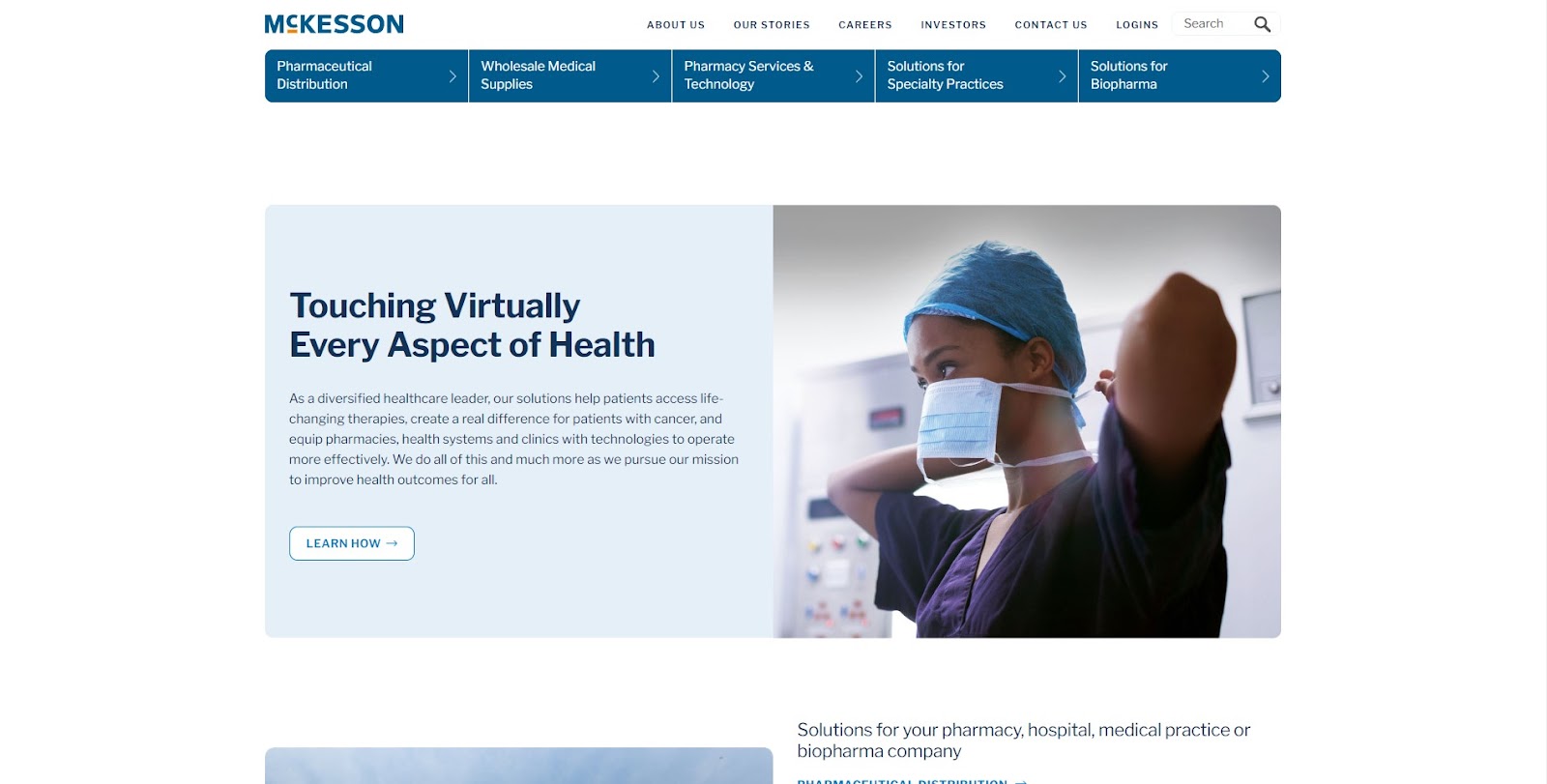
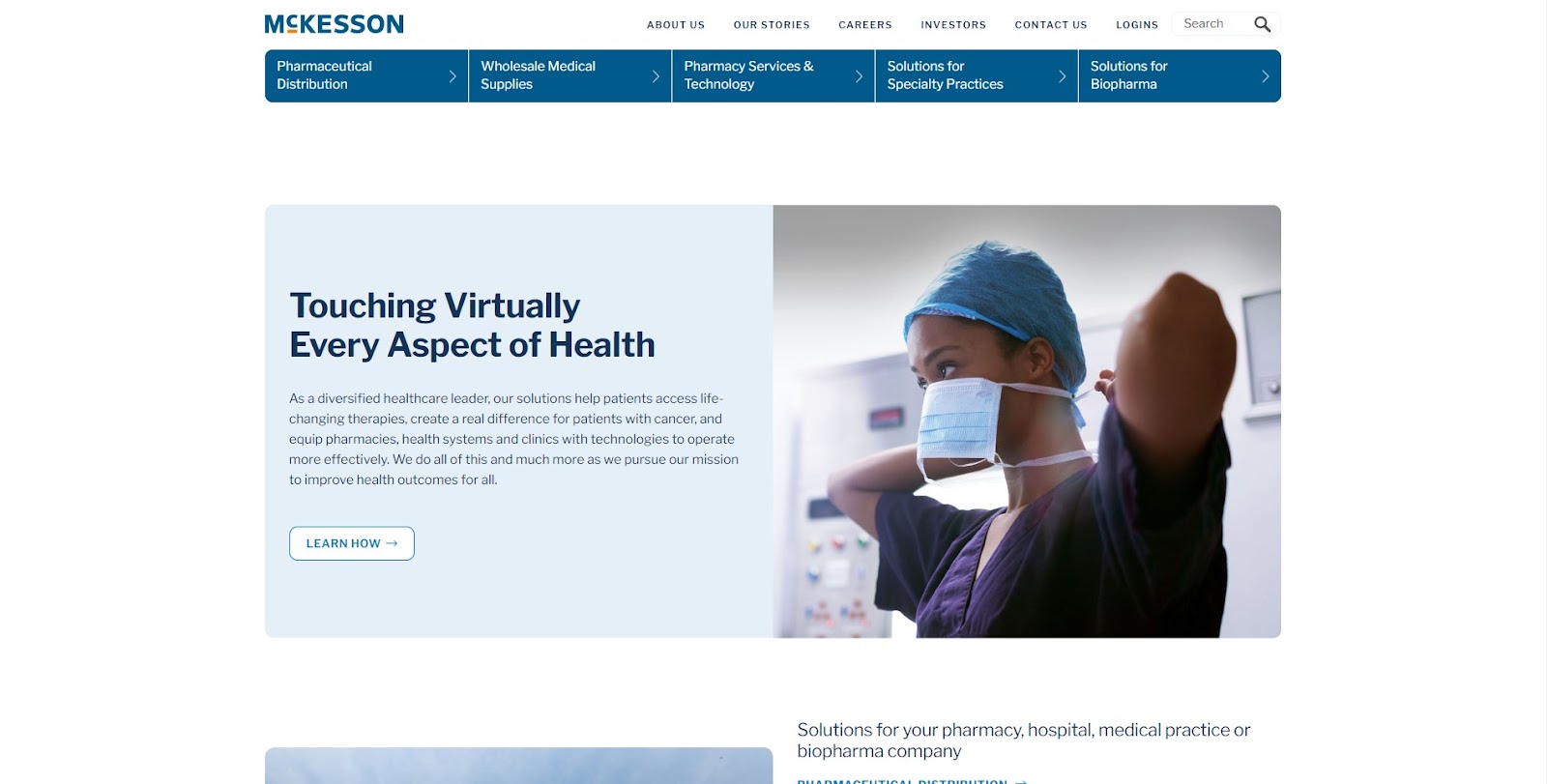
Mckesson’s website features a sleek and intuitive design with custom graphics, providing easy access to their diverse healthcare solutions and services. Visitors can explore their commitment to improving patient care, optimizing operations, and advancing healthcare through innovative technologies and industry expertise.
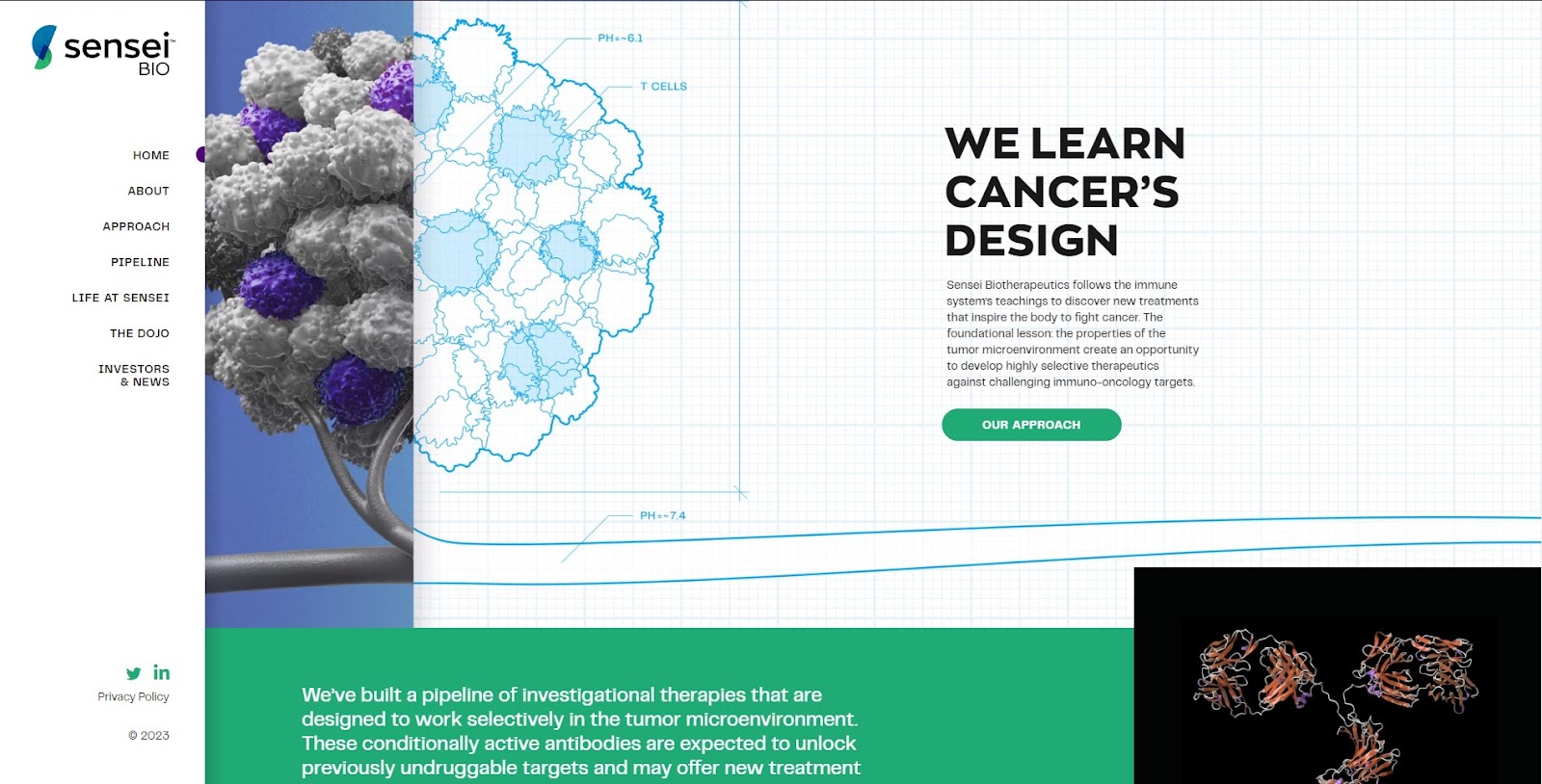
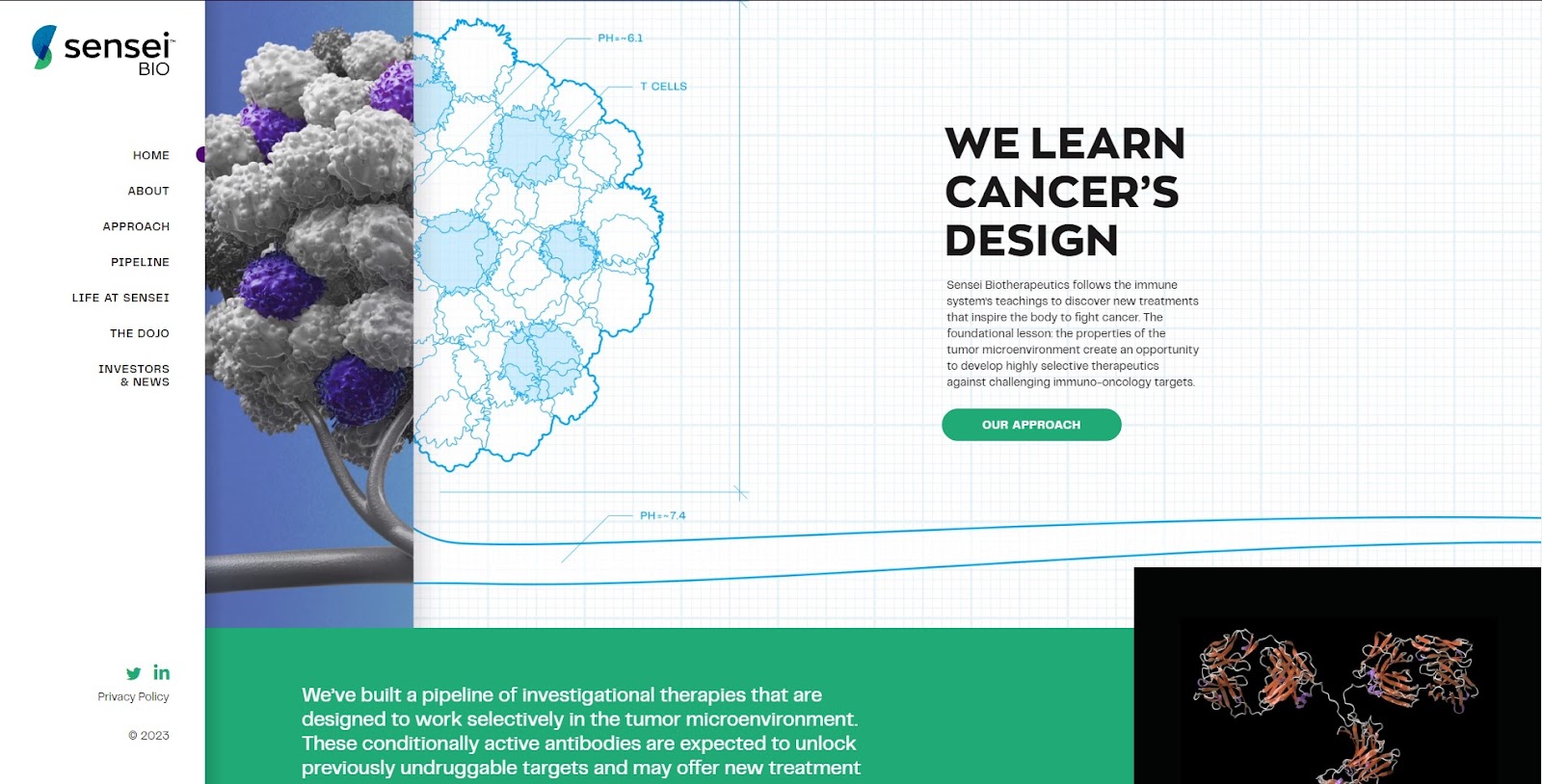
SenseiBio has an extremely sleek custom graphic design setup that allows for ease of access to the information they are trying to convey. Upon clicking their website, users instantly are intrigued by the images and can easily find out their mission since it is at the top of the page. They do a great job of balancing everything on the page.
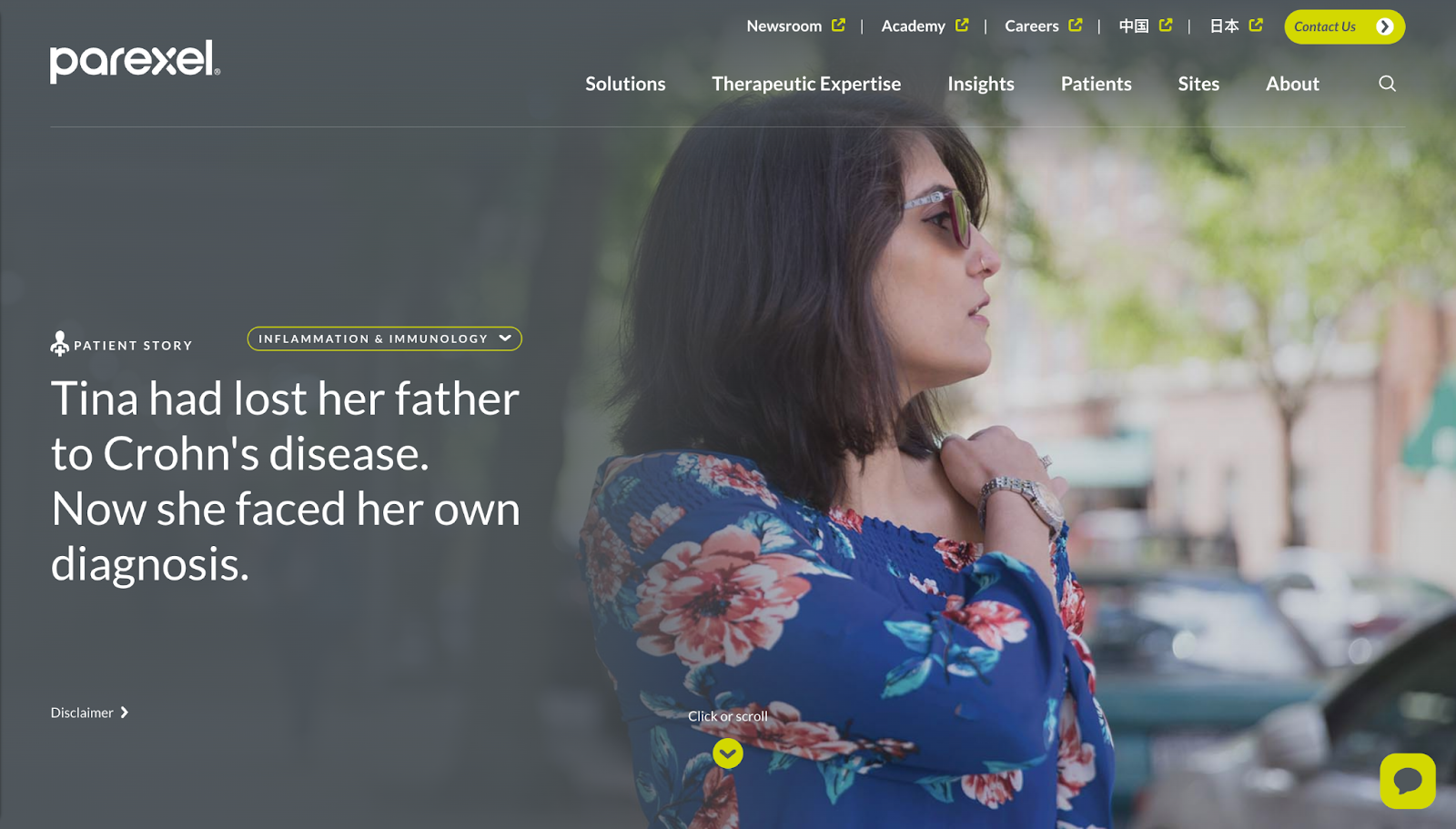
Parexel does a great job at making their website feel modern. As you scroll, there is effortless transitions that make you wonder if you were even scrolling in the first place. They do a great job of using social proof as well as authority and custom graphics to make their website look nice and feel trustworthy at the same time.
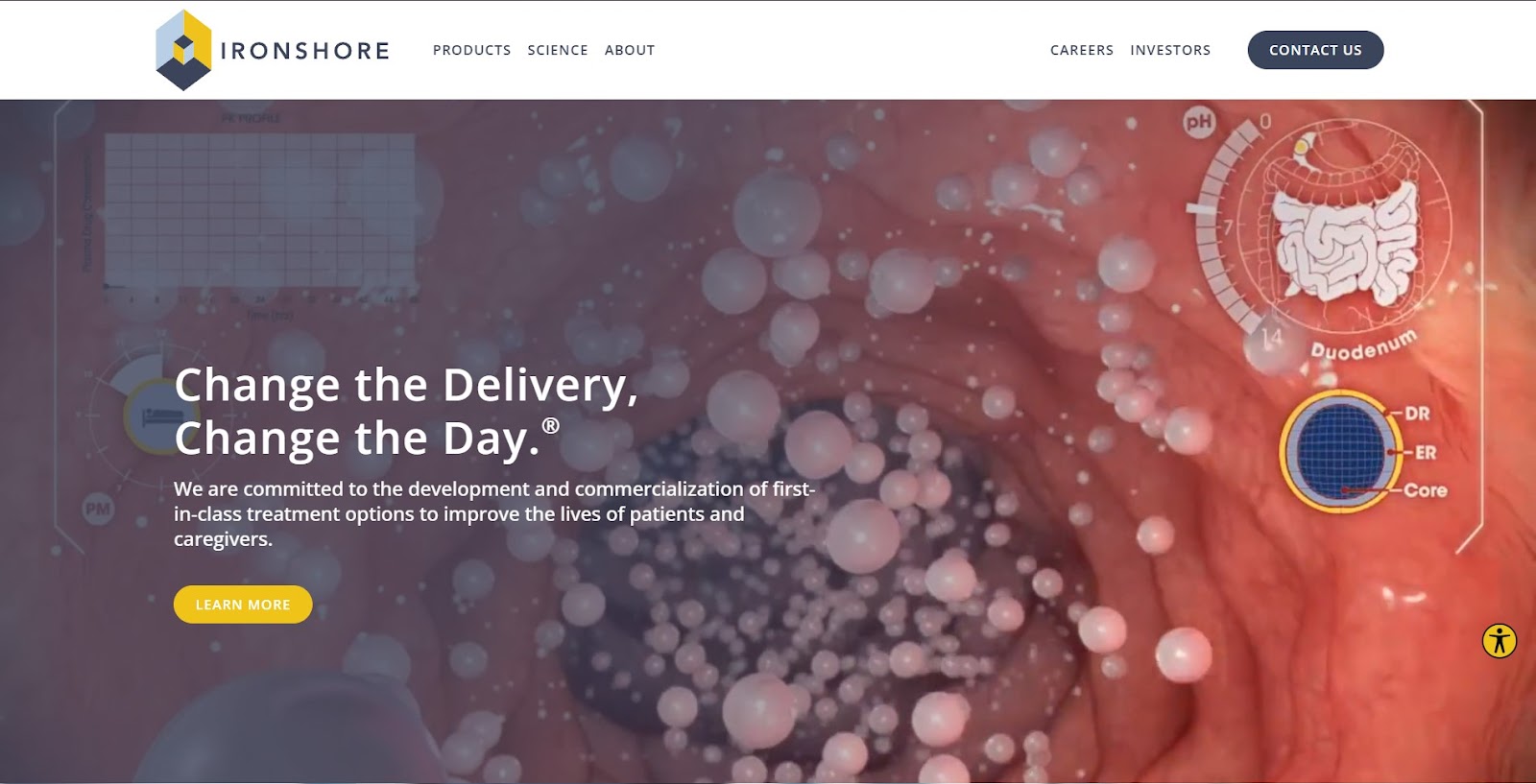
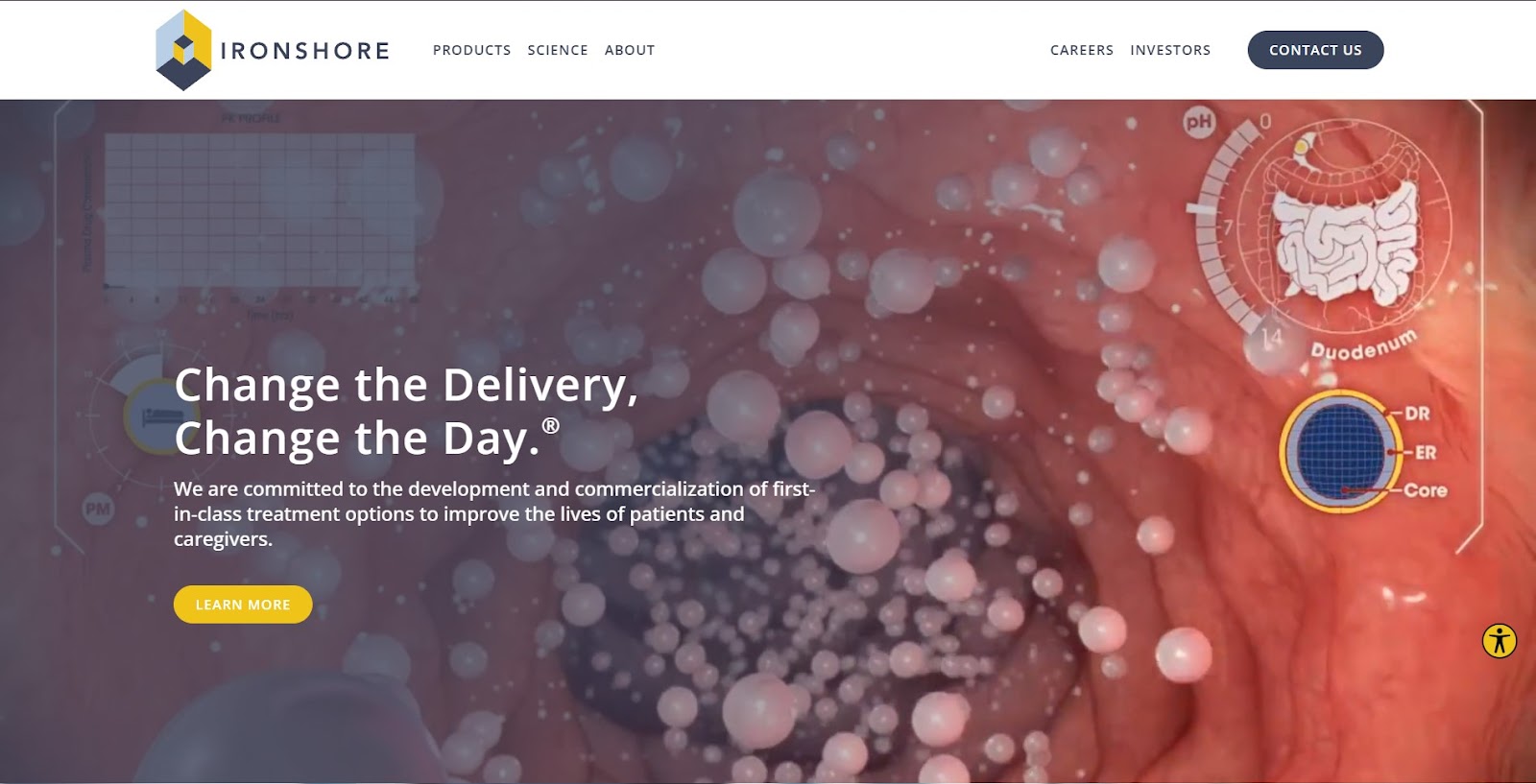
Ironshore Pharma’s website impresses with its stunning, custom graphic design and user-friendly layout, effectively conveying its mission to enhance patient lives through innovative, patient-focused treatment options. Visitors can easily navigate through their ideals, reflecting a commitment to improving healthcare outcomes for patients and caregivers alike. The site has animations, custom graphics, video backgrounds, dynamic elements, etc.
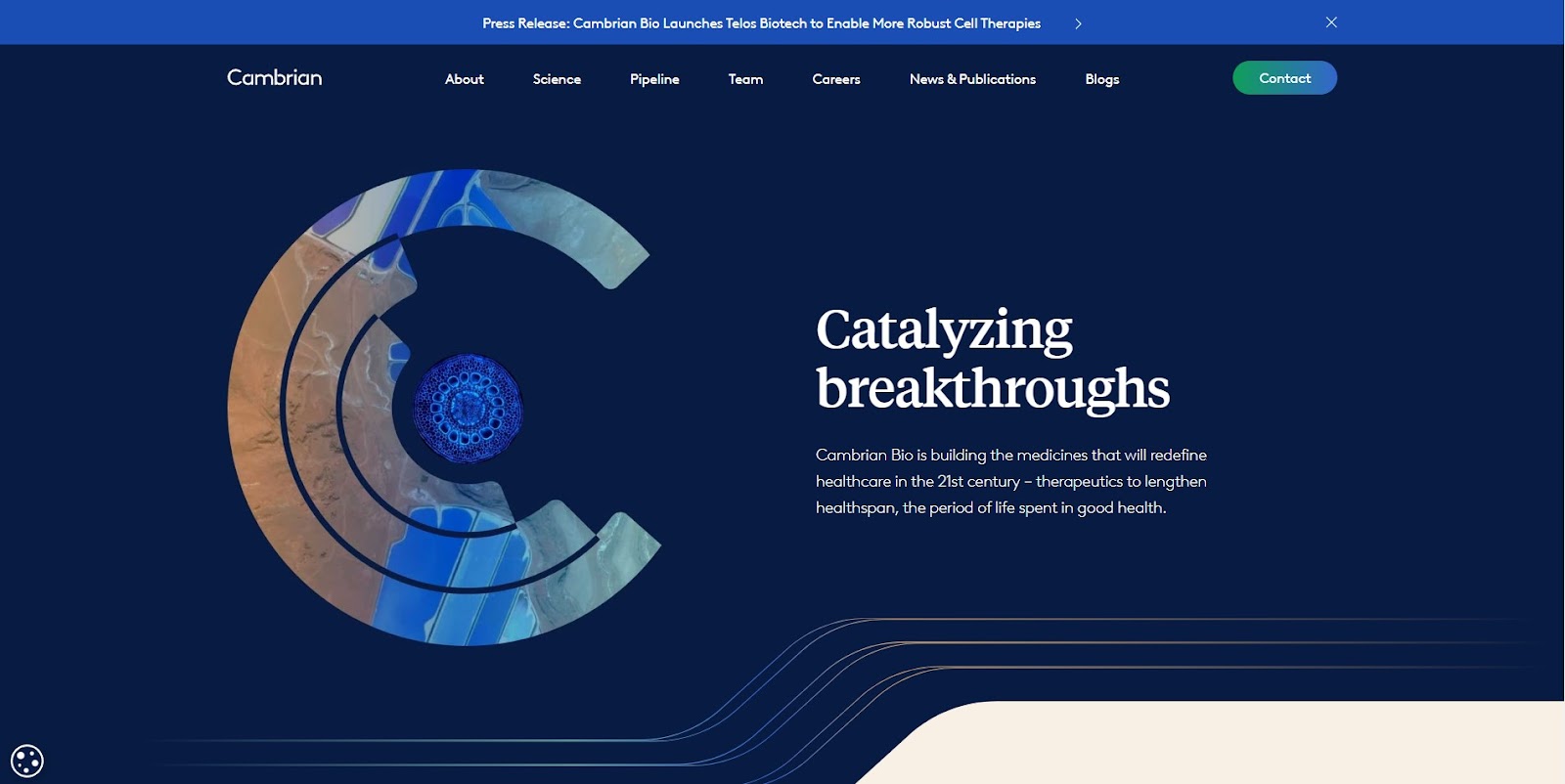
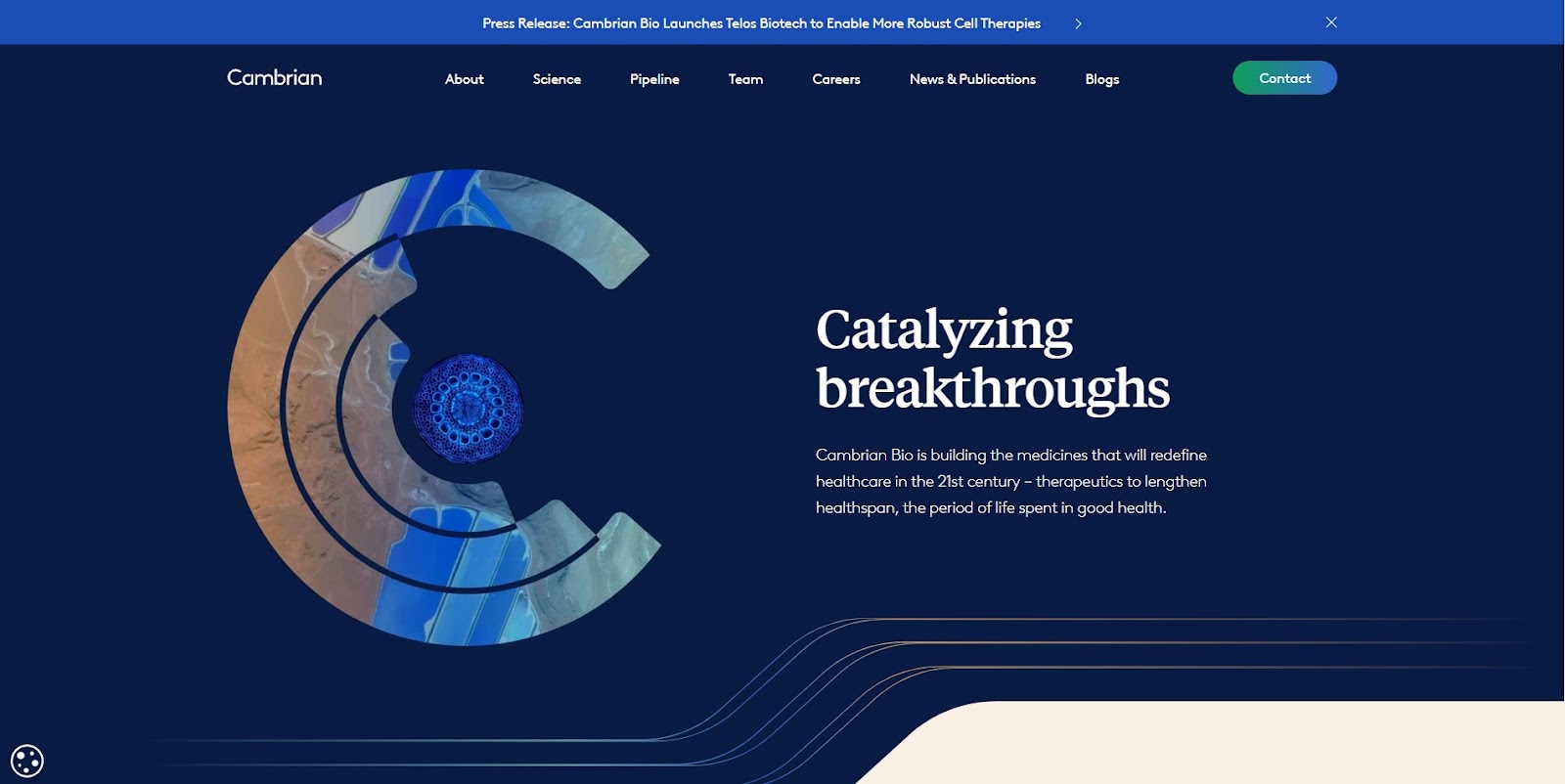
With the Cambrian Bio website, navigating the website is effortless due to the well-organized menu and intuitive user interface. Their custom graphics go a long way to show the user that they care about quality and simplicity. Their color gradients are very appealing and it is what allows them to compete in the top 10, without necessarily having too many cutting-edge animations. They are unique and stand out based on their quality.
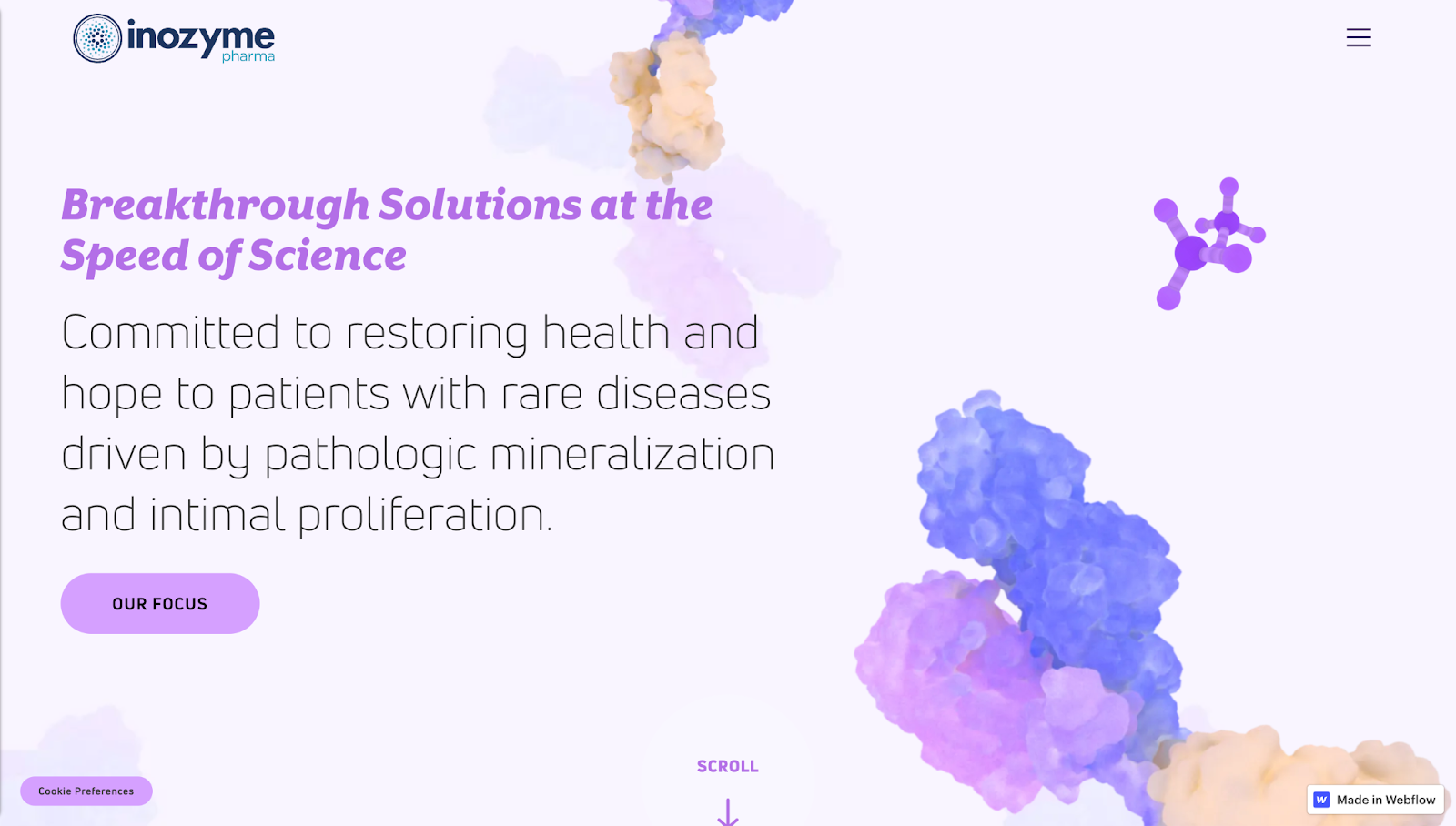
Inozyme really breaks the mold of your typical pharma website. Their choice of gentle pastel colors makes scrolling through their site a breeze, and they’ve got every category covered for anyone exploring their content. You can easily find information about their treatments while enjoying the pleasing visuals the whole time.
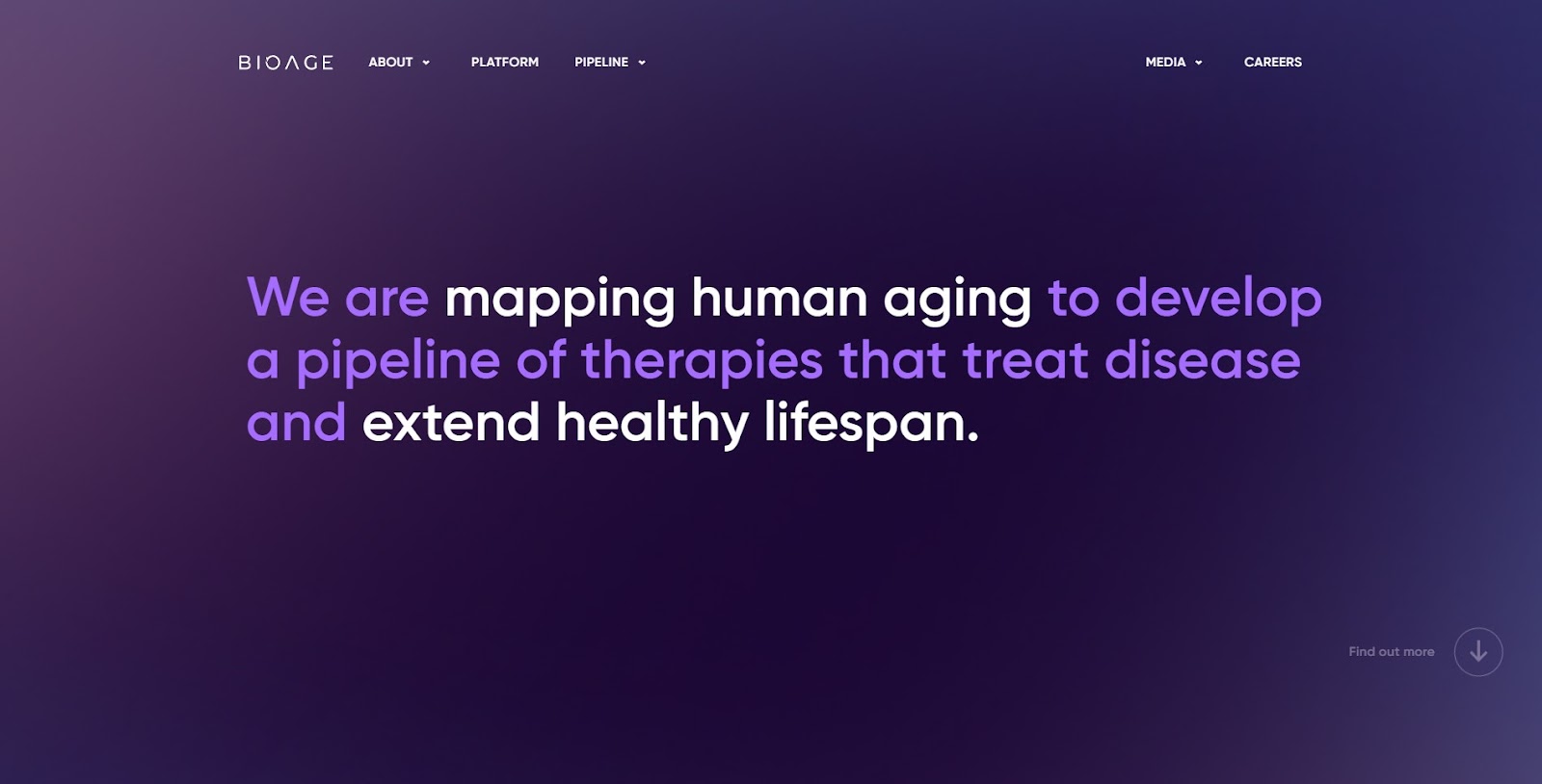
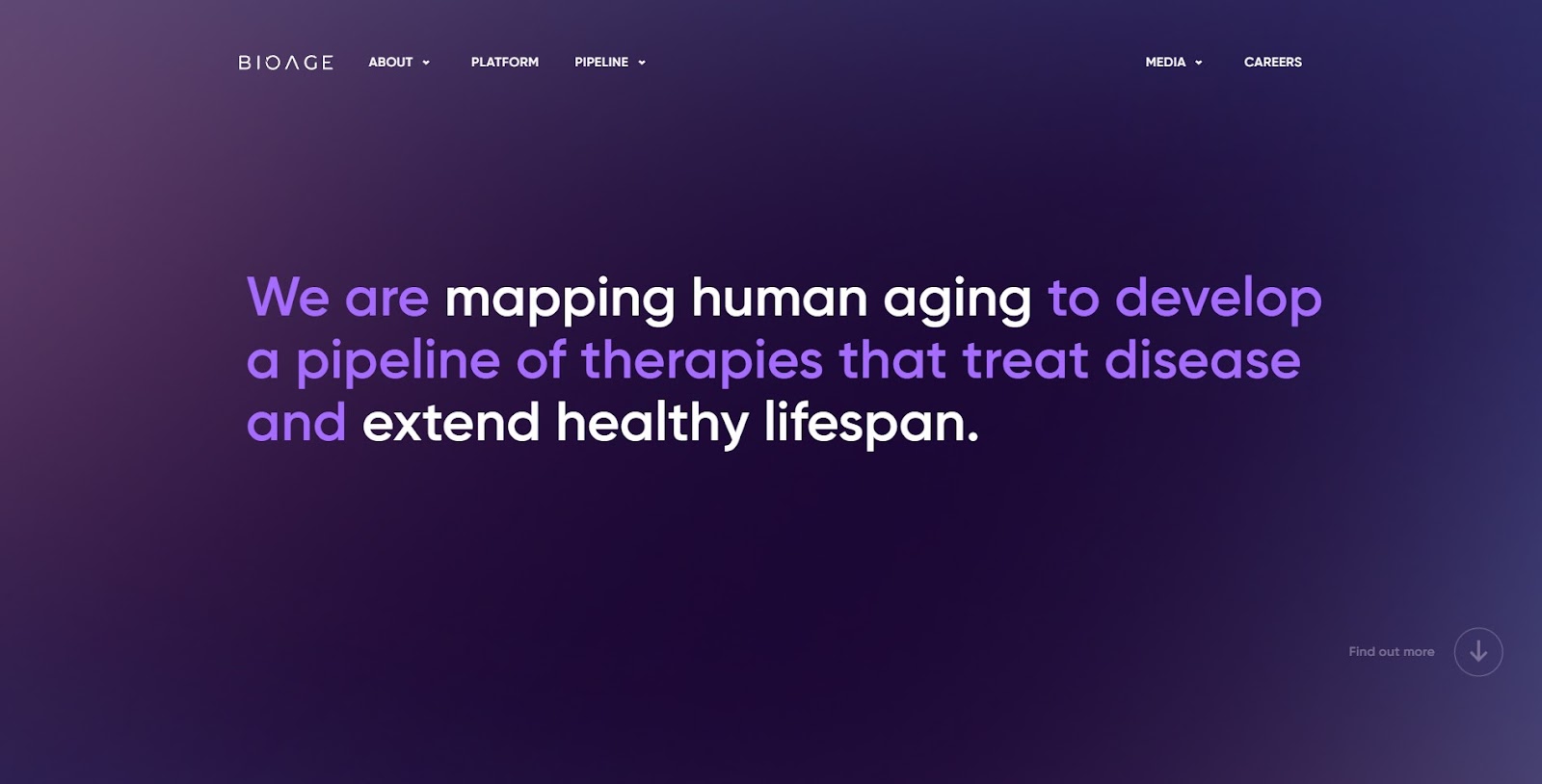
BioAge Labs’ website boasts a sleek and modern design, reflecting their cutting-edge work in aging research and healthspan extension. With engaging content and user-friendly navigation, the site highlights its commitment to transforming the future of healthcare and improving the quality of life for individuals worldwide. The scrolling feels satisfying with their minimalistic yet futuristic design. They have minimum words to easily get across information, as well as gorgeous and dynamic 3D animations that move with you through the page. Every part of the website just feels clean.
Want to discuss your next pharma website?
The Digital Elevator team specializes in pharma website design and development. If you have an upcoming project or are looking for some fresh ideas for your existing website, let us know.
Welcome to our comprehensive round-up of the 51 best biotech websites of the year! In this blog post, we’ll showcase the most innovative, user-friendly, and visually stunning websites that are setting new standards in the industry. From cutting-edge research institutions to forward-thinking biotech companies, these websites have been carefully curated to highlight their exceptional designs, intuitive navigation, and informative content.
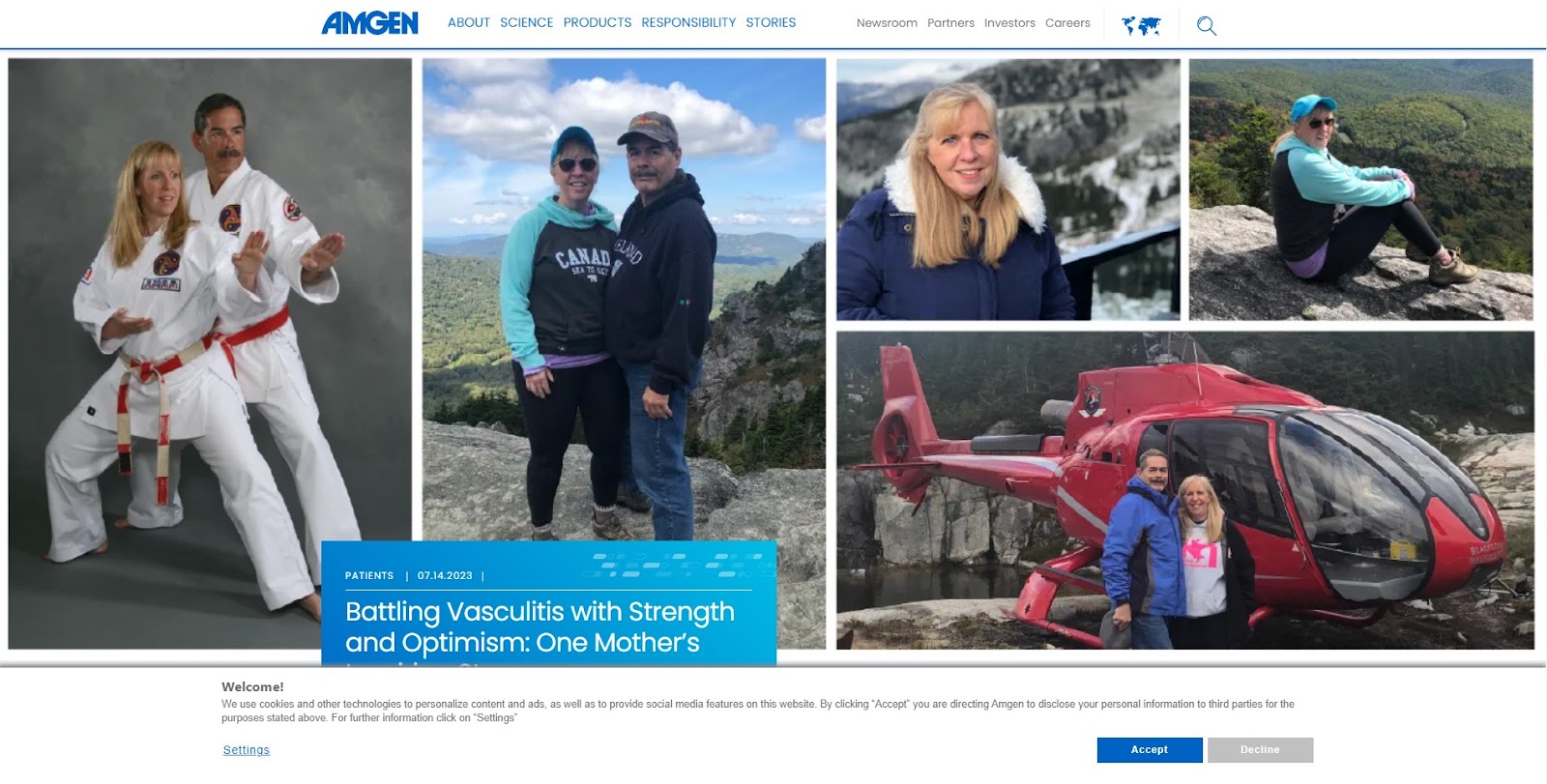
Amgen’s website was well-designed, providing visitors with easy access to information about the company’s focus on biotechnology and its breakthrough therapies in various disease areas, particularly oncology and bone health. They have colors that are easy on the eyes, as well as dynamic elements that help the owners seem more relatable and personable.
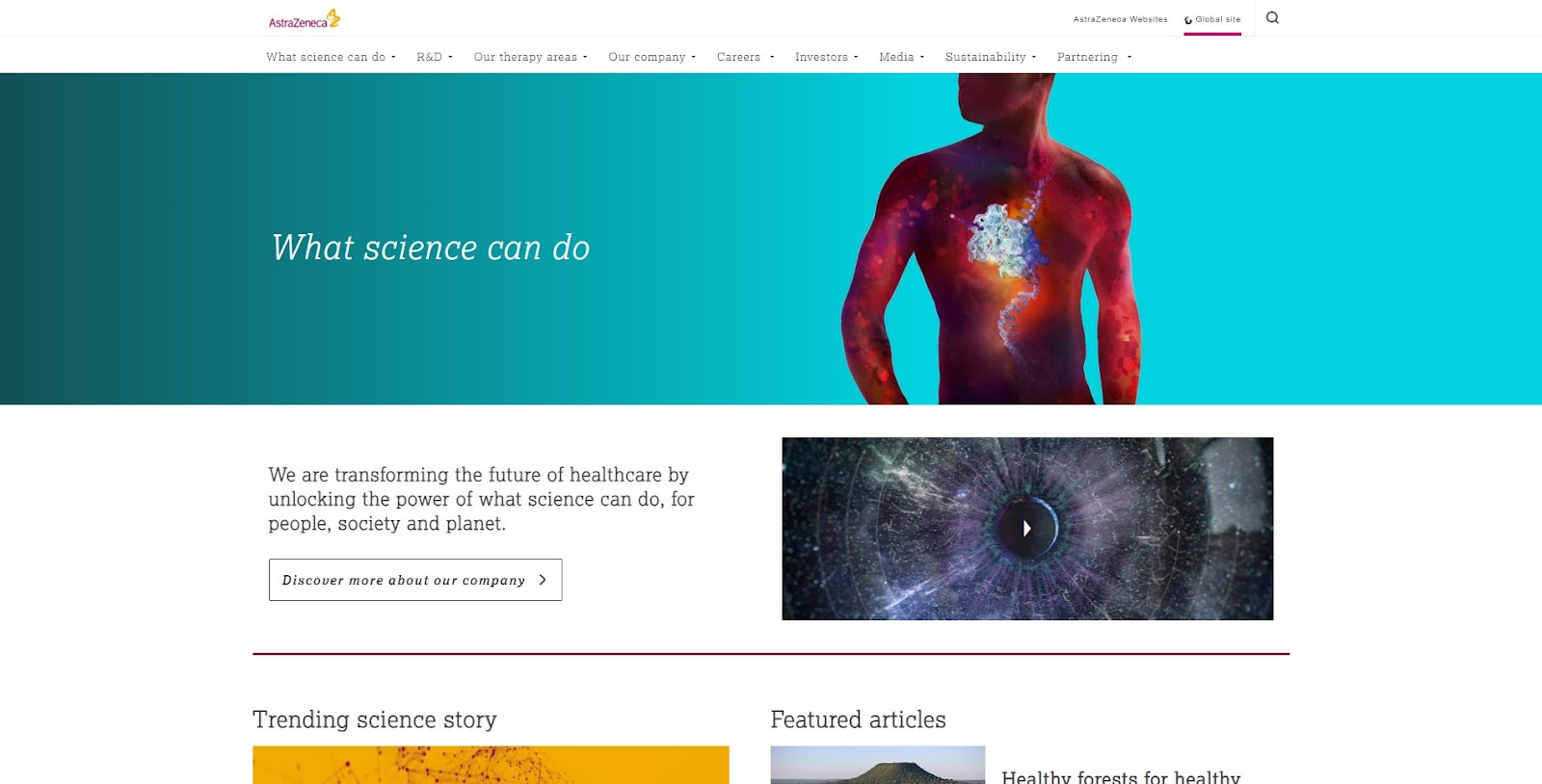
AstraZeneca’s website presented a comprehensive view of the company’s diverse portfolio, covering therapeutic areas such as oncology, cardiovascular, respiratory, and more. They have a lot of custom, unique imagery, making their website very appealing.
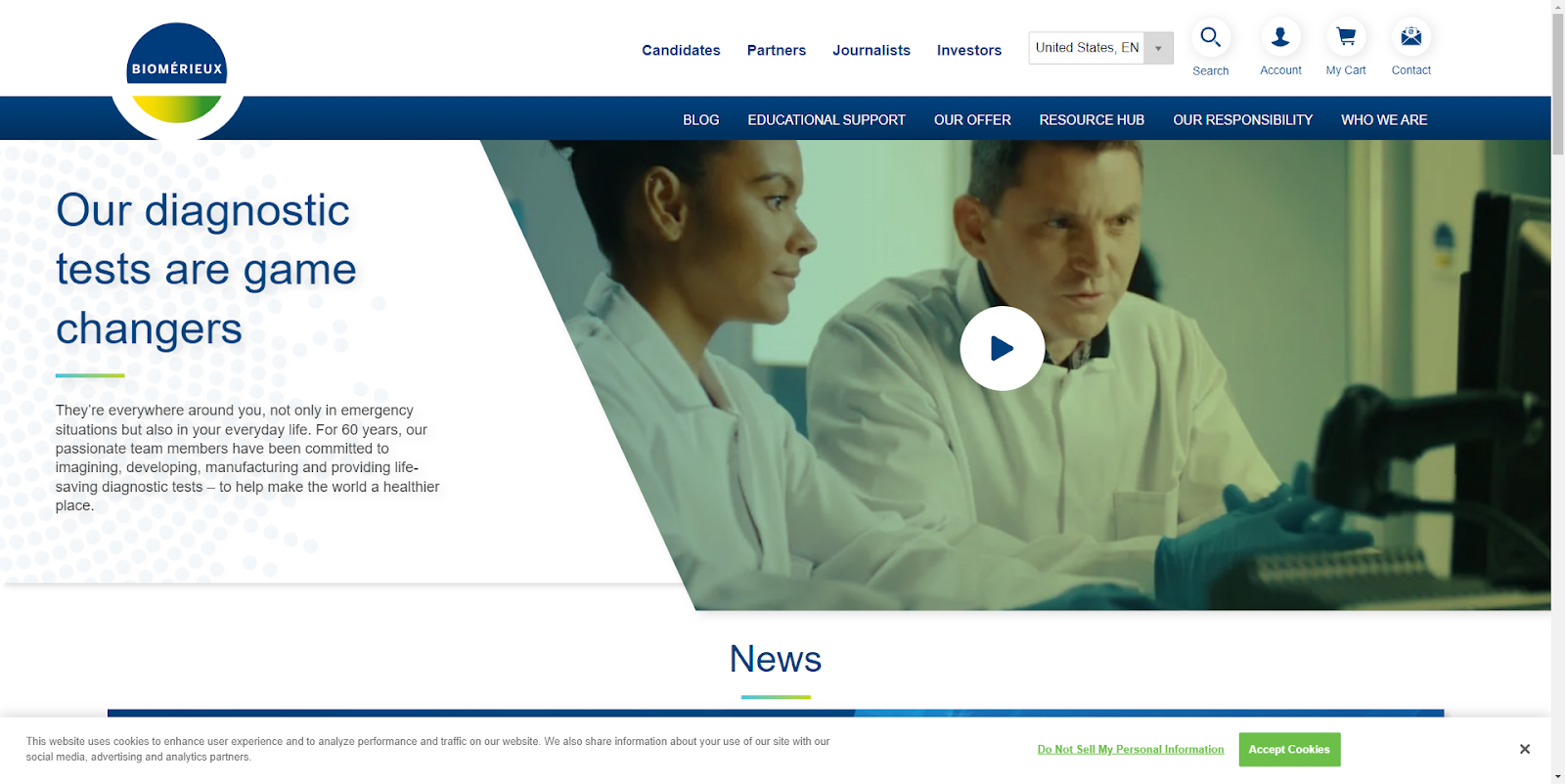
The Biomerieux website presents a sleek and user-friendly design, seamlessly blending sophistication with functionality. Intuitive navigation guides visitors through a seamless exploration of Biomerieux’s diagnostic products and services.
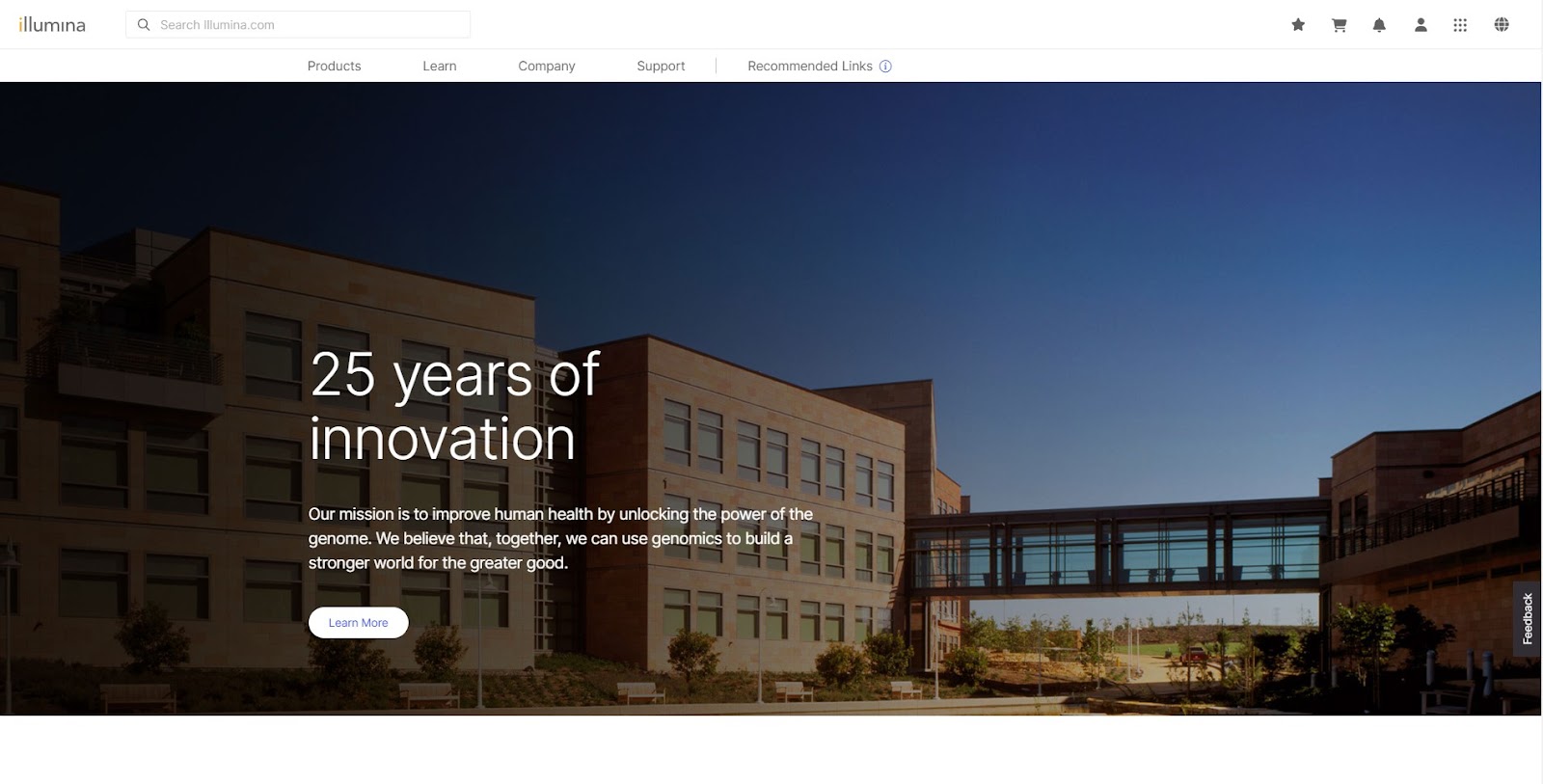
Illumina’s website highlighted its leadership in genomics and DNA sequencing technologies, playing a significant role in advancing precision medicine. They have a very straightforward design, making it easy for you to find whatever you are looking for on the site.
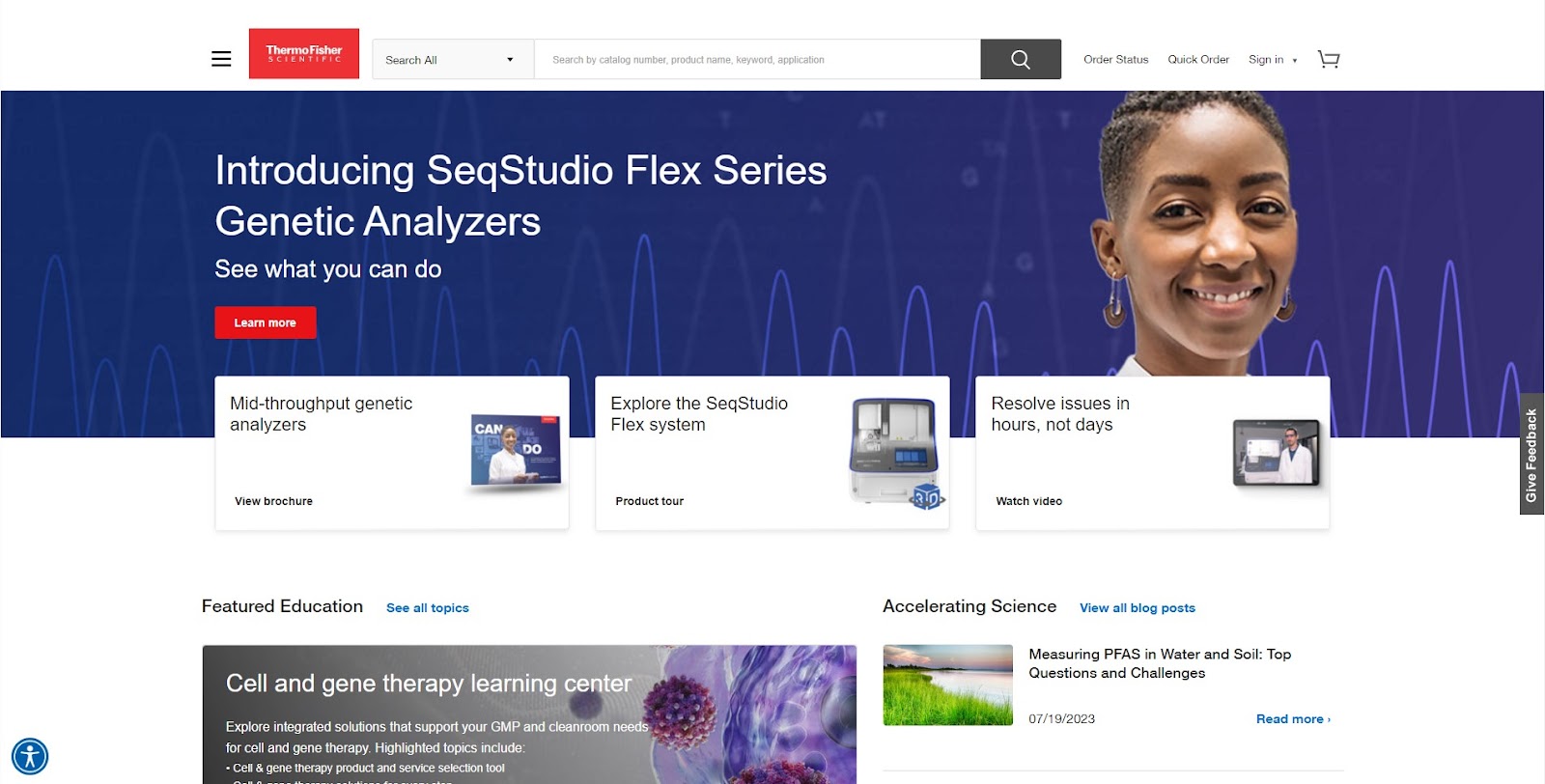
Thermo Fisher Scientific’s website offers an informative platform, showcasing its contributions to life sciences and healthcare research through its wide range of products and services. Their layout is an all-in-one home page where you can find everything from products to news within a few scrolls.
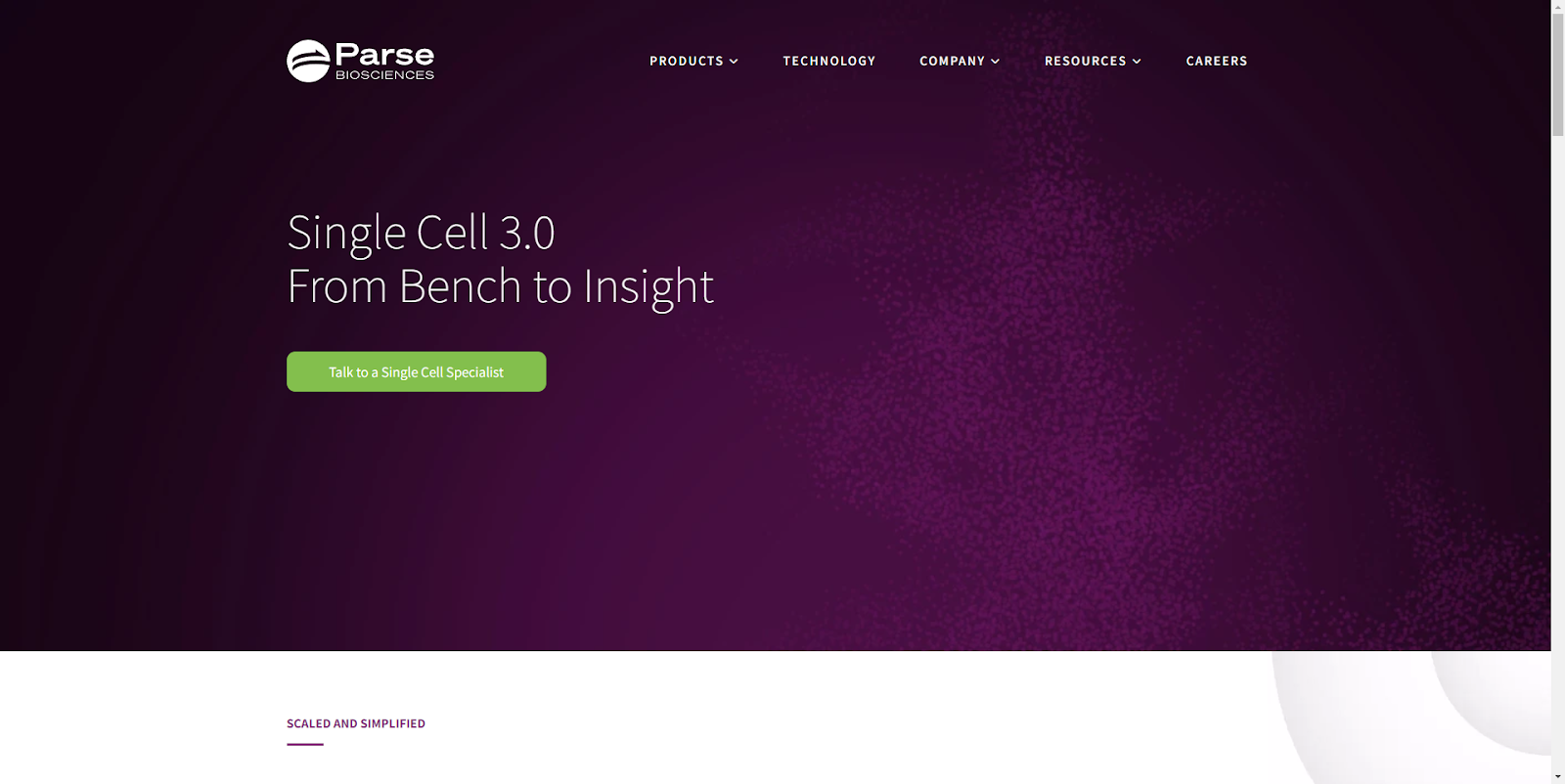
The Parse Biosciences website impresses with a modern design focused on single-cell sales at any scale. Its clean layout and high-quality images showcase innovation, while insightful on-site graphs provide detailed information. Custom graphics enhance the user experience, making exploration of Parse Biosciences’ offerings both seamless and visually engaging.
Novartis’ website features a user-friendly interface with clear navigation, showcasing the company’s commitment to transforming patients’ lives through innovative medicines and cutting-edge research.
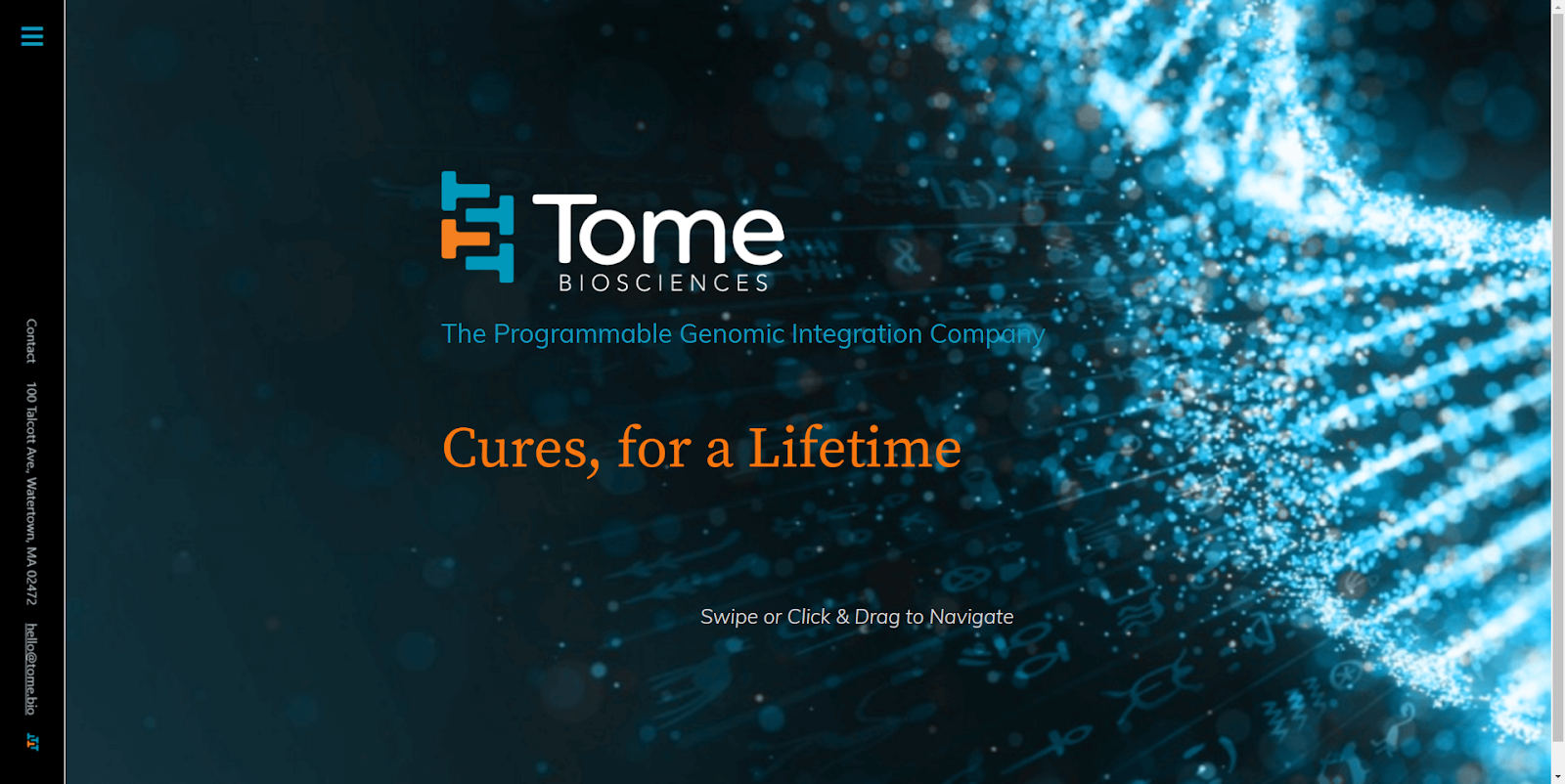
The Tome Biosciences website captivates with a unique and user-friendly design, where navigation involves an engaging drag-and-explore feature. The on-site custom graphics and intuitive navigation create an immersive user experience, making exploration of Tome Biosciences genomics products and services both visually engaging and seamlessly interactive.
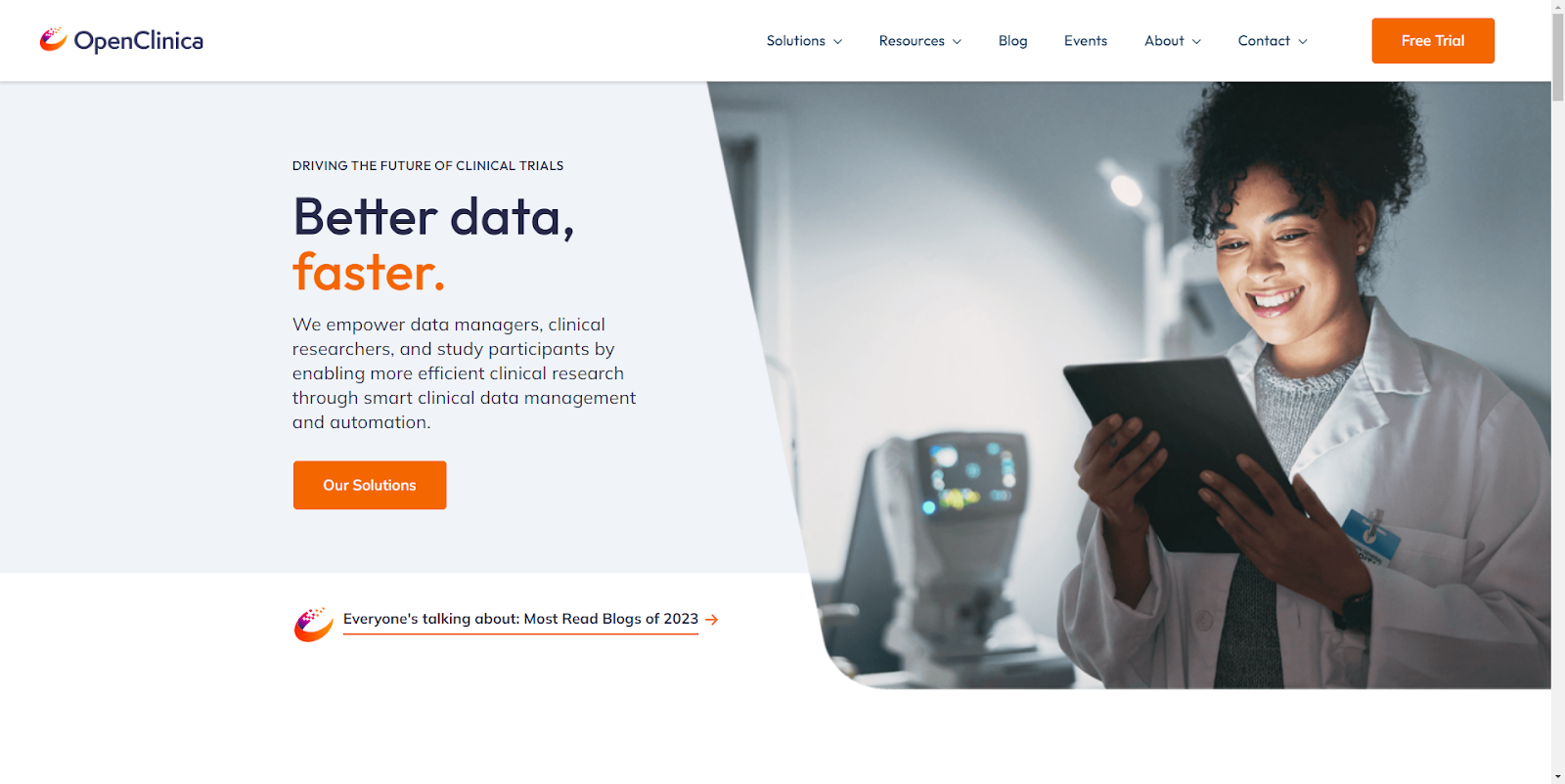
The OpenClinica website stands out for its concise and effective writing, providing clear information about clinical trial solutions. The website’s clean design, coupled with high-quality graphics, reflects a commitment to visual clarity and professionalism. OpenClinica’s use of custom graphics enhances the user experience, ensuring that visitors can easily comprehend and navigate through their comprehensive clinical trial offerings.
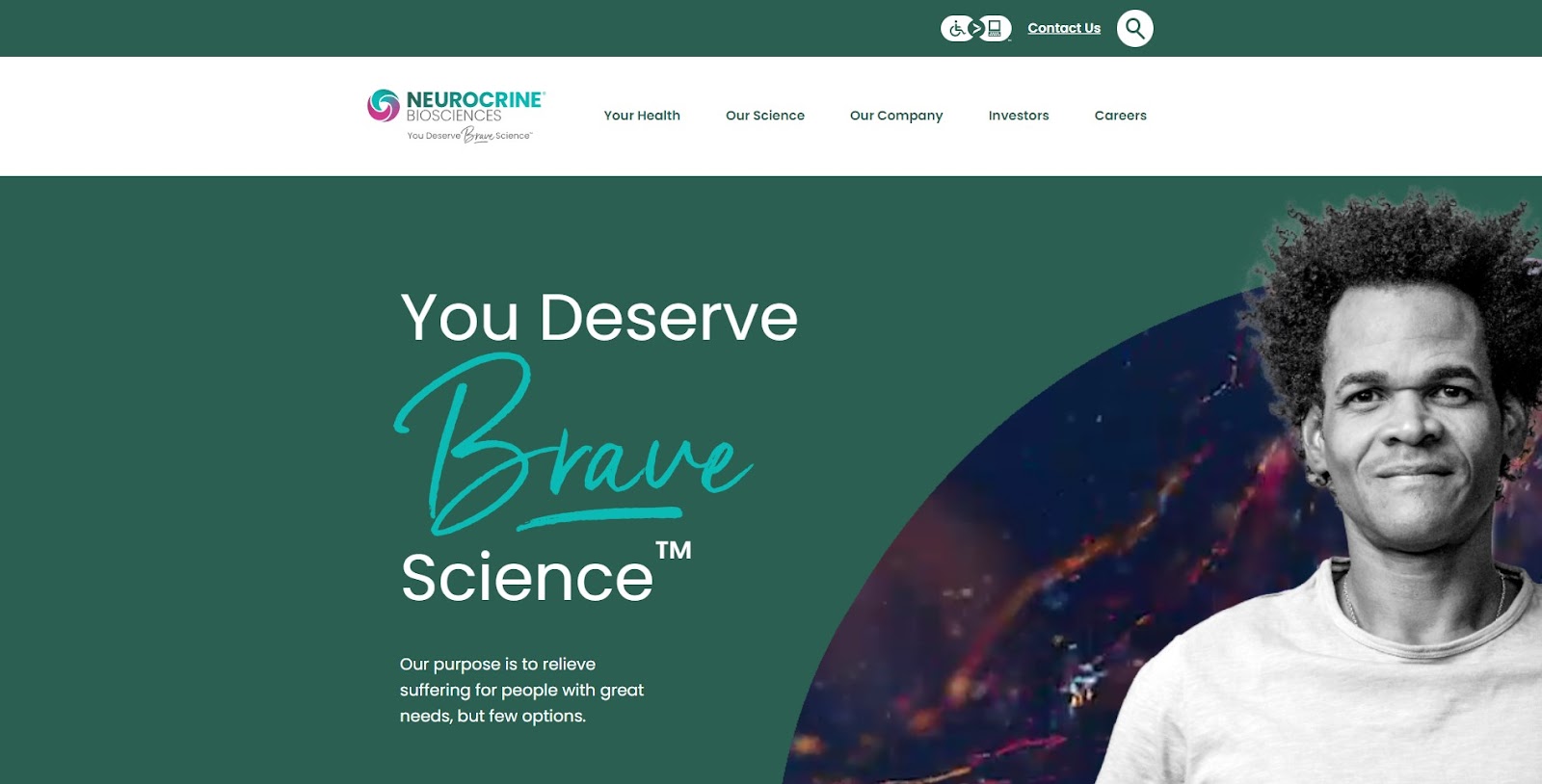
Neurocrine Biosciences’ website features its commitment to neuroscience and its focus on developing therapies for neurological and endocrine-related disorders. Their animations add high-quality visuals to the page and make going through the website much more engaging.
Mckesson’s website features a sleek and intuitive design with custom graphics, providing easy access to their diverse healthcare solutions and services. Visitors can explore their commitment to improving patient care, optimizing operations, and advancing healthcare through innovative technologies and industry expertise. Their website is similar to their company, they aren’t the flashiest, but they pack a punch in a big way that makes big impacts.
Get a free website proposal from our team today.
The discovery call is the first step in discussing your business, your goals, and the potential services you need for your marketing or web design campaign.
Bluebird Bio’s website emphasizes its pioneering work in gene therapy, particularly for severe genetic disorders, with a commitment to transforming patients’ lives. There is comfort and diversity through their use of images and font choices.
Alnylam Pharmaceuticals’ website highlights its leadership in RNA interference (RNAi) therapeutics, targeting the root cause of genetic diseases. They have tons of custom graphic designs that elevate the user experience on the site. Small designs often go unnoticed but elevate a website to the next level.
Biogen’s website stands out with its user-centric approach, featuring interactive tools, patient resources, and engaging stories of individuals benefiting from their therapies. They have a very basic yet convincing video that can show their entire message all in the facial expressions of the main protagonist.
Novita has an aesthetically polished and informative website dedicated to advancing the fight against cancer, offering comprehensive insights into cutting-edge research and efforts to find a cure. Their graphics are great. They have 3D animations, aspects of the page that move in and out as you scroll, slightly varying shades of blue to distinguish information, and more. Novita does a great job at making a “simple” website look elegant.
Genentech’s website is praised for its clean design, intuitive navigation, and informative content that highlights its groundbreaking research and biotech advancements. Their approach to graphic design is unique and it makes them stand out amongst competitors. They have a cartoonish, minority-centric style that is genuinely one of a kind.
The Allay Therapeutics website uniquely expresses support for patients throughout their recovery process by incorporating moons as a symbolic design element. This thoughtful touch, along with custom graphics across the site, creates a visually engaging experience.
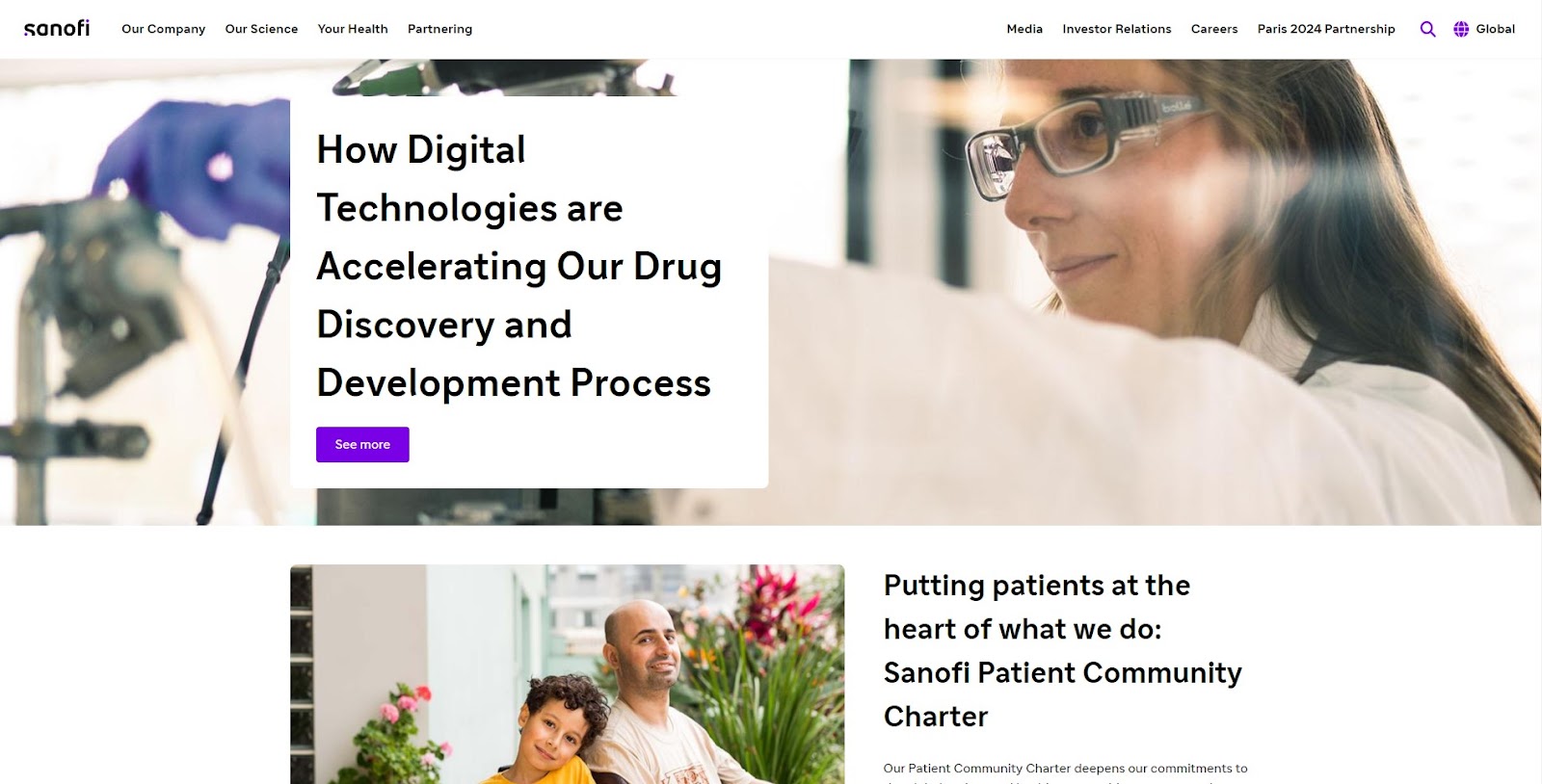
Sanofi’s website offers comprehensive information about the company’s commitment to global healthcare, spanning areas like vaccines, rare diseases, and diabetes management. Their website is very clean and has a variety of content to consume on the homepage alone. From videos to links to blogs to potential partnerships. They cover all of their bases without making the home page overwhelming.
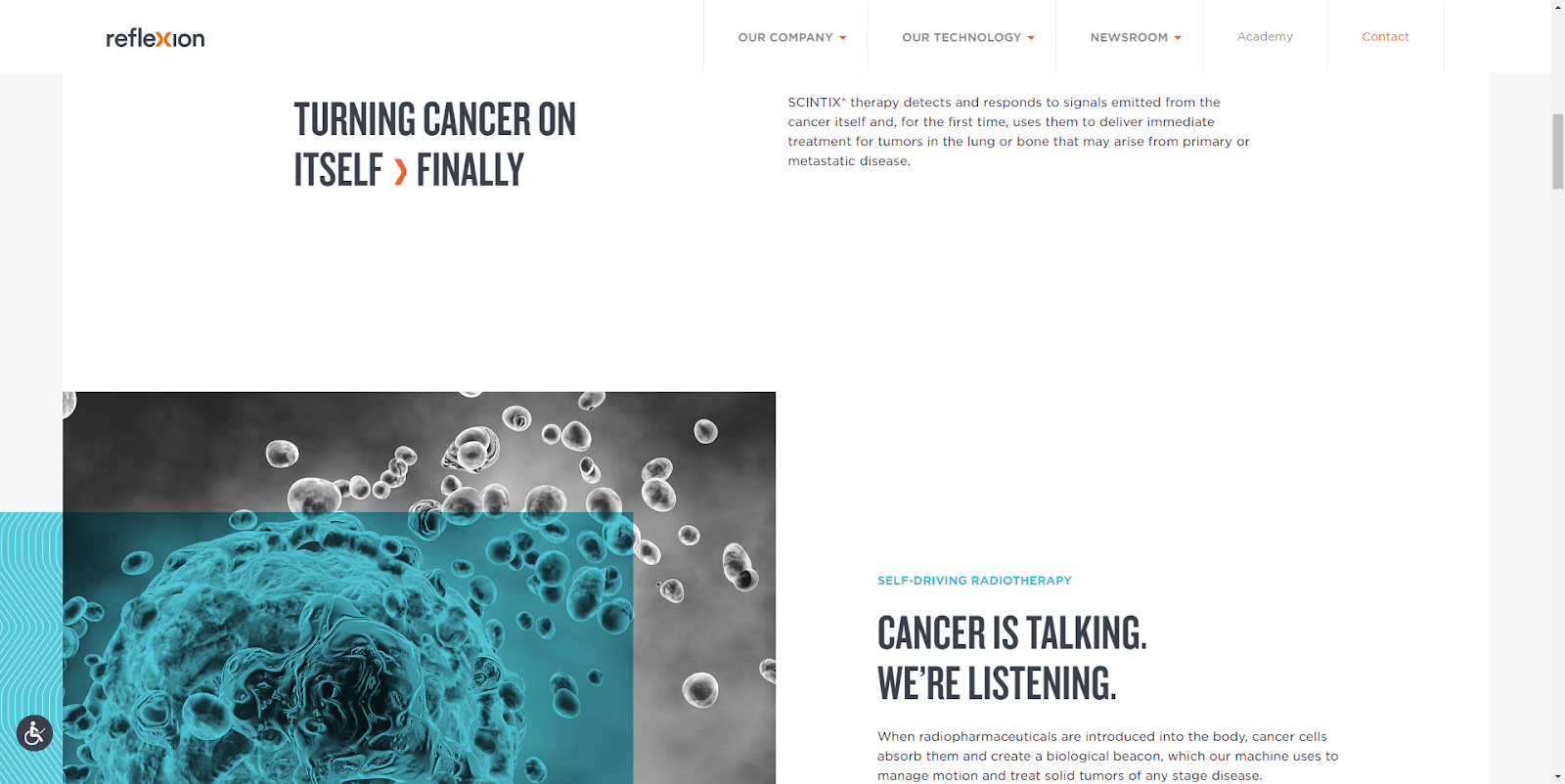
The Reflexion website makes a dynamic impact with its unique design, featuring elements dynamically converging at the center upon page load. This captivating visual effect sets the stage for a compelling storytelling experience, emphasizing the brand’s dedication to fighting cancer.
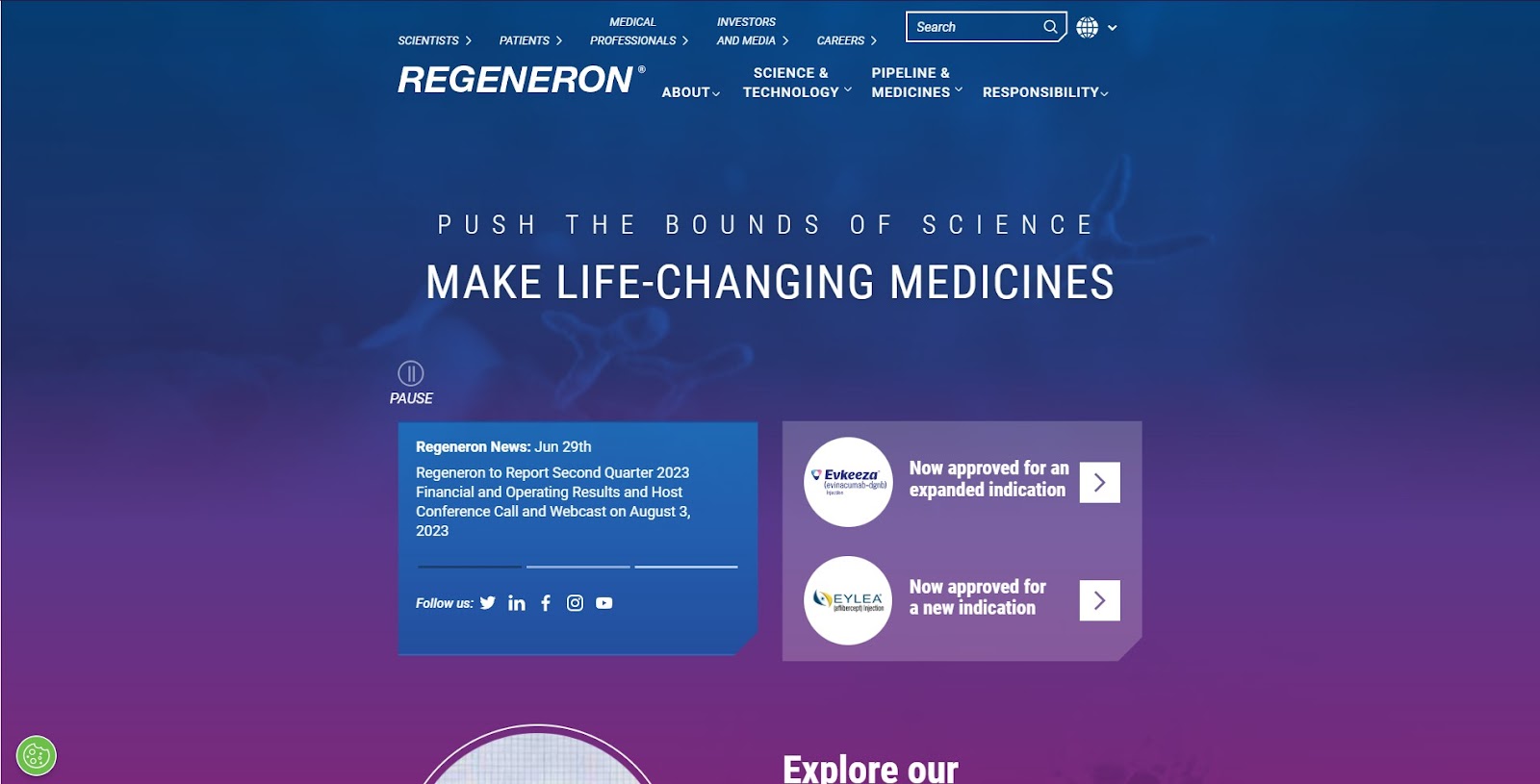
Regeneron Pharmaceuticals’ website is informative and user-friendly, highlighting its focus on research and development of innovative monoclonal antibody therapies for various diseases. Their unique color palettes and dynamic animations make the website very stimulating and enjoyable to look through.
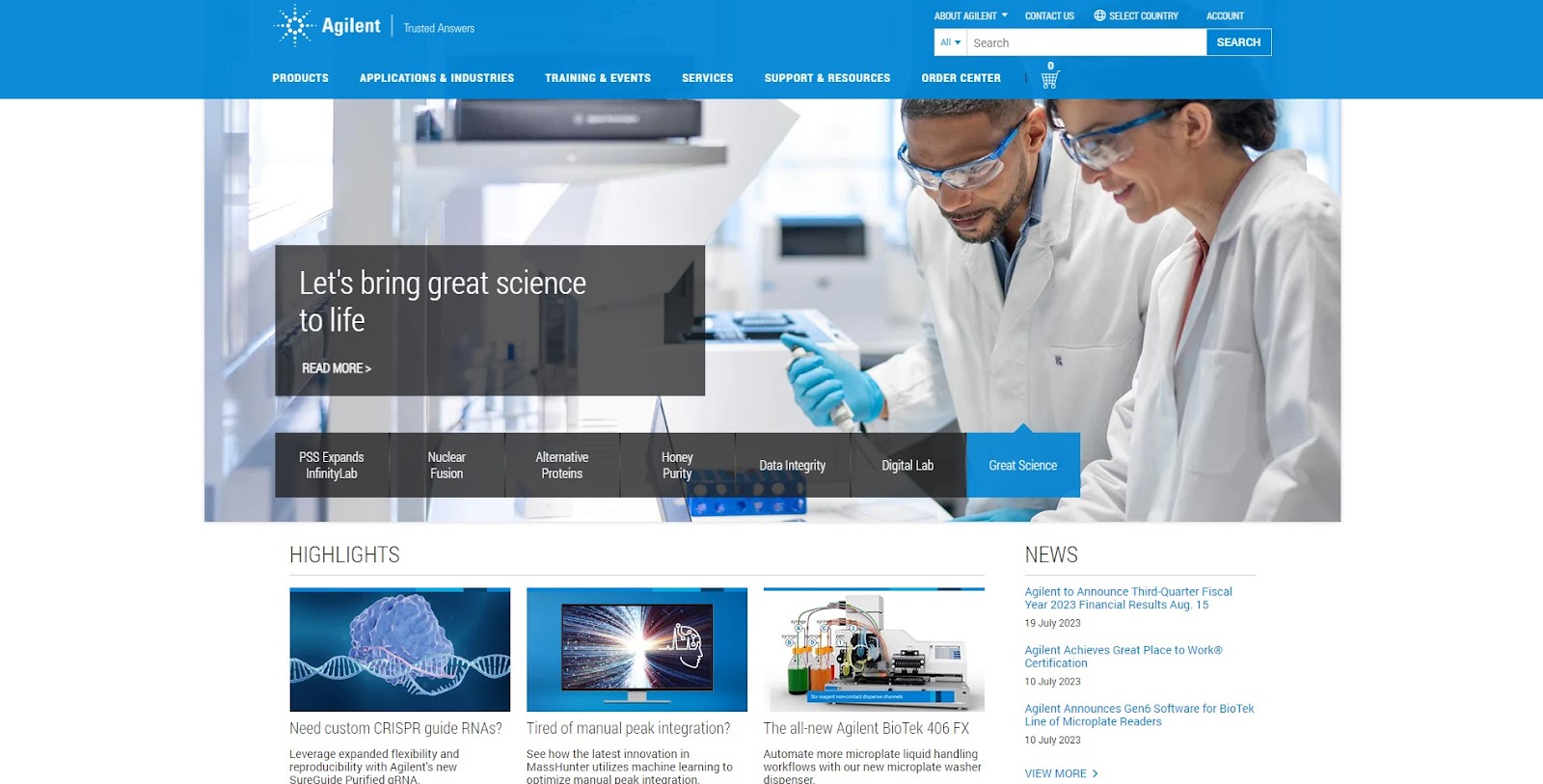
Agilent Technologies’ website showcases its broad range of life science and analytical instruments, contributing to advancements in scientific research and diagnostics. They do a very nice job at displaying all of their work in highlights on their page, allowing for easy access to information.
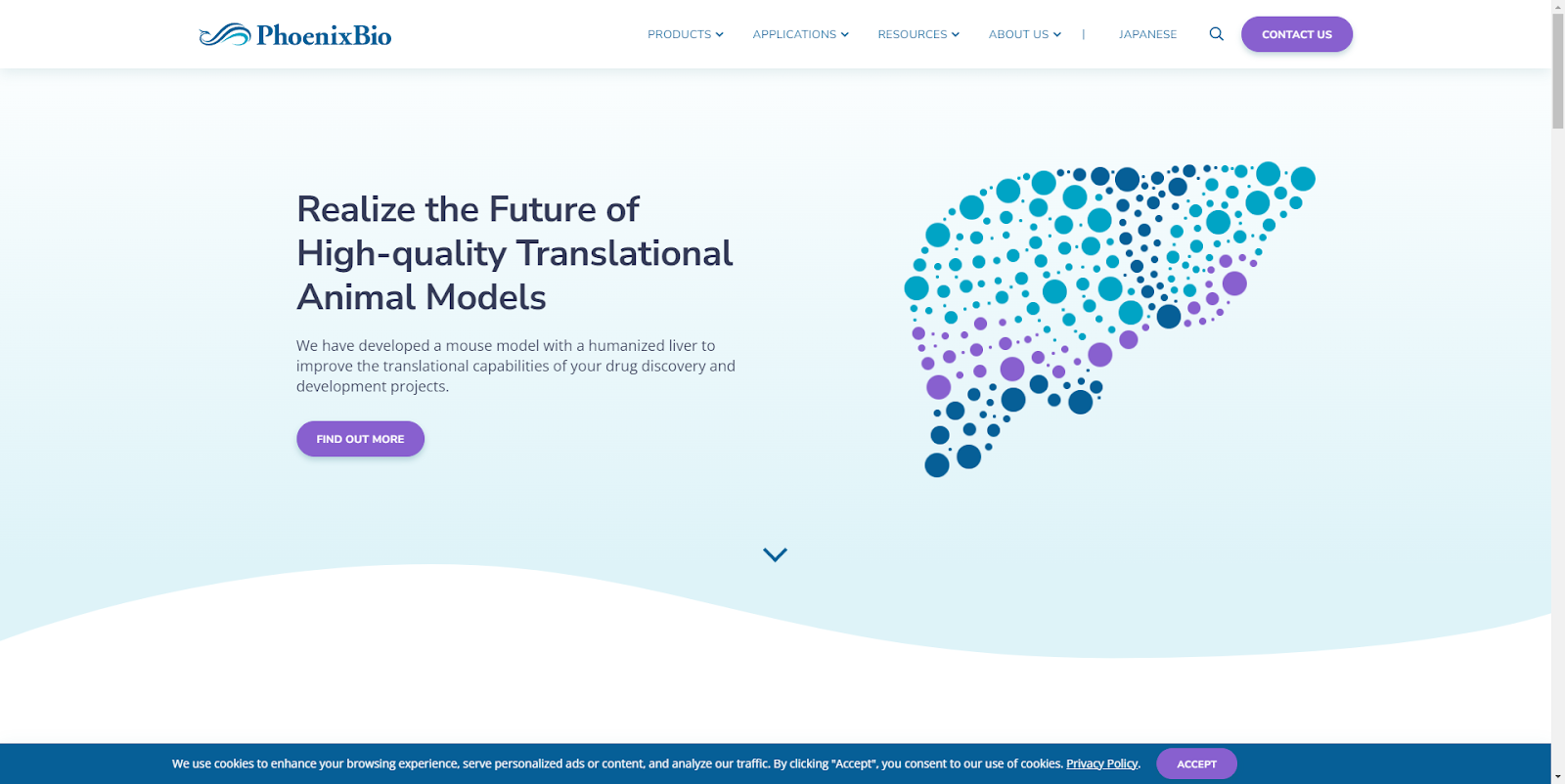
The PhoenixBio website makes a dynamic impact with graphics that are constantly in motion, creating an engaging visual experience. The site’s basic yet effective custom graphics play a crucial role in simplifying complex scientific concepts, ensuring a clear understanding for visitors. This combination of motion graphics and simple yet effective visuals reflects PhoenixBio’s commitment to providing an accessible and visually compelling platform for understanding intricate scientific information.
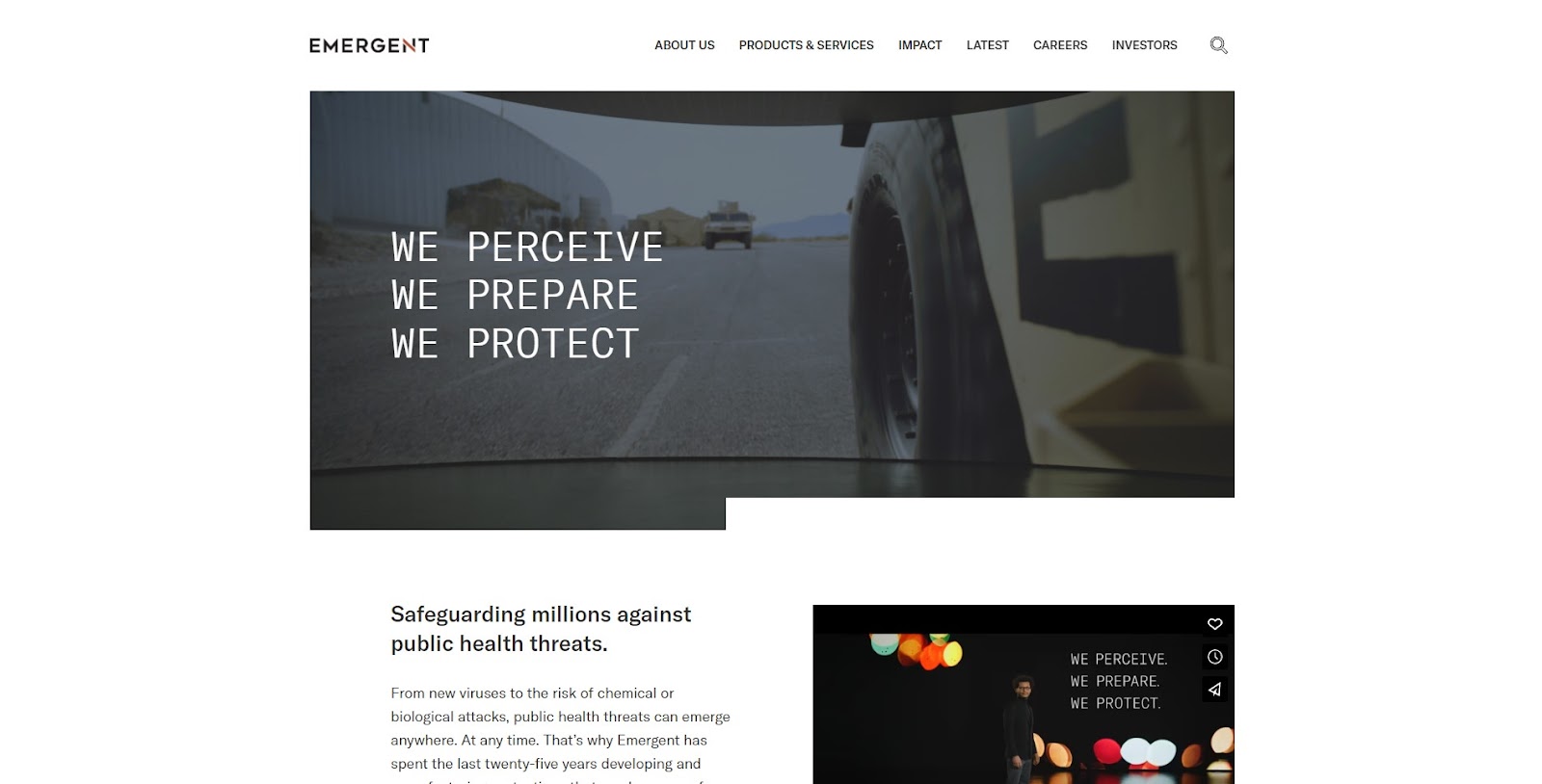
Emergent BioSolutions’ website showcases its expertise in medical countermeasures, with a focus on vaccines and treatments for public health threats. Their website is very to the point which is very useful for a brand like this one that has one main goal. Their slogan gives us an idea of who they are, and having it multiple times on the home page allows users to associate the brand with those values.
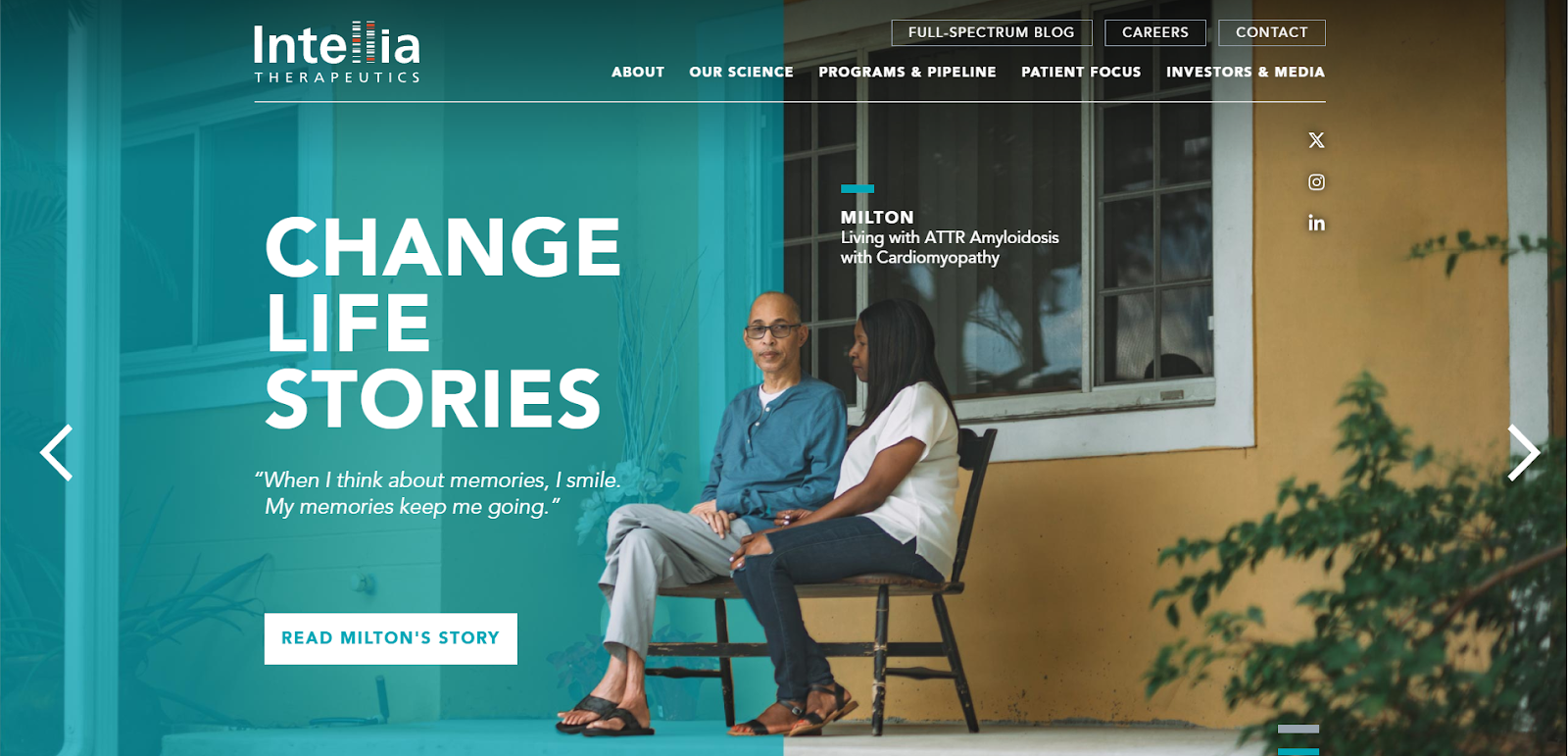
Intellia Therapeutics’ website emphasizes its CRISPR-Cas9 gene editing technology and its potential to revolutionize medicine. This website does a great job of using their research as subtle graphics. Most of their website has accents of DNA structures which are very subtle and different from any other company so far on this list.
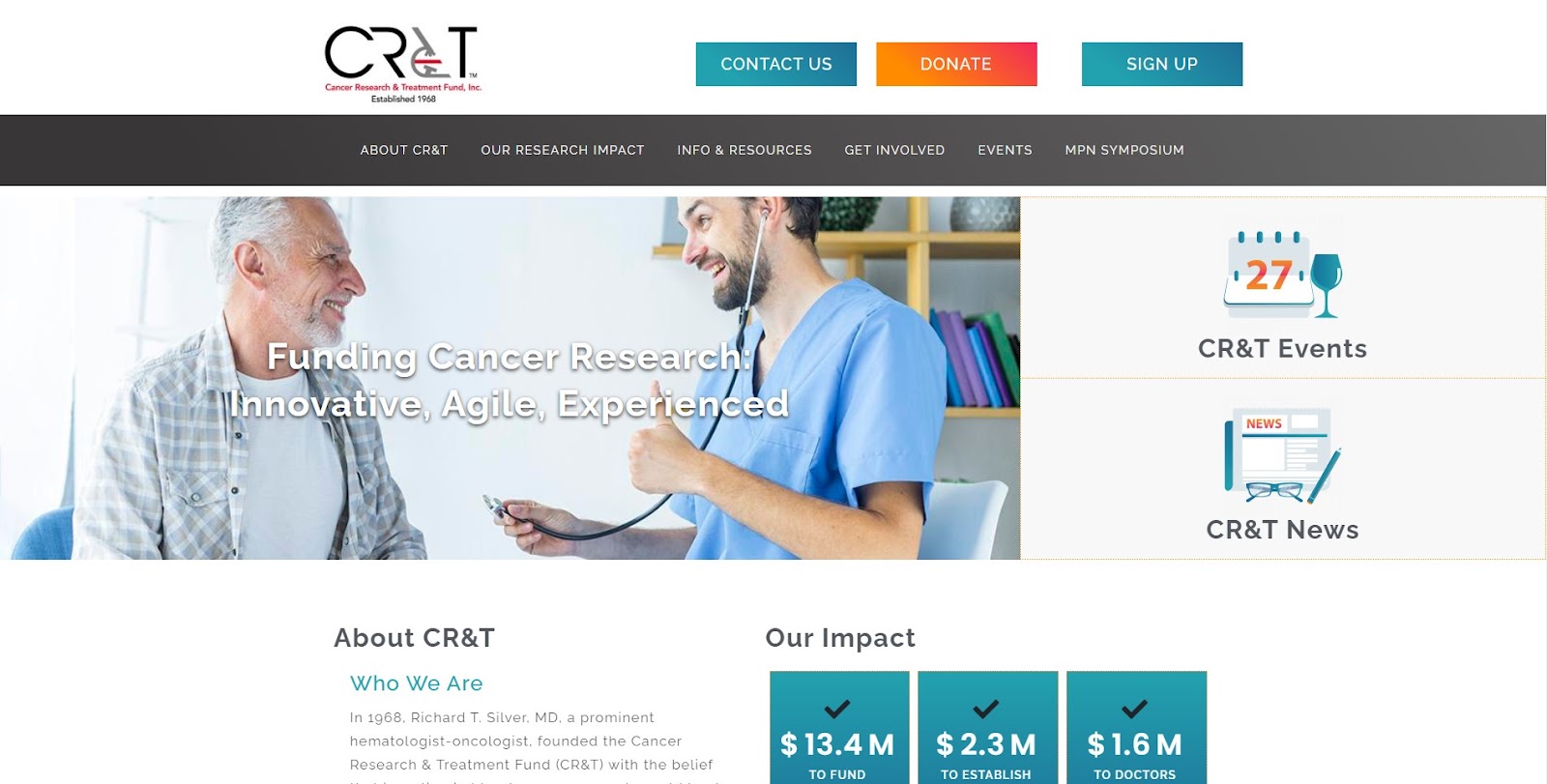
The Cancer Research & Treatment Fund’s website offers a clean and user-friendly design, enabling visitors to learn about their impactful efforts in advancing cancer research and treatment. With easy navigation, social proof, and engaging content, the site showcases its commitment to funding groundbreaking studies and providing support to those affected by cancer.
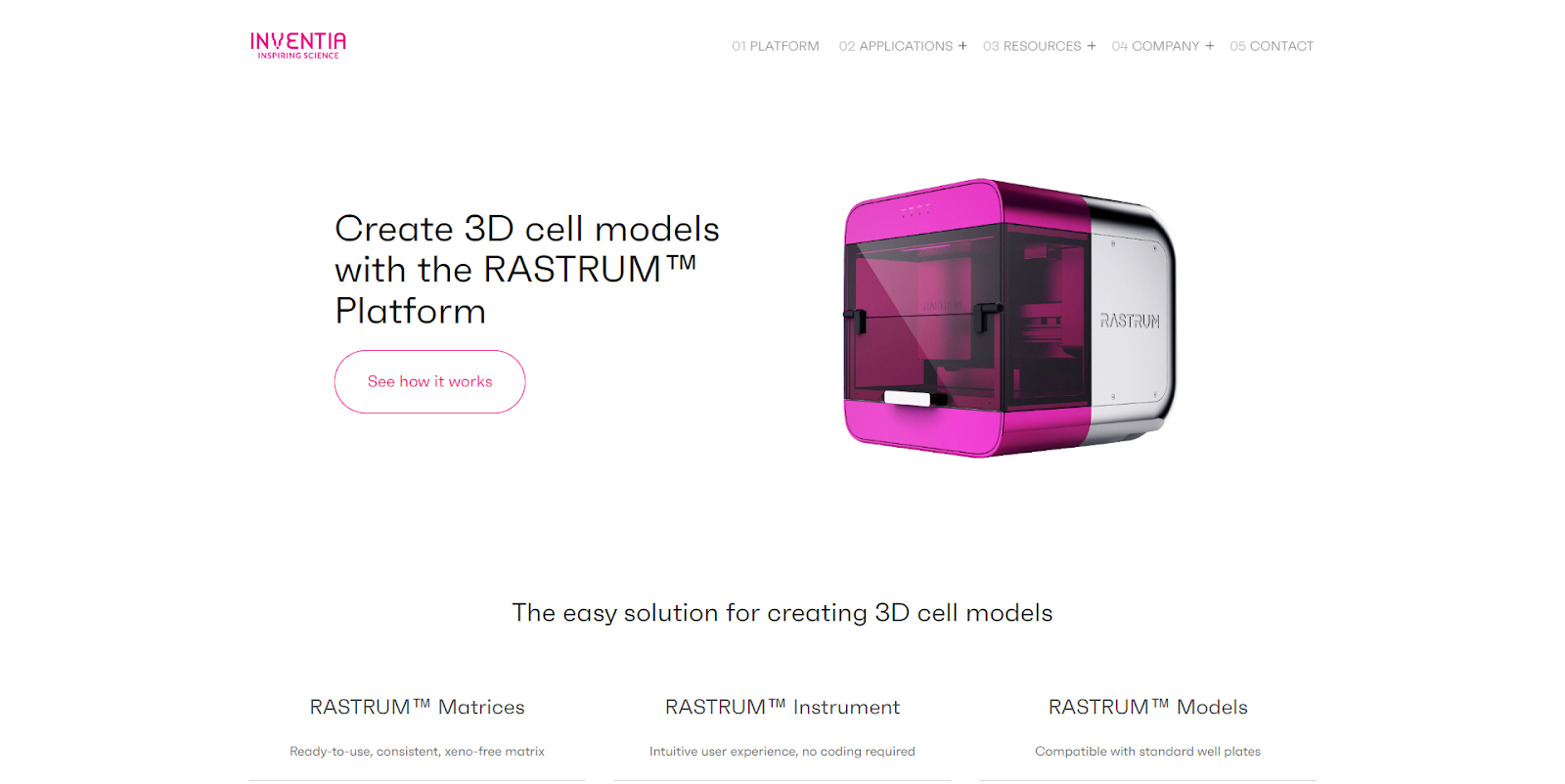
The Inventia website excels in maintaining a seamless connection between its color palette and product aesthetics. This cohesive approach enhances the overall visual experience, conveying a sense of unity and attention to detail.
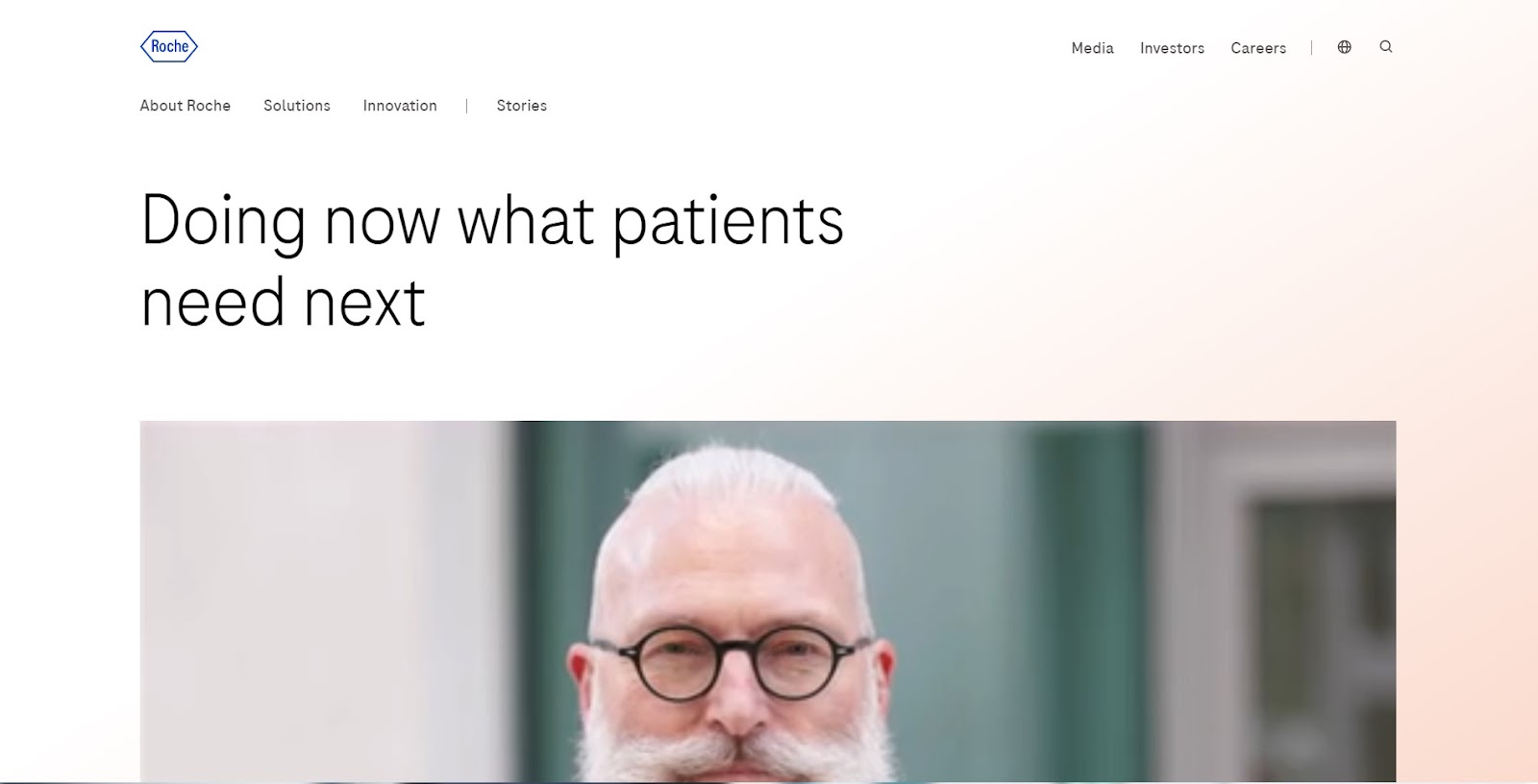
Roche’s website showcases a modern and informative platform, providing visitors with insights into the company’s diverse portfolio of diagnostic products and biopharmaceuticals, with a special focus on oncology. Their website is interactive and constantly changing as you scroll through it, providing a refreshing user experience throughout.
Atara Biotherapeutics’ website showcases its focus on T-cell immunotherapy for patients with cancer and autoimmune diseases. Their website’s color scheme is very unique and it also aligns with the custom graphics that they have on the sides. The website was clearly very well thought out.
Incyte’s website showcases its focus on oncology and its commitment to developing targeted therapies for a range of cancers. Their hero image is outstanding. It almost looks like a movie poster with how well it was put together.
Mattek’s website showcases a professional and informative design, emphasizing its expertise in providing cutting-edge in vitro tissue models for various research applications. With an easy-to-navigate layout, they also show lots of social proof as to why they can be trusted along with gorgeous graphics.
Vertex Pharmaceuticals’ website has a sleek design, emphasizing the company’s groundbreaking work in cystic fibrosis treatments and its dedication to improving patients’ lives. This website took their animation to the next level by having a video in the background of the words of their header. It is super sleek and aside from that, their entire website is easily traversable with engaging content throughout.
Moderna’s website features a clean and modern design, showcasing the company’s pioneering mRNA technology and its contributions to vaccine development, including its COVID-19 vaccine. Moderna does a great job of showing its presence by having a simple, yet extremely high-quality website with multiple infographics and dynamic pages.
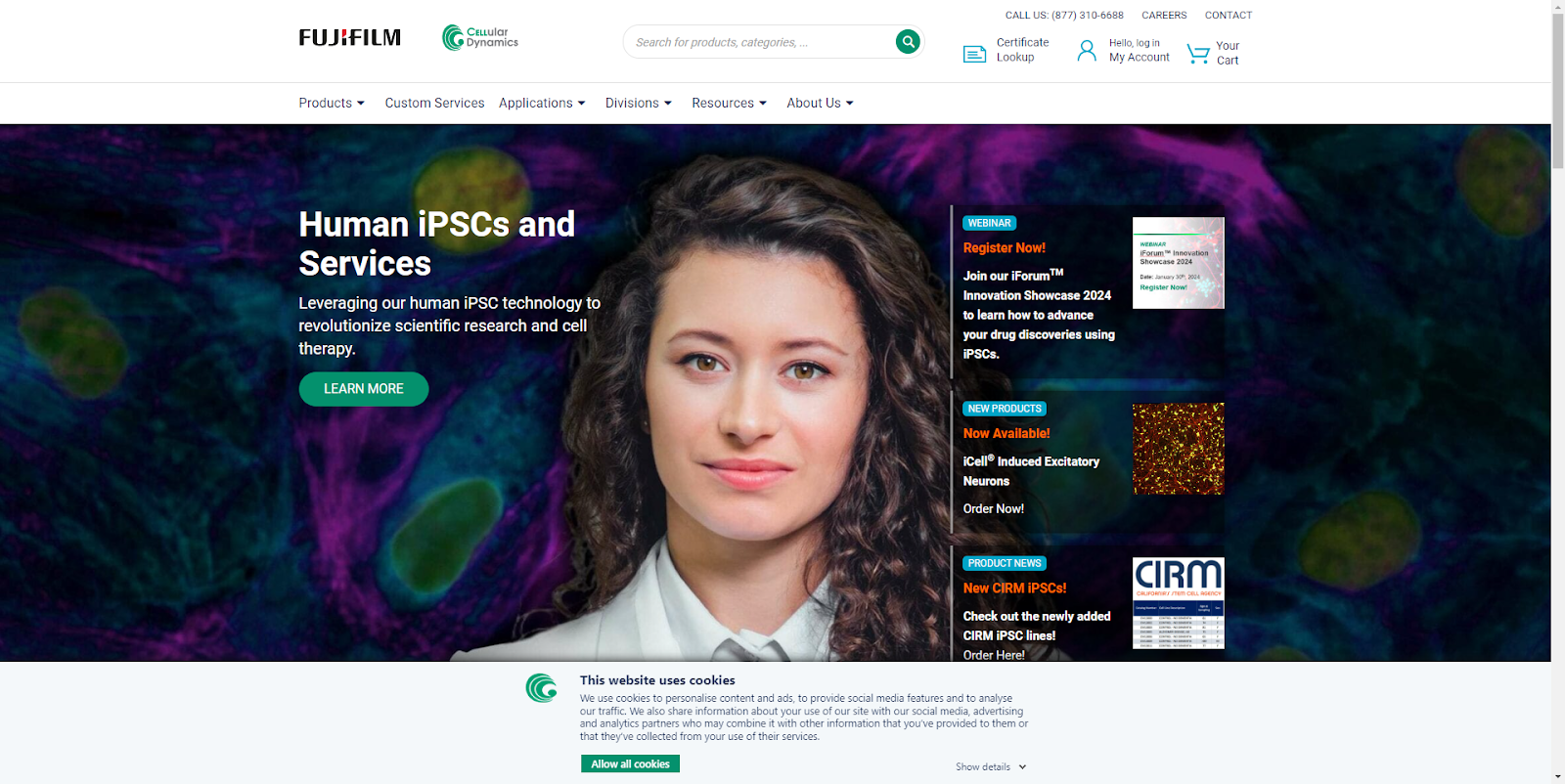
The Fujifilm Cellular Dynamics website exudes professionalism through the attire of their team, and the language that is used on the home screen. The site’s design features custom graphics that effectively categorize various applications, showcasing a commitment to clarity and precision in their work.
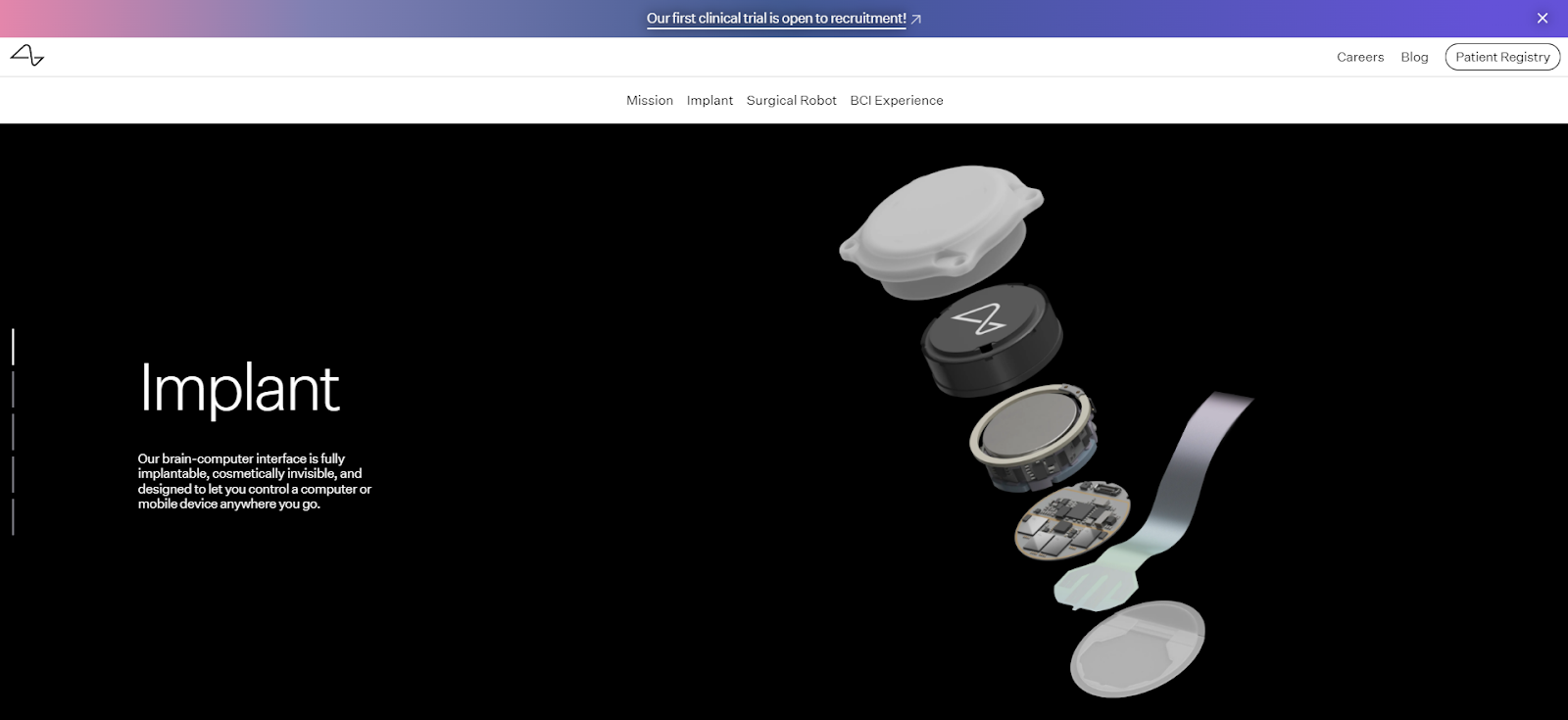
The Neuralink website delivers a cutting-edge experience, particularly in the implant and surgical robot section where scrolling down dynamically reveals different sections of the implant with brief descriptions of what that piece is there for. This innovative approach enhances user engagement, allowing visitors to explore and understand the intricacies of Neuralink’s technology seamlessly.
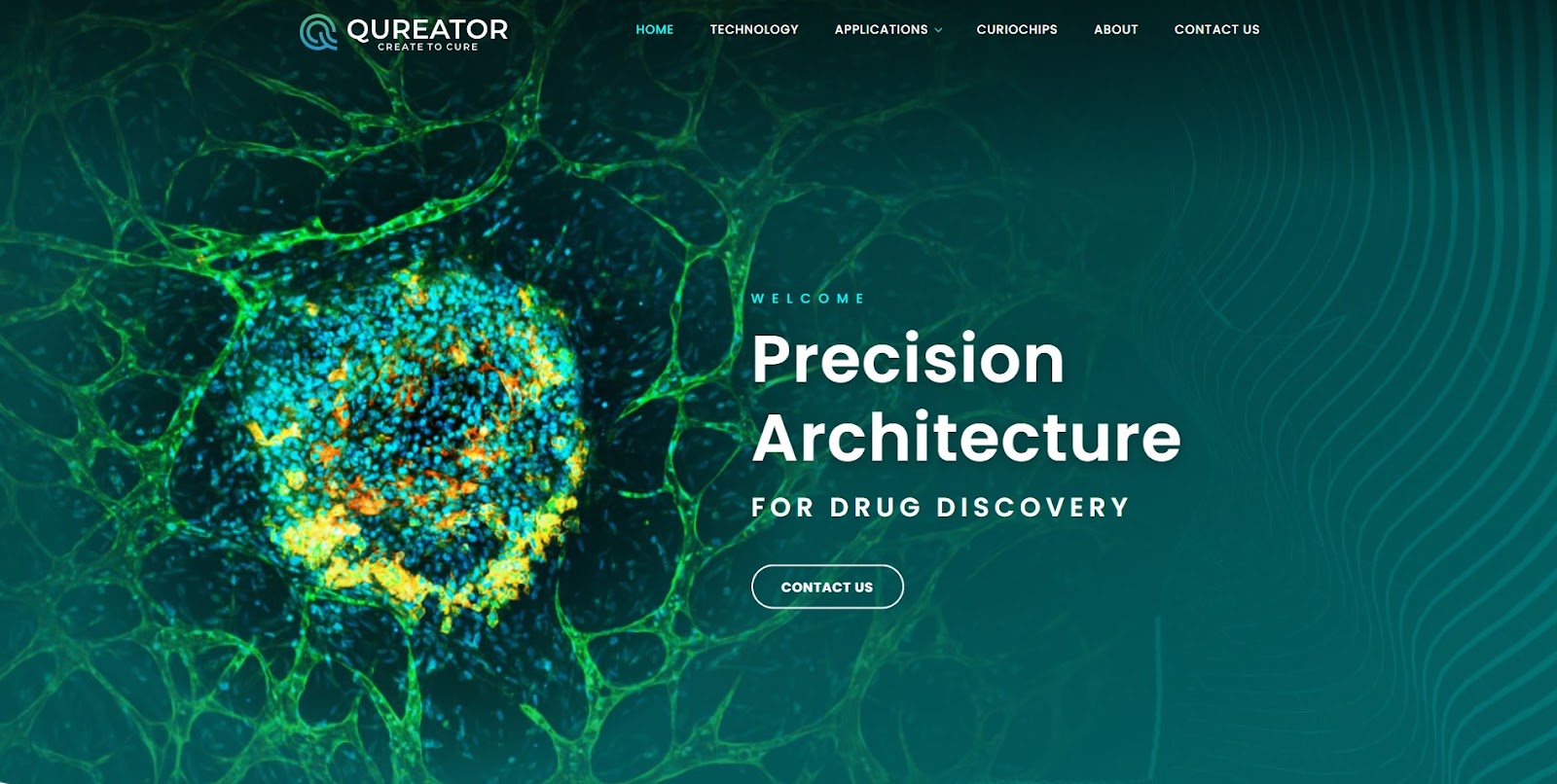
Qureators website has beautiful custom graphics and a central color scheme that is easy on the users’ eyes. They use their dynamic pop-ups to make information easily accessible and easy to understand. You can instantly tell what their company is about within a few seconds.
Bio-Techne’s website highlights its broad portfolio of life science research tools, including reagents, proteins, and diagnostics. Their custom images and easy-to-navigate pages make for a powerful site that can easily get you the information you are looking for.
AbbVie’s website provides visitors with insights into its diverse portfolio of pharmaceutical products, with a strong focus on research and development for various therapeutic areas. They have a beautiful video in the background of the site and dynamic pages that keep you engaged throughout.
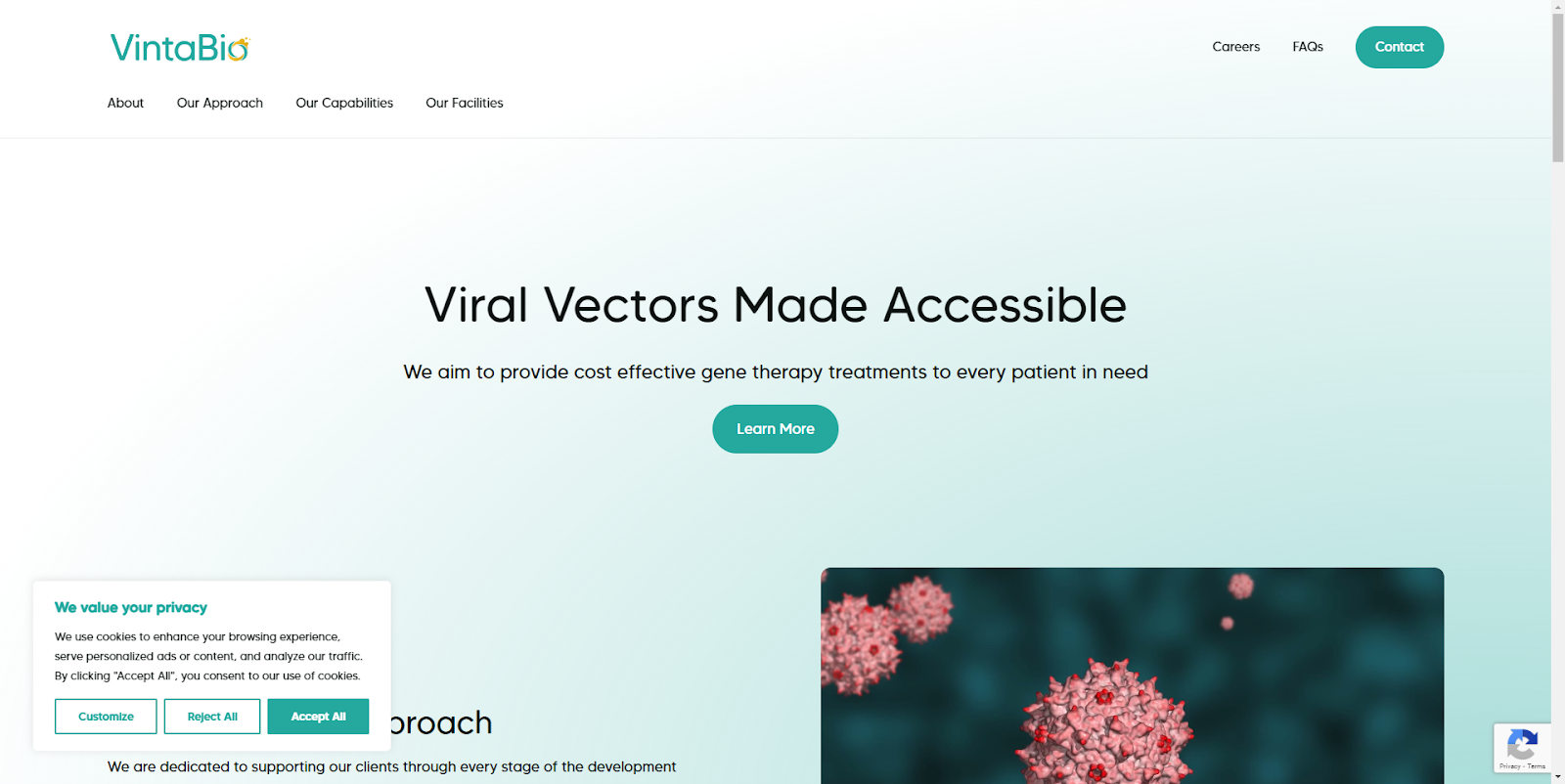
The VintaBio website impresses with a blend of custom graphics and dynamic images, creating an engaging visual experience. The site prominently features their team, adding a personal touch and highlighting the expertise behind their work. With a focus on custom graphics, dynamic visuals, and team presentation, VintaBio’s website not only communicates professionalism but also provides an insightful and visually appealing journey for visitors interested in their innovative bioinformatics solutions.
The Be Biopharma website stands out with its constantly changing images at the top, ensuring a dynamic and fresh experience for visitors. The consistency of their color palette is a notable feature, extending seamlessly from the website’s design to the graphics and hues.
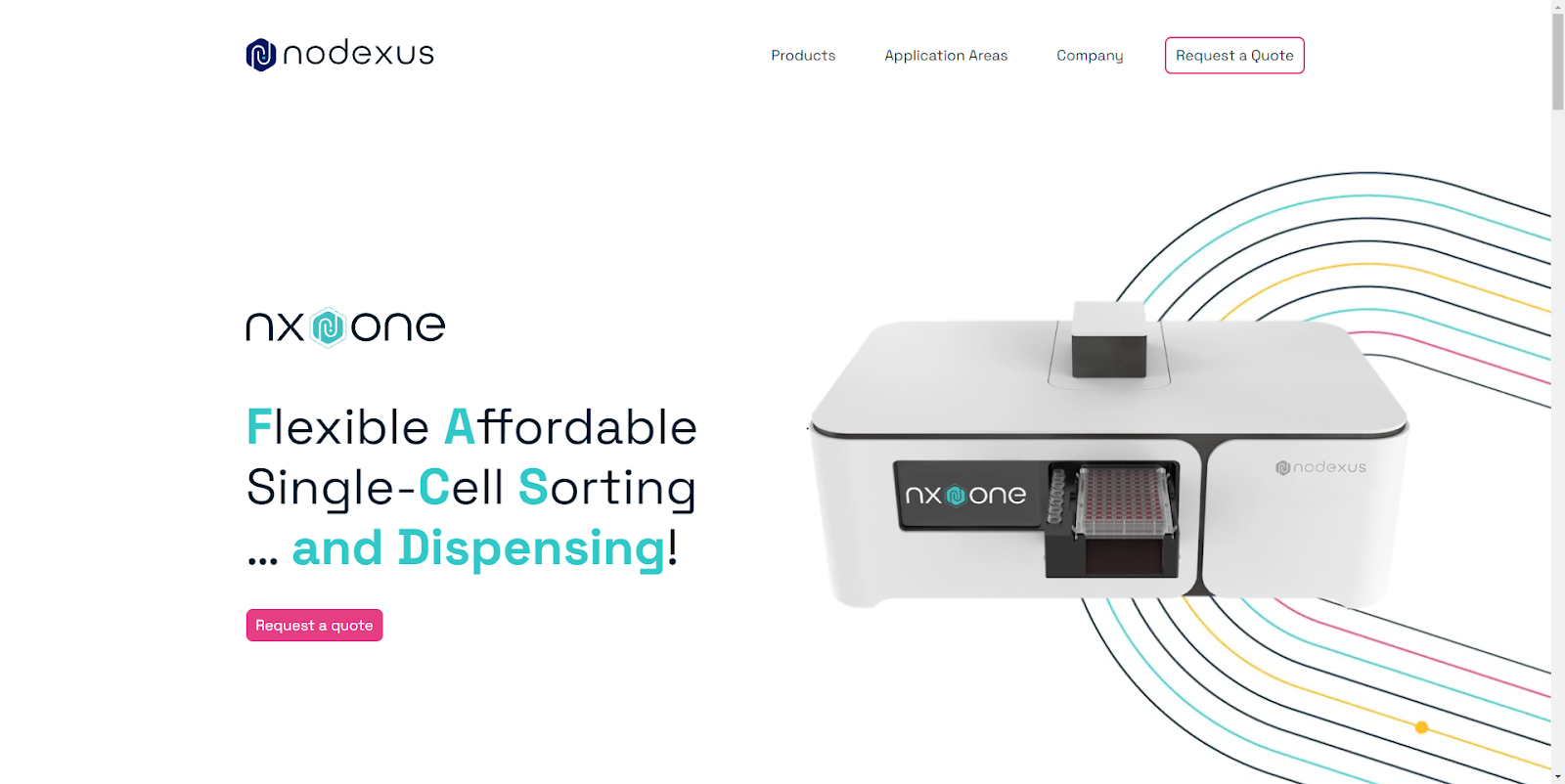
The Nodexus website catches attention with its moving background, creating a visually engaging and interactive experience. The site’s use of custom, color-coded graphics further enhances its appeal, providing a clear and organized presentation of information.
Akouos excels at providing a user-friendly website with clear and engaging content about gene therapies for hearing loss, updated with the latest research and clinical trial information. Their website is also very uniform, with the same few colors used throughout, making everything seem together as one which makes it easy for the eyes to navigate through.
The Totus Medicines website features constantly moving backgrounds across pages, adding a dynamic and visually captivating element to the user experience. Additionally, the site effortlessly incorporates social proof, seamlessly integrating testimonials and reviews, establishing trust and credibility.
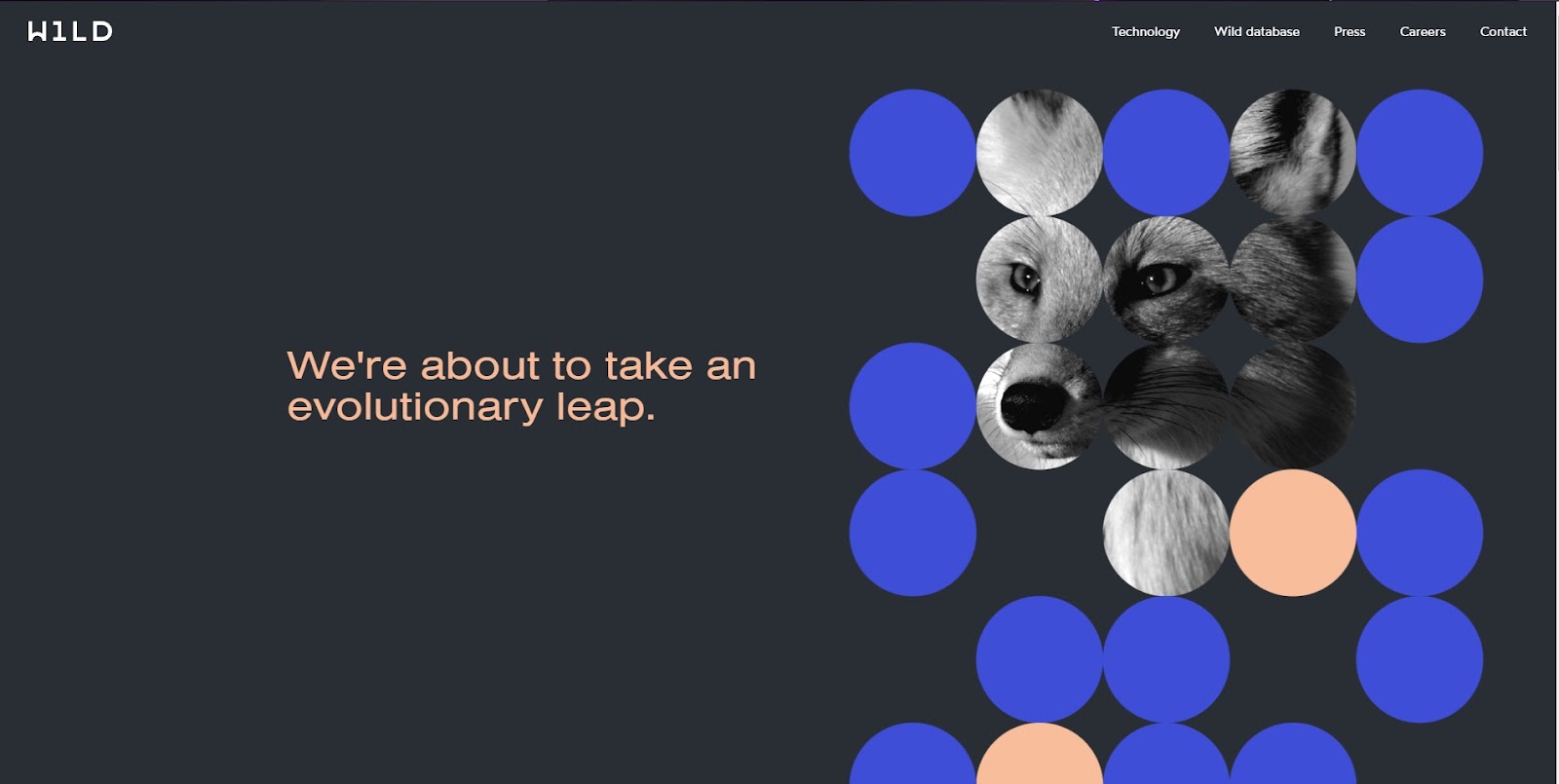
Wild’s dynamic website provides an effortless feel that carries the perfect balance between simple and cutting-edge. Although they have limited colors and elements, the elements that they have are very powerful and engaging, and the colors are very easy on the eyes. These two factors provide an extremely easy user experience which should be every website’s first goal.
Qiagen’s website features its expertise in molecular diagnostics and sample technologies, contributing to advancements in life science research and healthcare. Their website is easy to navigate and visually appealing. Simple and to the point, yet custom enough to stand out amongst others.
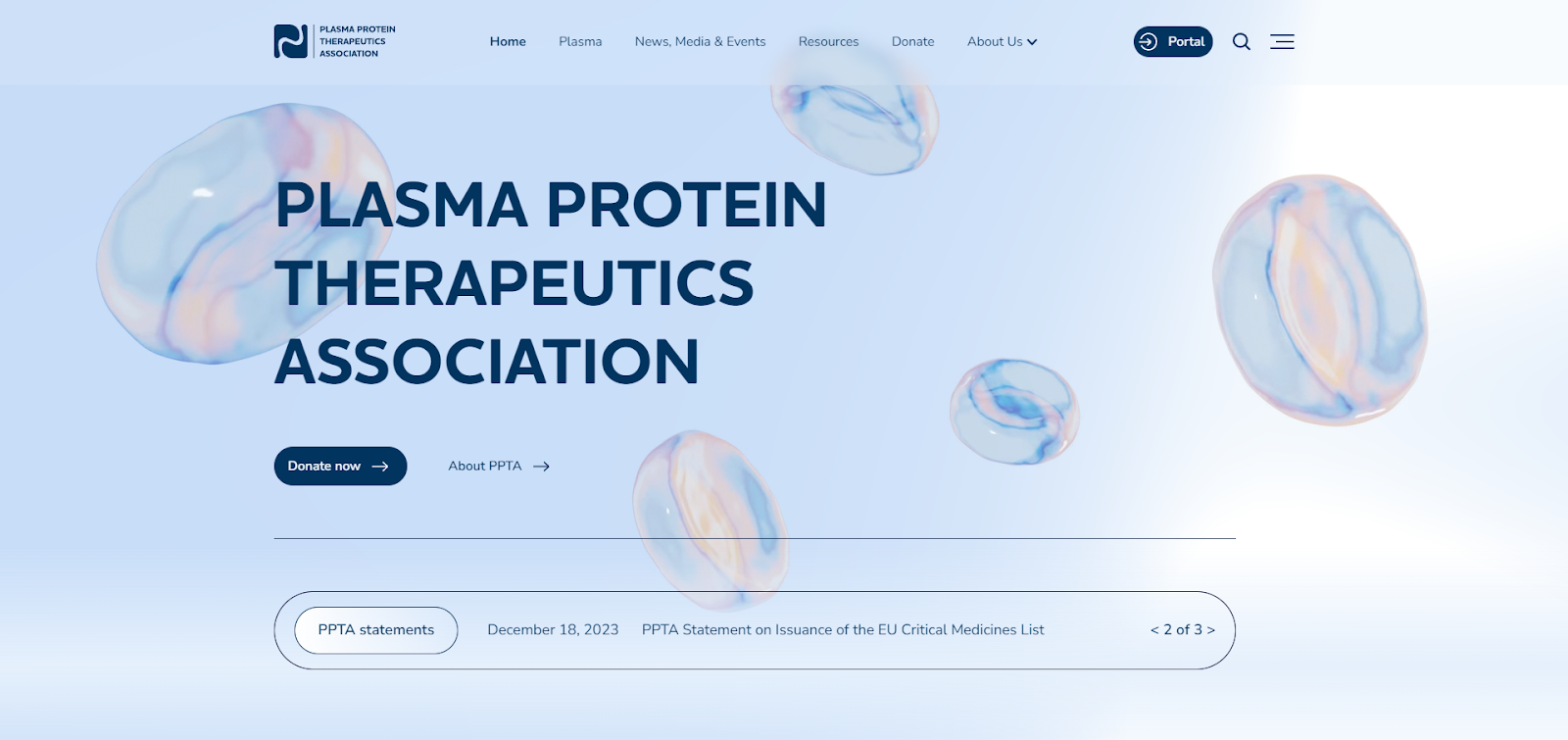
The PPTA Global website offers a unique experience, almost embodying the essence of plasma itself. The moving plasma animations and the loading screen resembling plasma contribute to a cohesive and uniform feel throughout the site. The clean navigation bar enhances the user experience, allowing seamless movement and easy access to information.
Ironshore Pharma’s website impresses with its stunning, custom graphic design and user-friendly layout, effectively conveying its mission to enhance patient lives through innovative, patient-focused treatment options. Visitors can easily navigate through their ideals, reflecting a commitment to improving healthcare outcomes for patients and caregivers alike. They do what all of the best websites on this list have done but in unison. They have animations, custom graphics, video backgrounds, dynamic elements, etc. They went all out and shows.
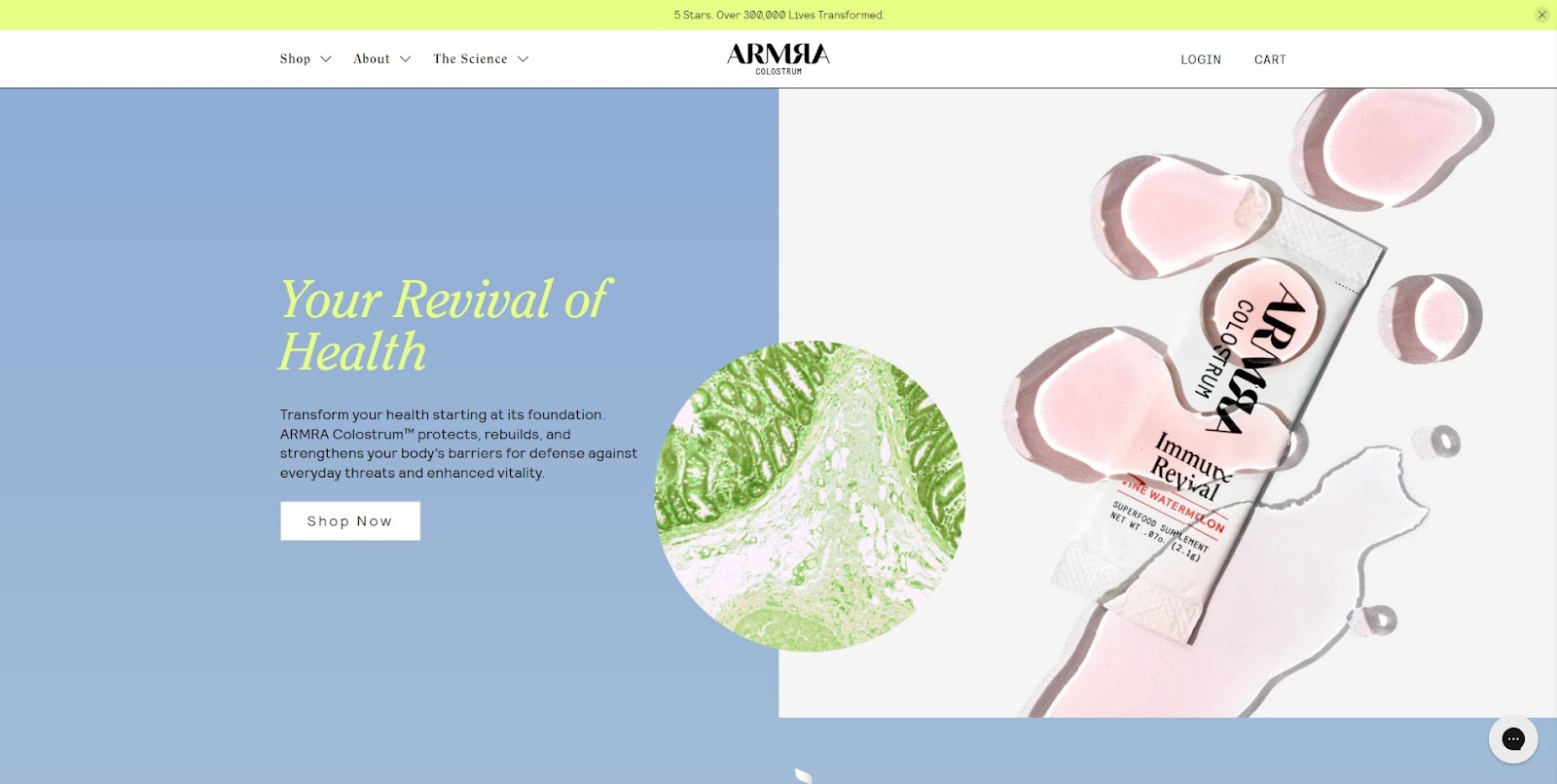
Armra is an exceptional website that offers a range of positive features for users. Firstly, its sleek and modern design creates an inviting and user-friendly interface. Visitors can easily navigate the site to explore the various services and products offered. With it having endless custom graphics and being the only e-com website on this list, they do a great job at standing out and making their science-based product, still accessible and understandable to the common person.
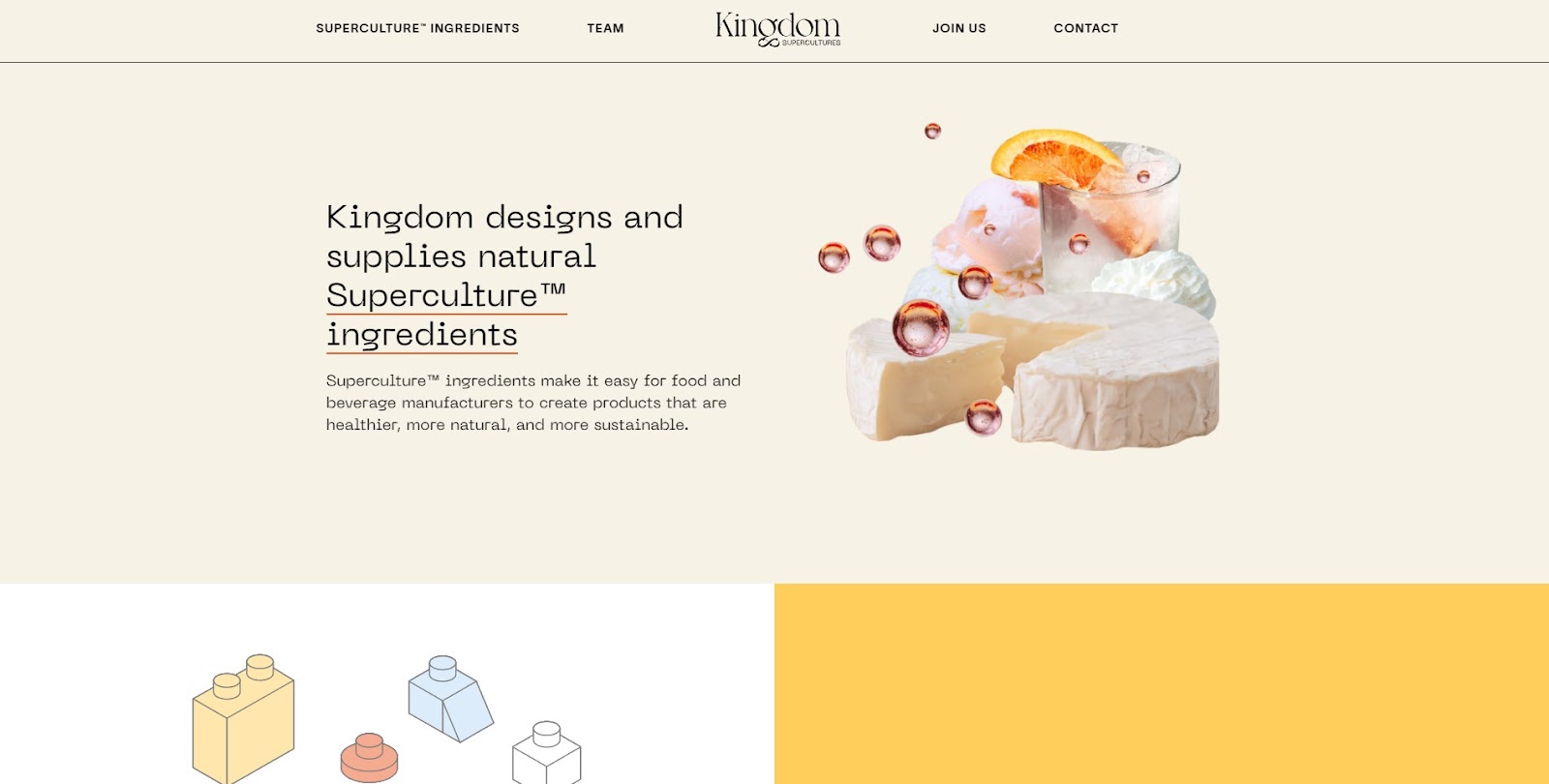
Kingdom Super Cultures’ website showcases a professional and informative design, reflecting their dedication to innovative microbiome solutions. With user-friendly navigation and gorgeous custom graphics, it is easy to get lost in just how beautiful their site looks.
With the Cambrian Bios website, navigating the website is effortless due to the well-organized menu and intuitive user interface. Their custom graphics go a long way to show the user that they care about quality and simplicity. Their color gradients are very appealing and it is what allows them to compete in the top 10, without necessarily having too many cutting-edge animations. They are unique and stand out based on their quality.
SenseiBio has an extremely sleek custom graphic design setup that allows for ease of access to the information they are trying to convey. Upon clicking their website, users instantly are intrigued by the images and can easily find out their mission since it is at the top of the page. They do a great job of balancing everything on the page.
BioAge Labs’ website boasts a sleek and modern design, reflecting their cutting-edge work in aging research and healthspan extension. With engaging content and user-friendly navigation, the site highlights its commitment to transforming the future of healthcare and improving the quality of life for individuals worldwide. The scrolling feels satisfying with their minimalistic yet futuristic design. They have minimum words to easily get across information, as well as gorgeous and dynamic 3D animations that move with you through the page. Every part of the website just feels clean.
How We Chose the Best Biotech Websites
If it isn’t obvious already, this list is highly subjective. That said, our team has about 15 years of web design experience and we understand the challenges of designing a website based on navigation, user experience, user interface design, graphic design, content management, and storytelling.
There was an intentional mix of corporate sites that are likely to be less design-heavy, and more cutting-edge sites (our favorite kinds!) that are able to take a bit more risk in their design. You’ll find the sites with the most attractive designs at the top spots, while the more conservative designs will be at the bottom of the list.
In case you’re wondering what goes into the web design process, check out our guide on the topic. If you are looking for a reputable biotech web design company, reach out to us today!
Get a free website proposal from our team today.
The discovery call is the first step in discussing your business, your goals, and the potential services you need for your marketing or web design campaign.
In the ever-changing and fiercely competitive pharmaceutical landscape of today, where revolutionary breakthroughs and transformative innovations drive progress, the impact of pharmaceutical marketing agencies cannot be overstated.
Whether you’re a CEO, marketing executive, or scientist-founder, successfully navigating the intricacies of pharma marketing demands strategic decision-making and a profound understanding of the value that the right marketing agency can offer.
Just as scientific research is characterized by specialization and diversification, so too are the marketing agencies catering to the pharma industry. By carefully selecting a partner that specializes in your specific area of focus, you gain access to a wealth of expertise, customized strategies, and industry insights that will propel your organization toward its ultimate goals.
Below are some of the best pharma marketing agencies, where specialization and excellence converge to accelerate your path to success.
What makes me qualified to cover this topic?
With almost 15 years of experience in healthcare marketing and holding the positions of CEO and founder of a pharma marketing agency, I possess comprehensive expertise in crafting successful marketing strategies for companies of all sizes. Over the years, I have witnessed both the triumphs and failures of companies based on their marketing partnerships, granting me an intimate understanding of the top-performing pharma marketing agencies and their diverse strengths.
For ease of reference, let me define the agency’s ideal clients based on typical client types. A “small business” is characterized by generating under $38.5 million in revenue annually and having less than 1,500 employees. A “mid-market enterprise” falls within the $38.5 million to $1 billion range in annual revenue and has a workforce of 1,500 to 2,000 employees. Finally, a “large enterprise” surpasses $1 billion in yearly revenue with over 2,000 employees.
Digital Elevator
Digital Elevator focuses on high-growth, small to mid-market pharma companies, providing content strategy, competitive intelligence, SEO and AI optimization, bottom-funnel content marketing, PR, and UX/UI design. Emerging pharma companies often leverage their PR services, while more established pharmas leverage their SEO and content marketing services.
Specialization:
Content strategy, content marketing, SEO & AI optimization, UX/UI for conversion rate optimization
Ideal client:
Their ideal clientele includes small businesses and those who serve B2B markets (growth marketing), or pharma companies in need of messaging and comprehensive user experience graphic design.
Client examples:
McKesson, Ironshore Pharma, Novita Phama
Archbow Consulting
Archbow Consulting helps pharmaceutical and biotech companies achieve their commercial goals through strategic and tactical approaches to Distribution, Pharmacy, Patient Access, and Payer support. They also offer a wide range of marketing services, including marketing and value proposition, content creation, market research, and branding support to Pharma and Service Vendors alike.
Specialization: Archbow focuses on end-to-end commercialization support across distribution, pharmacy, patient access, and commercial strategy.
Ideal Client: Their ideal clientele includes a range from small, emerging pharma manufacturers to large enterprise pharma manufacturers, as well as Specialty Pharmacies, Distributors, and Patient Support vendors.
Client examples:
Due to confidentially, Archbow does not their client list. They support approximately 125 clients at any given time.
BioStrata
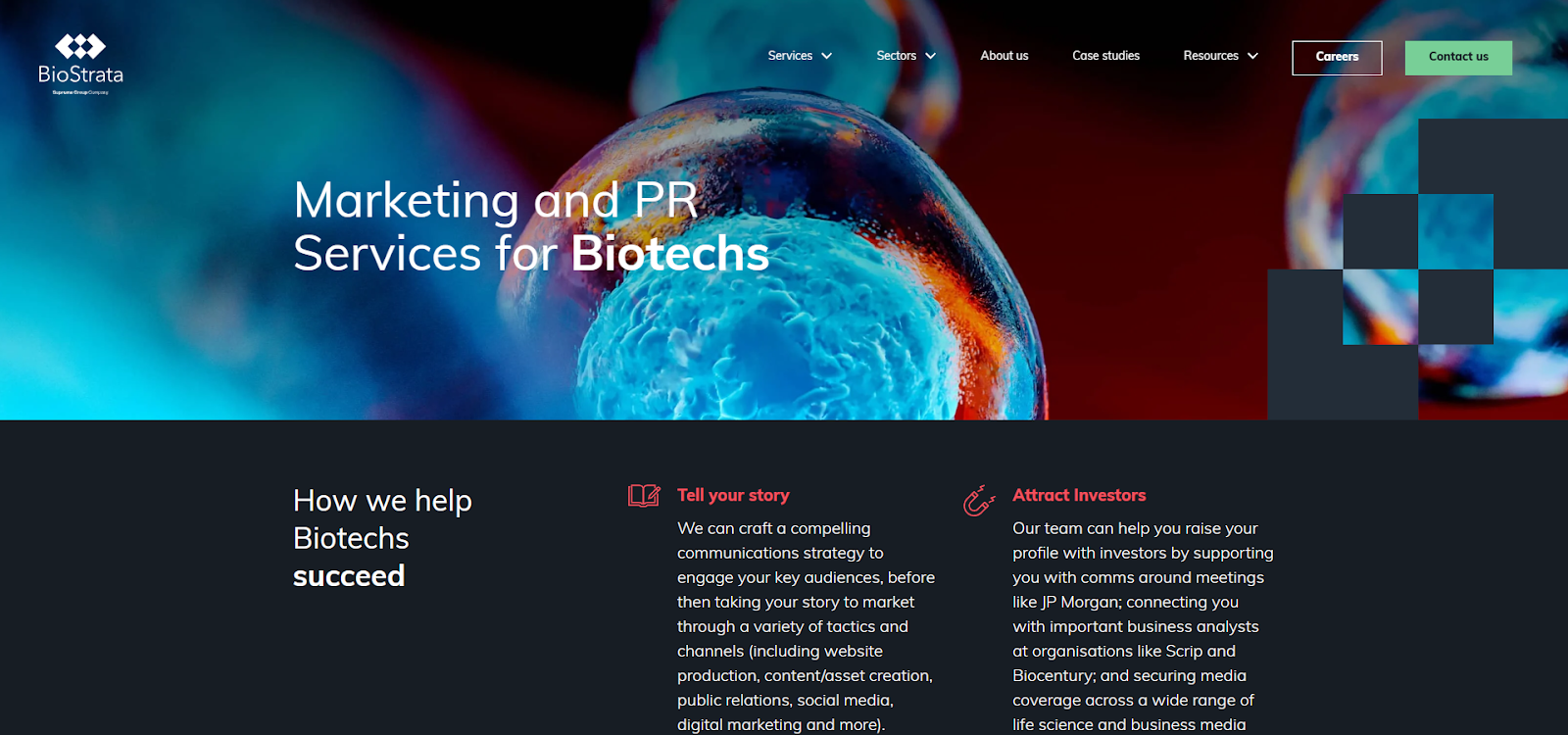
Based in Cambridge, England, BioStrata is a marketing agency specializing in offering a wide array of life sciences marketing services. Their expertise spans from digital marketing to lead generation and tradeshow support. While their primary focus lies on serving larger enterprise clients, they also extend some of their services to smaller brands.
Specialization:
Brand awareness, lead generation, and product launches,
Ideal client: Mid-market enterprise to large enterprise
Supreme is a pharmaceutical marketing agency boasting extensive expertise in the science industry. They offer a range of services, including digital marketing and website development, tailored to cater to the needs of pharmaceutical, medical device, diagnostic, and biotech brands.
Specialization
Digital marketing, lead generation, and ecommerce.
Ideal client:
Mid-market enterprise to large enterprise
Client examples:
FujiFilm, Covaris, 10x Genomics
Samba Scientific
Samba Scientific has built a reputation for its effective lead-generation campaigns, which leverage audience profiling, tactical planning, and comprehensive reporting. Their expertise extends to webinar management and promotion, as well as conference conceptualization, all contributing to successful lead-generation efforts.
Specialization:
Lead generation combined with event management.
Ideal client:
Small business
Client examples:
Fabric Genomics, HTG
Forma Life Science Marketing
Forma Life Science Marketing, headquartered in Raleigh, North Carolina, is a renowned marketing agency specializing in brand strategy and implementation. Their expertise extends to internal employee coaching and alignment, and they also offer comprehensive trade show and marketing support, helping their clients excel in event management.
Specialization:
Brand strategy, identity, and market positioning.
Ideal client:
Mid-market enterprise to large enterprise
Client examples:
Pfizer, Agilent, TearScience
Orientation Marketing
Orientation Marketing offers a wide range of marketing services, encompassing both traditional and digital approaches. Their expertise includes media planning and PR, media buying, creative design, and web services. Catering to diverse industries, they collaborate with clients in the pharma, biotech, analytical science, nutraceutical, food, and cosmetics sectors.
Specialization:
Brand awareness and lead generation
Ideal client:
Small business to mid-market enterprise
Client examples:
Catalent, SGD Pharma, Benecol
Patrick Wareing
Patrick Wareing is an accomplished digital marketing consultant with a unique blend of experience in scientific research and agency-side digital marketing. Leveraging this expertise, he offers content creation, SEO, and comprehensive digital marketing training services to his clients.
Specialization:
Pharma digital marketing consulting.
Ideal client:
Small business
Client examples:
Tip Biosystems, Fortis Life Sciences
Guide to Working with a Pharma Marketing Agency
When seeking a long-term partnership with a pharma marketing agency, it’s essential to consider key factors that guide your decision-making process:
Industry Expertise: Choose an agency with a deep understanding of the pharma industry, familiar with its challenges, regulations, and trends, enabling them to craft targeted strategies that resonate with your audience.
Specialization: Assess the agency’s focus within the pharma field, ensuring it aligns with your specific area of focus, granting access to relevant industry insights and connections.
Track Record: Examine the agency’s portfolio to gauge their ability to deliver results through successful campaigns that generated engagement, brand awareness, and business growth for clients.
Strategic Approach: Look for a reliable agency that emphasizes thorough research, data-driven decision-making, and adaptability to changing market dynamics in their marketing strategies.
Integrated Marketing Solutions: Opt for an agency offering a comprehensive suite of marketing services, facilitating a cohesive and integrated approach to your marketing efforts.
Collaboration and Communication: Ensure strong collaboration and communication with the agency, fostering a transparent and trustworthy relationship for shared objectives.
Scalability and Flexibility: Verify the agency’s ability to scale and adapt to your evolving marketing needs, providing ongoing support as your company grows or enters new markets.
Client References and Testimonials: Request client references or testimonials to gain insights into the agency’s working style, responsiveness, and overall client satisfaction.
By carefully considering these factors, you can make an informed decision when selecting a long-term partner for your life sciences marketing needs, positioning your company for sustained growth, industry leadership, and impactful brand recognition.
Pharma Marketing Agency FAQ
Pharma marketing agencies provide a diverse array of services that cater to the distinct requirements and challenges of the industry. These services encompass:
What services do pharma marketing agencies provide?
Pharma marketing agencies offer a variety of tailored services to meet the industry’s distinct needs and challenges. These services encompass:
Strategic Marketing Planning: Agencies collaborate with clients to create comprehensive marketing strategies that align with their business goals. This involves conducting market research, competitive analysis, and identifying target audiences, resulting in strategic plans that effectively position products or services.
Branding and Positioning: Agencies assist in developing and refining brand identities, messaging, and positioning strategies. They craft compelling brand stories, design impactful logos and visual assets, and ensure consistent brand representation across various marketing channels.
Digital Marketing: Agencies excel in digital marketing channels, including biotech website development, search engine optimization (SEO), pay-per-click (PPC) advertising, social media marketing, content creation, email marketing, and online lead generation. Utilizing data-driven approaches, they optimize digital campaigns to maximize reach, engagement, and conversion.
Content Marketing: Agencies devise content strategies and create high-quality content tailored to the life sciences industry. This content includes educational articles, blog posts, whitepapers, case studies, videos, infographics, and other formats aimed at engaging and educating target audiences. Content marketing establishes thought leadership, enhances brand credibility, and attracts and nurtures leads.
Thought Leadership and Public Relations: Agencies assist in establishing executives and key opinion leaders as thought leaders in the industry. PR strategy involves creating and promoting expert content, securing speaking engagements and media opportunities, managing press releases, and cultivating relationships with relevant media outlets and influencers.
Event Management: Agencies coordinate and execute events, such as conferences, trade shows, webinars, and product launches. They handle event planning, logistics, booth design, promotional materials, and audience engagement strategies to maximize brand exposure and generate leads.
Market Research and Competitive Analysis: Agencies conduct market research to provide insights into market trends, customer preferences, and competitive landscapes. Analyzing data helps identify opportunities, assess market potential, and refine marketing strategies accordingly.
Training and Education: Some agencies offer training and educational programs to empower life sciences professionals with marketing knowledge and skills. These may include workshops, seminars, or online courses tailored to marketing strategies specific to the industry.
Pharma agencies provide these diverse services to help organizations navigate the complexities of the industry, effectively reach their target audiences, build strong brands, and achieve their business objectives.
What does pharma marketing cost?
The expenses associated with pharma marketing can vary considerably, influenced by factors such as the scope of services needed, project complexity, organization size, target audience, and campaign objectives. It’s essential to consider that pricing structures and fee arrangements differ among marketing agencies, adding to the variability of costs.
What are some pharma marketing trends?
Pharma marketing is an ever-evolving field, influenced by emerging technologies, changing customer expectations, and industry advancements. Here are some key trends shaping the landscape of life sciences marketing:
Personalized and Targeted Messaging: Pharma marketers increasingly focus on personalized messaging and targeted communication to engage audiences. Leveraging data analytics, customer insights, and segmentation strategies allows for tailored messaging to specific customer personas, addressing their unique needs and preferences.
Digital Transformation: The pharma industry has undergone significant digital transformation, and marketing is no exception. Digital marketing channels like websites, social media platforms, email marketing, and SEO are critical tools for reaching and engaging target audiences. Marketers invest in digital strategies to enhance brand visibility, drive customer engagement, and generate leads.
Content Marketing and Thought Leadership: Content marketing remains a powerful trend in pharma marketing. Organizations develop high-quality content, including blog posts, articles, whitepapers, videos, and webinars, to educate, inform, and establish thought leadership. Valuable content builds trust, credibility, and loyalty among target audiences, positioning companies as industry leaders and go-to resources.
Influencer Marketing: Collaborating with influential figures in the pharma field, such as key opinion leaders, researchers, or renowned healthcare professionals, gains traction. Partnering with relevant influencers helps companies amplify their reach, increase brand awareness, and leverage the credibility and expertise of these influencers to promote products or services.
Patient-Centric Marketing: With a growing emphasis on patient-centric healthcare, pharma marketers shift their focus towards patient engagement and empowerment. Companies create educational materials, patient support programs, and online communities to provide valuable information, resources, and support to patients and caregivers, building strong relationships and loyalty.
Artificial Intelligence (AI) and Machine Learning: AI and machine learning technologies integrate into marketing strategies to enhance customer experiences, streamline processes, and drive insights. AI-powered chatbots, predictive analytics, and data-driven decision-making enable personalized recommendations, automate customer interactions, and optimize marketing campaigns for better results.
Virtual Events and Digital Experiences: The COVID-19 pandemic accelerated the adoption of virtual events and digital experiences in the pharma industry. Webinars, virtual conferences, and online product launches have become popular alternatives to in-person events, allowing for global reach, cost-effective networking, and seamless knowledge sharing.
Regulatory Compliance in Marketing: With strict regulations governing the pharma industry, marketers emphasize maintaining compliance in their efforts. Adhering to regulations set by authorities like the FDA ensures promotional materials and campaigns meet legal requirements, ensuring patient safety and trust.
Should I work with a life sciences marketing agency or consultant?
When considering whether to work with a pharma marketing agency or a consultant, several factors come into play, including the scope of services required, scalability, specialization, flexibility, cost considerations, and desired level of collaboration. Marketing agencies provide comprehensive expertise, scalability, and collaborative teamwork, making them well-suited for organizations needing a full range of services. On the other hand, consultants offer specialized knowledge, customization, and direct engagement, making them an ideal choice for specific projects or niche expertise. Evaluating your organization’s specific needs, resources, and the scale of your marketing initiatives will help determine the best fit for your requirements.
As a CEO, marketing exec, or scientist-founder, navigating the complex realm of life sciences marketing requires strategic decision-making and a keen understanding of the value that the right biotech marketing agency can bring.
Just as scientific research is specialized and diversified, so too are the marketing agencies that cater to the life sciences industry. By carefully selecting a partner that specializes in your specific area of focus, you can unlock a wealth of expertise, tailored strategies, and industry insights that propel your organization toward its ultimate goals.
It’s important to distinguish that while there are many companies that say they do life science marketing, the list below is reserved for those that exclusively focus in this vertical, or have distinct divisions that do. Personally, I think that differentiator is very important. While this is our list, we tried to be as objective as possible in the agencies selected based on what we know about the specific areas of expertise.
I have been a healthcare marketer for nearly 15 years and am also the CEO and founder of a life sciences marketing agency. I know how to craft marketing strategies for companies of all sizes, have seen companies succeed (and fail) as a result of their marketing partners, and have an intimate understanding of the best life sciences marketing agencies and their various strengths.
Note: I’ll define the ideal client by the typical client type the agency works with.
A “small business” is defined as a company that makes under $38.5 million, and has less than 1,500 employees.
“Mid-market enterprise” is $38.5 million to $1 billion in annual revenue, and has 1,500 to 2,000 employees.
“Large enterprise” is over $1 billion in revenue each year with over 2,000 employees.
Digital Elevator
Digital Elevator is a life science marketing agency that specializes in eCommerce and product manufacturer biotechs. With nearly 15 years of experience, including Fortune 500 work, the agency focuses on high-growth, small to mid-market companies, providing content strategy, competitive intelligence, SEO and AI optimization, bottom-funnel content marketing, PR, and UX/UI design. Digital Elevator offers strategic consulting for teams needing to scale content operations while creating high-converting content optimized for search engines and AI platforms that drives measurable ROI.
Specialization:
Content strategy, content marketing, SEO & AI optimization, UX/UI for conversion rate optimization
Ideal client:
Small businesses to mid-market enterprise
Client examples:
McKesson, iQ Biosciences, Solvias, BMG Labtech, Waters Corp
IPG Health
IPG Health comprises over 20 full-service agencies and 18+ specialized agencies with clients that include the top 20 global pharmaceutical companies. IPG’s team of over 6,500 provides services across digital marketing, communications, data and analytics, and creatives. For innovative and high-touchpoint marketing campaigns on a national or international scale, one of IPGs marketing or specialty companies can likely assist in creating something memorable.
Specialization:
Full-service agency of record (AOR), public relations, market research, healthcare policy
Ideal client:
Large enterprise
Client examples:
Cologuard, AstraZeneca, Lilly
Ogilvy Health
Ogilvy Health is a global network that operates in the healthcare marketing and business solutions sector. The organization works with various clients, including pharmaceutical and biotechnology companies, medical centers, insurance providers, government health policy makers, and consumer health and wellness brands.
Their approach combines local market knowledge with global capabilities, allowing them to address diverse healthcare communication needs. Ogilvy Health’s scope extends beyond traditional health and wellness brands, as they aim to assist various businesses in integrating health-conscious messaging into their branding. The company adapts to different market conditions and project timelines, drawing on their experience across the healthcare industry landscape to develop marketing strategies and business solutions.
Specialization:
Branding, data and analytics, public relations
Ideal client:
Large enterprise
Client examples:
Bristol Myers Squibb, abbvie, Johnson & Johnson
Supreme
Supreme is a life sciences marketing agency with deep science industry expertise, providing digital marketing and website development services to pharma, device, diagnostic, and biotech brands. Their recent acquisition of a PR company has also widened their breadth of earned media services.
Specialization:
Digital marketing, lead generation, and PR and events
Ideal client:
Mid-market enterprise to large enterprise
Client examples:
FujiFilm, Covaris, 10x Genomics
Samba Scientific
Samba Scientific is known for its lead generation campaigns that combine audience profiling, tactical planning, and reporting. These efforts are supported by their specialization in webinar management and promotion, as well as conference conceptualization and lead generation.
Specialization:
Lead generation combined with event management
Ideal client:
Small business
Client examples:
Fabric Genomics, HTG
BioStrata
BioStrata is a Cambridge, England-based marketing agency that provides life sciences marketing services ranging from digital marketing, to lead generation, to tradeshow support. Their focus is on larger, enterprise clients, although some of their service offerings are approachable to smaller brands.
Specialization:
Brand awareness, lead generation, and product launches
Forma Life Science Marketing is a Raleigh, North Carolina-based marketing agency known for its work in brand strategy, implementation, internal employee coaching, and alignment. They also provide tradeshow and marketing support to help their clients with event management.
Specialization:
Brand strategy, identity, and market positioning
Ideal client:
Mid-market enterprise to large enterprise
Client examples:
Pfizer, Agilent, TearScience
Orientation Marketing
Orientation Marketing provides traditional and digital marketing services including media planning and PR, media buying, creative and web services. They work with clients across the pharma, biotech, analytical science, nutraceutical, food, and cosmetics space.
Specialization:
Brand awareness and lead generation
Ideal client:
Small business to mid-market enterprise
Client examples:
Catalent, SGD Pharma, Benecol
Patrick Wareing
Patrick Wareing is a digital marketing consultant with a background in scientific R&D and agency-side digital marketing who provides clients with content creation, SEO, and digital marketing training services.
Specialization:
Content creation, marketing strategy, social media
Ideal client:
Small business
Client examples:
Tip Biosystems, Fortis Life Sciences
Get a free marketing plan from our team today.
The discovery call is the first step in discussing your business, your goals, and the potential services you need for your marketing or web design campaign.
Guide to Working with a Life Sciences Marketing Agency
When considering a long-term partnership with a life sciences marketing agency, several key considerations can help guide your decision-making process. These considerations include:
Industry Expertise: Look for agencies with a deep understanding of the life sciences industry. They should be familiar with the unique challenges, regulations, and trends that shape your sector. Their knowledge and experience will enable them to craft targeted strategies that resonate with your audience.
Specialization: Assess the agency’s specialization within the life sciences field. Some agencies may focus on pharmaceuticals, while others excel in biotechnology, medical devices, diagnostics, or healthcare services. Choosing an agency that aligns with your specific area of focus ensures they possess the relevant industry connections and insights needed for effective marketing.
Track Record: Examine the agency’s track record and portfolio. Evaluate their past campaigns and case studies to gauge their ability to deliver results. Look for evidence of successful campaigns that have generated meaningful engagement, brand awareness, and business growth for their clients.
Strategic Approach: A reliable agency should offer a strategic approach to marketing, emphasizing thorough research, target audience analysis, and data-driven decision-making. Inquire about their methodologies, including how they develop marketing strategies, measure performance, and adapt to changing market dynamics.
Integrated Marketing Solutions: Consider whether the agency offers a comprehensive suite of marketing services to meet your needs. From digital marketing and content creation to branding, public relations, and event management, a full-service agency can provide a cohesive and integrated approach to your marketing efforts.
Collaboration and Communication: Strong collaboration and communication between your organization and the agency are vital for a successful partnership. Assess their ability to listen, understand your goals and challenges, and provide clear and timely updates on campaign progress. A transparent and collaborative relationship fosters trust and ensures that both parties are working towards shared objectives.
Scalability and Flexibility: Consider the agency’s ability to scale and adapt to your evolving marketing needs. As your company grows or enters new markets, the agency should demonstrate the capacity to expand its services, cater to changing requirements, and provide ongoing support.
Client References and Testimonials: Request client references or testimonials from the agency to gain insights into their working style, responsiveness, and overall satisfaction. Speaking with current or previous clients can provide valuable perspectives and help you assess whether the agency is the right fit for your organization.
By carefully considering these factors, you can make an informed decision when selecting a long-term partner for your life sciences marketing needs, positioning your company for sustained growth, industry leadership, and impactful brand recognition.
Life Sciences Marketing Agency FAQ
What are the different services life sciences marketing agencies provide?
Life sciences marketing agencies offer a range of services tailored to the unique needs and challenges of the industry. These services include:
Strategic Marketing Planning: Agencies collaborate with clients to develop comprehensive marketing strategies aligned with their business goals. This includes market research, competitive analysis, target audience identification, and the development of strategic plans to effectively position products or services.
Branding and Positioning: Agencies assist in creating and refining brand identities, brand messaging, and brand positioning strategies. They develop compelling brand stories, design impactful logos and visual assets, and ensure consistent brand representation across various marketing channels.
Digital Marketing: Agencies provide expertise in digital marketing channels, such as biotech content marketing, search engine optimization (SEO), pay-per-click (PPC) advertising, social media marketing, content creation, email marketing, and online lead generation. They utilize data-driven approaches to optimize digital campaigns for maximum reach, engagement, and conversion.
Content Marketing: Agencies develop content strategies and produce high-quality content tailored to the life sciences industry. This includes educational articles, blog posts, whitepapers, case studies, videos, infographics, and other formats to engage and educate target audiences. Content marketing helps establish thought leadership, enhance brand credibility, and attract and nurture leads.
Thought Leadership and Public Relations: Agencies assist in establishing executives and key opinion leaders as thought leaders in the industry. This involves creating and promoting expert content, securing speaking engagements and media opportunities, managing press releases, and building relationships with relevant media outlets and influencers.
Event Management: Agencies coordinate and execute events such as conferences, trade shows, webinars, and product launches. They handle event planning, logistics, booth design, promotional materials, and audience engagement strategies to maximize brand exposure and generate leads.
Market Research and Competitive Analysis: Agencies conduct market research to provide insights into market trends, customer preferences, and competitive landscapes. They analyze data to identify opportunities, assess market potential, and refine marketing strategies accordingly.
Training and Education: Some agencies offer training and educational programs to empower life sciences professionals with marketing knowledge and skills. This can include workshops, seminars, or online courses focused on marketing strategies specific to the industry.
Life sciences marketing agencies provide these diverse services to help organizations navigate the complexities of the industry, effectively reach their target audiences, build strong brands, and achieve their business objectives.
What does life sciences marketing cost?
The cost of life sciences marketing can vary significantly depending on various factors such as the scope of services required, the complexity of the project, the size of the organization, the target audience, and the specific goals of the marketing campaign. It’s important to note that each marketing agency may have its own pricing structure and fee arrangements. Check out this guide on life science marketing for general pricing information.
What are some life sciences marketing trends?
Life sciences marketing is an ever-evolving field, influenced by emerging technologies, changing customer expectations, and industry advancements. Here are some key trends shaping the landscape of life sciences marketing:
Personalized and Targeted Messaging: Life sciences marketers are increasingly focusing on personalized messaging and targeted communication to engage their audiences. By leveraging data analytics, customer insights, and segmentation strategies, marketers can tailor their messaging to specific customer personas, addressing their unique needs and preferences.
Digital Transformation: The life sciences industry has witnessed a significant digital transformation, and marketing is no exception. Digital marketing channels such as websites, social media platforms, email marketing, and search engine optimization (SEO) have become critical tools for reaching and engaging target audiences. Marketers are investing in digital strategies to enhance brand visibility, drive customer engagement, and generate leads.
Content Marketing and Thought Leadership: Content marketing continues to be a powerful trend in life sciences marketing. Organizations are developing high-quality content, such as blog posts, articles, whitepapers, videos, and webinars, to educate, inform, and establish thought leadership. Valuable content helps build trust, credibility, and loyalty among target audiences, positioning companies as industry leaders and go-to resources.
Influencer Marketing: Collaborating with influential figures in the life sciences field, such as key opinion leaders, researchers, or renowned healthcare professionals, is gaining traction. Partnering with relevant influencers helps companies amplify their reach, increase brand awareness, and leverage the credibility and expertise of these influencers to promote their products or services.
Patient-Centric Marketing: With a growing emphasis on patient-centric healthcare, life sciences marketers are shifting their focus towards patient engagement and empowerment. Companies are creating educational materials, patient support programs, and online communities to provide valuable information, resources, and support to patients and caregivers, building strong relationships and loyalty.
Artificial Intelligence (AI) and Machine Learning: AI and machine learning technologies are being integrated into marketing strategies to enhance customer experiences, streamline processes, and drive insights. AI-powered chatbots, predictive analytics, and data-driven decision-making enable marketers to deliver personalized recommendations, automate customer interactions, and optimize marketing campaigns for better results.
Virtual Events and Digital Experiences: The COVID-19 pandemic accelerated the adoption of virtual events and digital experiences in the life sciences industry. Webinars, virtual conferences, and online product launches have become popular alternatives to in-person events. These digital platforms allow for global reach, cost-effective networking, and seamless knowledge sharing.
Regulatory Compliance in Marketing: With strict regulations governing the life sciences industry, marketers are placing increased emphasis on maintaining compliance in their marketing efforts. Adhering to regulations set by authorities like the FDA ensures that promotional materials and campaigns meet legal requirements, ensuring patient safety and trust.
Should I work with a life sciences marketing agency or consultant?
The decision to work with a life sciences marketing agency or a consultant depends on factors such as the breadth of services needed, scalability, specialization, flexibility, cost considerations, and the level of collaboration desired. Marketing agencies offer comprehensive expertise, scalability, and collaborative efforts with diverse teams, making them suitable for organizations requiring a full range of services. Consultants, on the other hand, bring specialized knowledge, customization, and direct engagement, making them a viable option for specific projects or niche expertise. Consider your organization’s specific needs, resources, and the scale of your marketing initiatives to determine the best fit for your requirements.
Choosing the best biotech PR agency is not just about name recognition. You want a team that speaks science fluently, can translate data for reporters and investors, and can show you where each placement is beneficial to your company’s goals.
The firms below all operate in life sciences and biotech. They differ in model, cost structure, and depth across media and marketing.
Health-tech and biotech PR with analyst and national media reach
Earned media, awards, analyst relations
2001; US offices incl. Seattle, Ann Arbor, Mystic
Fathom, NMDP
Digital Elevator – Best for: Budget-Friendly PR That Prioritizes Industry Trade Publications
Digital Elevator focuses on earned media for biotech and life-science brands, with a no-fluff approach to PR that strictly focuses on media placements. One of their PR case studies includes Vereseon, successfully transforming from an unknown biotech company into a recognized authority on AI-driven drug discovery. Founded in 2010, the company is based in West Palm Beach, Florida, and operates with a lean, outcomes-first model. If you want media placements without an expensive bundle of add-ons, this is the straightforward option.
Ideal Client:
Small to mid-market biotech and life science teams that don’t require the fluff and expense of full-service firms
LifeSci Communications runs corporate and scientific communications for biotech, medtech, and diagnostics companies. The agency launched in 2017 and is headquartered in New York, with additional presence in Boston. Its program mix spans media strategy, investor and corporate messaging, and digital channels to support clinical and financing milestones.
Ideal client:
Clinical-stage biotechs and platform companies planning steady news flow across data, financing, and partnerships
BioScribe is a boutique life-science communications consultancy founded in 1997 in the San Francisco Bay Area. The firm staffs accounts with senior practitioners and focuses on media strategy, editorial development, and communications planning for tools, diagnostics, and early-stage biotechs. Its client roster features many well-known innovators across life-science technologies, with an average of 20 years of experience per staff member.
Ideal client:
Life-science tools and diagnostics companies that need experienced PR counsel tied to product and data milestones
Little Dog Communications was founded by a scientist and concentrates on credible biotech storytelling for scientific, trade, and financial media. The firm’s identity is boutique and senior-heavy, which helps when shaping data narratives and investor updates. The founder, Yingling, launched the company in 2011, drawing on years in biomedical research and biotech communications. The result is pragmatic counsel for small teams that need signal over noise.
Ideal Client:
Preclinical to clinical biotechs that want senior attention on financing rounds, data readouts, and partnership news
Specialization:
Press releases
Message development
Trade and financial media
Investor materials
Client Examples:
No specific case studies are available on the website
PAN Communications is an independent agency founded in 1995 with deep healthcare and life sciences experience. PAN pairs corporate storytelling with modern demand tactics and maintains offices across the US and the UK. For scale-ups and public companies, the integrated model connects executive visibility to pipeline health. Boston serves as a long-standing base, with teams in San Francisco, New York, Chicago, Austin, Indianapolis, and London.
Ideal Client:
Growth-stage to public biotech and health-tech firms that need PR stitched to content and demand creation
Specialization:
Media relations
Content programs
Executive platforms
Integrated brand-to-demand execution for life sciences.
Client Examples:
Unlearn
Clarify Health
Founded/HQ:
1995; Boston, MA
SCIENT PR – Best for: Senior Counsel and High-stakes Biotech Communications
SCIENT is a senior-run communications firm for consequential biotech moments. The team handles data readouts, financings, leadership changes, and other sensitive announcements with clear planning and measured outreach. Founder Michael Lampe brings long experience in healthcare communications, which shows in the firm’s disciplined messaging and careful media targeting. If you need steady judgment and clean execution for impactful media relations, this is a reliable choice.
Ideal Client:
Clinical-stage and platform biotechs heading into consequential readouts, financings, or strategic deals
Specialization:
C-suite advisory
Narrative and message architecture
Media strategy for complex topics
Client Examples:
No specific case studies are available on the website
Founded/HQ:
2011; Philadelphia, PA
BioStrata – Best for: Integrated PR with Content Writing
BioStrata offers strategy, science writing, digital, and PR, and serves clients across research tools, diagnostics, and biopharma. The agency cites experience with more than 100 life-science organizations and a Cambridge base with international delivery, although much of their client base is focused in the UK and Europe.
Ideal Client:
Multimarket life-science companies that want PR coordinated with content, digital, paid, and events.
Specialization:
Integrated campaigns that build awareness and generate leads across the full mix.
Client Examples:
Aptuit
Thermo Fisher
Founded/HQ:
2014; Cambridge, UK
Clarity Quest – Best for: Analyst Relations and National Media
Clarity Quest runs earned media, awards, speaker and analyst relations for healthcare and life-science brands. The agency shows placements in national outlets alongside trade media, and backs PR with content and demand support. Founded in 2001, Clarity Quest maintains US offices in Seattle, Ann Arbor, and Mystic. It is a practical choice when analyst engagement matters.
Ideal client:
Health-tech, biotech, and medtech teams that value analyst inclusion and tier-one coverage.
Specialization:
Media relations
Speaker and award programs
Analyst engagement
Client examples:
Fathom
NMDP
Founded/HQ:
2001; US multi-office
FAQ
What should a life science PR agency scope include to be effective? The scope of work from a life science PR agency varies depending on goals. Some offer fully-integrated content, social, and media planning with integrated dashboards for a premium price – full-service PR, whereas others strictly stick to industry media placements. For publicly traded companies or larger organizations, the fully integrated approach is often an ideal campaign for meeting company goals, whereas most smaller life science companies are more focused on industry publications mentions and pickups.
How fast can a biotech PR campaign produce results? Trade coverage can arrive within weeks if the story and assets are ready. Top-tier placements usually follow measurable momentum such as clinical data, partnerships, hires, or financing. The pace at which media pickups occur greatly depends on the type of mention, the editorial process, and the newsworthiness of the story.
When is an integrated agency preferable to a PR-only model? If you expect rebranding, a website rebuild, or sustained demand generation alongside PR, an integrated shop can manage the full mix and show where activities support each other. Integrated PR campaigns can compound brand messaging but can get expensive quickly, so choose this option when budgets allow.
In today’s highly competitive healthcare industry, reaching healthcare professionals (HCPs) with effective marketing strategies is crucial for pharmaceutical companies, medical device manufacturers, and healthcare service providers. HCP marketing, short for healthcare professional marketing, involves targeting and engaging HCPs to promote products, services, and educational resources.
This comprehensive guide will delve into the world of HCP marketing, exploring proven strategies and best practices to help businesses stand out and achieve success. Let’s dive in and unlock the secrets to effective HCP marketing.
Challenges marketing to HCPs
Healthcare professionals (HCPs) face a constant influx of information. When they are not engaged in patient consultations or treatments, they dedicate their time to researching disease states, recent advancements in healthcare, and emerging drugs or therapies.
As pharmaceutical companies undertake market research, patient recruitment, therapeutic category promotion, and drug launches, they accumulate vast amounts of data. This includes clinical trial results, drug efficacy data, prescribing guidelines, and insights into target audiences.
However, communicating the sheer volume of information to HCPs poses a challenge.
Physicians require concise, valuable, engaging, and easily accessible content. It is crucial to present information to HCPs through appropriate platforms, at optimal times, and in suitable formats.
The responsibility of HCP marketers is to provide value quickly
Pharmaceutical marketers are responsible for sifting through extensive statistics and research to extract the most valuable information for HCPs. As HCPs can only spare time for information that provides genuine value, effectively marketing to them requires a targeted marketing strategy with succinct and valuable messaging.
As the competition in new drug launches intensifies and pharmaceutical companies strive to outperform each other, HCPs are now faced with an unprecedented amount of information. They must consider factors such as drug side effects, safety, patient access, drug efficacy in meeting patients’ needs, payor requirements, and evolving treatment protocols for every new prescription.
While the information HCPs require to assist their patients in making informed decisions remains unchanged—updates on disease states, available drugs and treatments, prescribing protocols, drug efficiency, and side effects—the medium through which HCPs receive information is evolving.
Introducing digital marketing to traditional methods
Traditional methods of information dissemination and receipt still persist, but digital information channels are thriving. A successful pharmaceutical marketing strategy targeting HCPs necessitates a well-balanced approach encompassing both traditional and digital marketing methods.
HCP marketing poses challenges for pharmaceutical companies unless they are supported by an expert pharmaceutical marketing agency. Marketing to HCPs involves navigating the demands of HCPs themselves, patients indirectly, payors, and the FDA.
Both HCPs and pharmaceutical companies must adhere to payor requirements and FDA regulations. Stricter guidelines and limitations associated with chronic and rare disease therapies can present additional obstacles.
Pharmaceutical companies are experiencing reduced access to physicians as time constraints prevent meetings with sales representatives. Consequently, pharma companies must elevate their marketing strategies to engage with receptive HCPs, and this primarily entails leveraging digital marketing. Pharma marketers require the necessary resources and tools to target their audience through paid advertising, social media, and to craft messaging that resonates with and provides value for HCPs.
Below are the latest HCP marketing strategies that accomplish the goals of messaging, targeting, and an omni-channel approach.
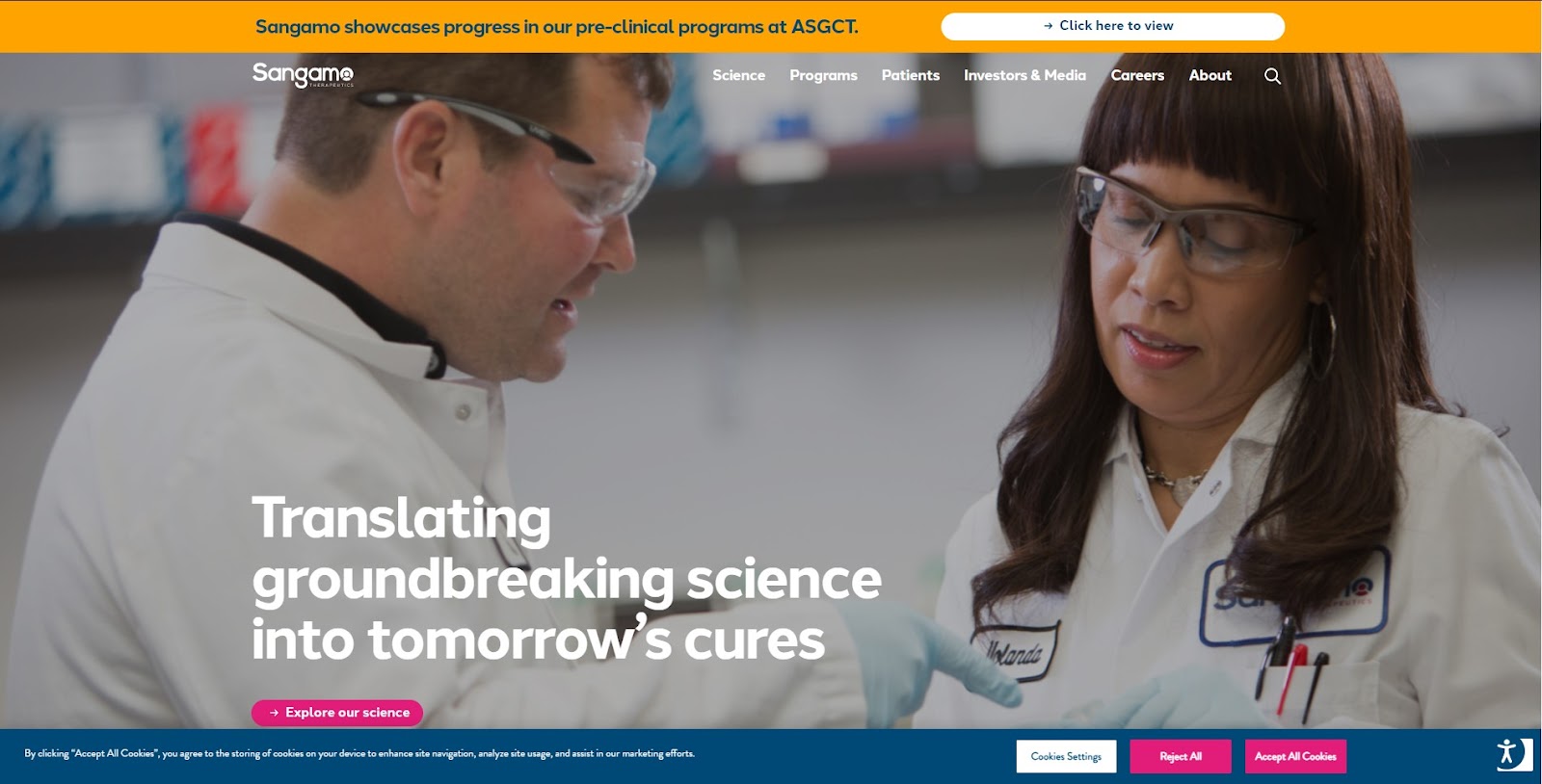
HCP Marketing Tactics
Programmatic Advertising
Programmatic advertising is the automated process of buying and selling digital ads. When it comes to marketing to busy HCPs, it is, by far, our most recommended marketing strategy for pharma and biotech companies. The caveat here is that programmatic ads require larger budgets than the other recommendations on this page.
Programmatic platforms offer direct access to third-party data that includes websites and apps that are manually vetted to ensure a quality ad experience for the audience. This data allows us to market directly to:
HIPAA-certified healthcare professionals
B2B pharma audiences based on conditions
Specialty-based physicians
Millions of physicians, HCPs, nurse practitioners, physicians assistants, and hospital professionals
Not only are these ads HIPAA compliant, but they are also ideal for the following:
Geotargeting: setting physical perimeters around a physical location where ads can be delivered (ex. Pharma conference)
Native ads: ads that integrate seamlessly with editorial content.
Display ads: banner ads or interactive ads with clear calls to action
Reporting on campaign performance
Native ad example
Display ad example
Social Media Ads
65% of physicians use social media for professional reasons
Social media platforms offer healthcare professionals a range of tools to share information, engage in debates on healthcare policy and practice issues, promote health behaviors, interact with the public, and educate patients, caregivers, students, and colleagues.
By leveraging social media, HCPs have the potential to enhance health outcomes, build professional networks, stay updated on news and discoveries, motivate patients, and provide health information to the community.
When it comes to online communities, physicians frequently join platforms where they can access news articles, listen to expert opinions, stay informed about medical advancements, consult with colleagues on patient-related matters, and establish professional connections.
These communities serve as spaces for sharing cases and ideas, discussing practice management challenges, making referrals, disseminating research, promoting their practices, and participating in health advocacy efforts. Additionally, a growing number of physicians are utilizing social media to communicate directly with patients as a complement to their clinical care.
A survey conducted by QuantiaMD encompassing more than 4,000 physicians revealed that over 90% of physicians use some form of social media for personal purposes, while approximately 65% utilize these platforms for professional reasons.
Around one-third of physicians reported active engagement in social networks. Notably, the adoption of social media for both personal and professional use among physicians is steadily increasing.
In contrast to physicians, pharmacists have exhibited a comparatively slower adoption of social media in their professional practices. The utilization of social media platforms within the pharmacist community primarily revolves around pharmacist-specific social networks, driving the growth in their professional use.
While the engagement of pharmacists on broader social media platforms may be limited, the emergence of specialized networks tailored to their needs has provided a space for pharmacists to connect, collaborate, and share information within their professional domain.
HCP targeting via social media is popular on these platforms
Meta (Facebook and Instagram)
Twitter
LinkedIn
TikTok
Public relations
Public relations (PR) plays a vital role in HCP marketing strategies by helping to increase brand awareness and providing opportunities for pharmaceutical brands to be featured in publications that HCPs commonly peruse. The strategic implementation of PR tactics can effectively elevate a pharma brand’s visibility and credibility within the healthcare industry, thus influencing HCPs’ perceptions and decisions.
One of the key advantages of incorporating PR into HCP marketing is the ability to enhance brand awareness. By leveraging various PR techniques such as media outreach, press releases, and thought leadership initiatives, pharmaceutical companies can generate positive media coverage and exposure for their brands. This exposure increases brand recognition among HCPs and fosters trust and credibility, positioning the brand as a reliable source of information and expertise in the field.
Furthermore, PR presents valuable opportunities to secure placements and features in publications that are widely read by HCPs. Medical journals, industry magazines, and online platforms dedicated to healthcare professionals are essential sources of information for HCPs seeking the latest advancements, research findings, and industry trends.
By strategically partnering with PR professionals and leveraging their media relationships, pharmaceutical brands can secure editorial coverage, interviews, and expert commentary in these publications, effectively reaching and influencing their target audience of HCPs.
When a pharma brand is featured in reputable publications, it not only gains exposure but also enhances its reputation and credibility. HCPs often trust information published in respected industry publications, considering it reliable and valuable in their decision-making process.
Being featured in such publications can position the brand as a thought leader, with HCPs perceiving it as an authority in the field, thereby increasing the likelihood of brand adoption and preference.
Effective PR strategies also involve building relationships with key opinion leaders (KOLs) and influencers within the healthcare industry. KOLs have significant influence over HCPs’ opinions and decisions, and their endorsement or support of a pharmaceutical brand can be highly impactful. Engaging with KOLs through PR initiatives, such as organizing expert panels, facilitating speaking opportunities at industry events, and collaborating on research studies, can amplify the brand’s reach and influence among HCPs.
Website Considerations
When marketing to HCPs, it’s important to note that a multichannel strategy allows you to be in all the places HCPs may utilize for research. At the foundation of your information sharing is your website, where most of your marketing efforts will point.
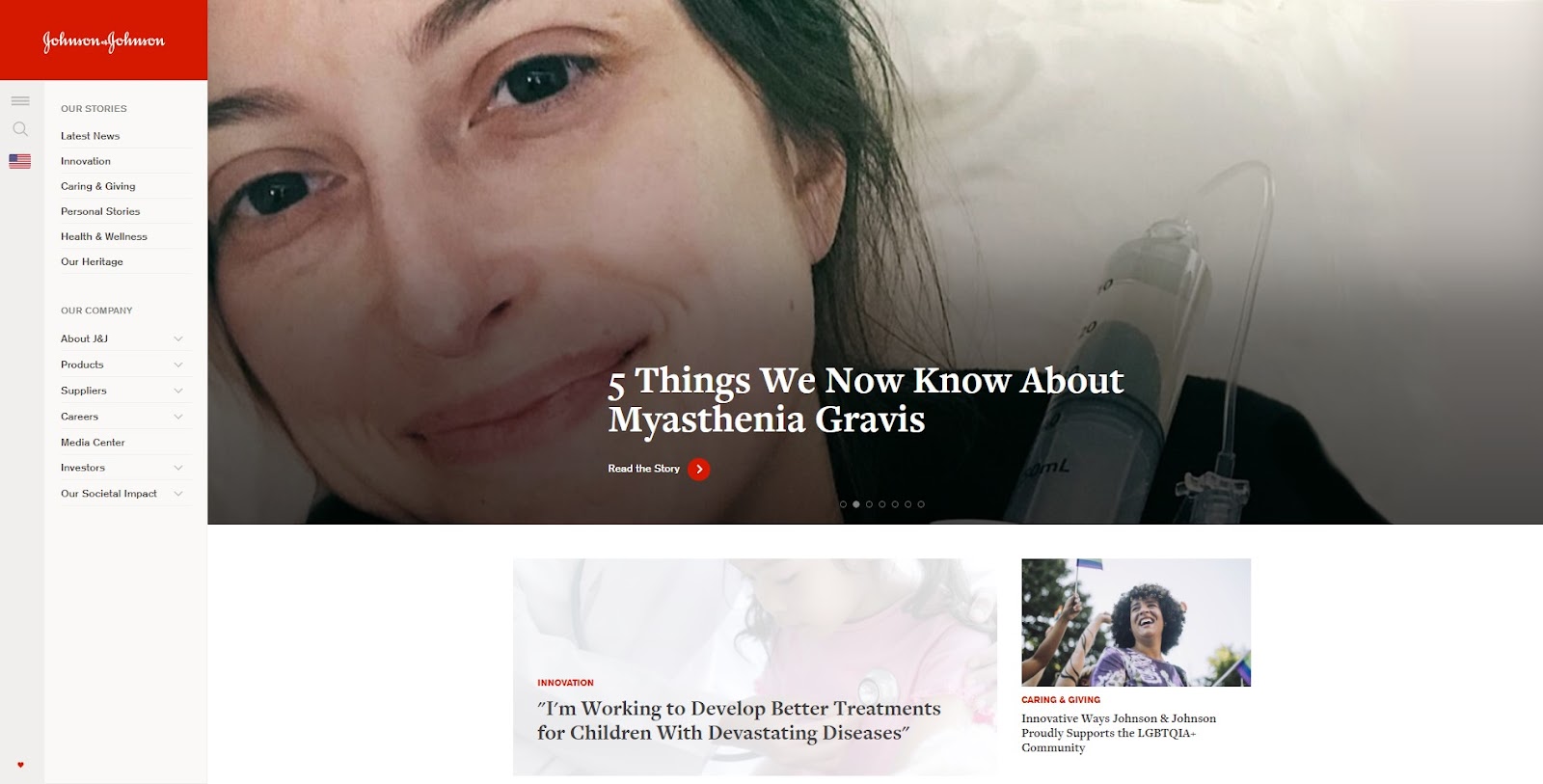
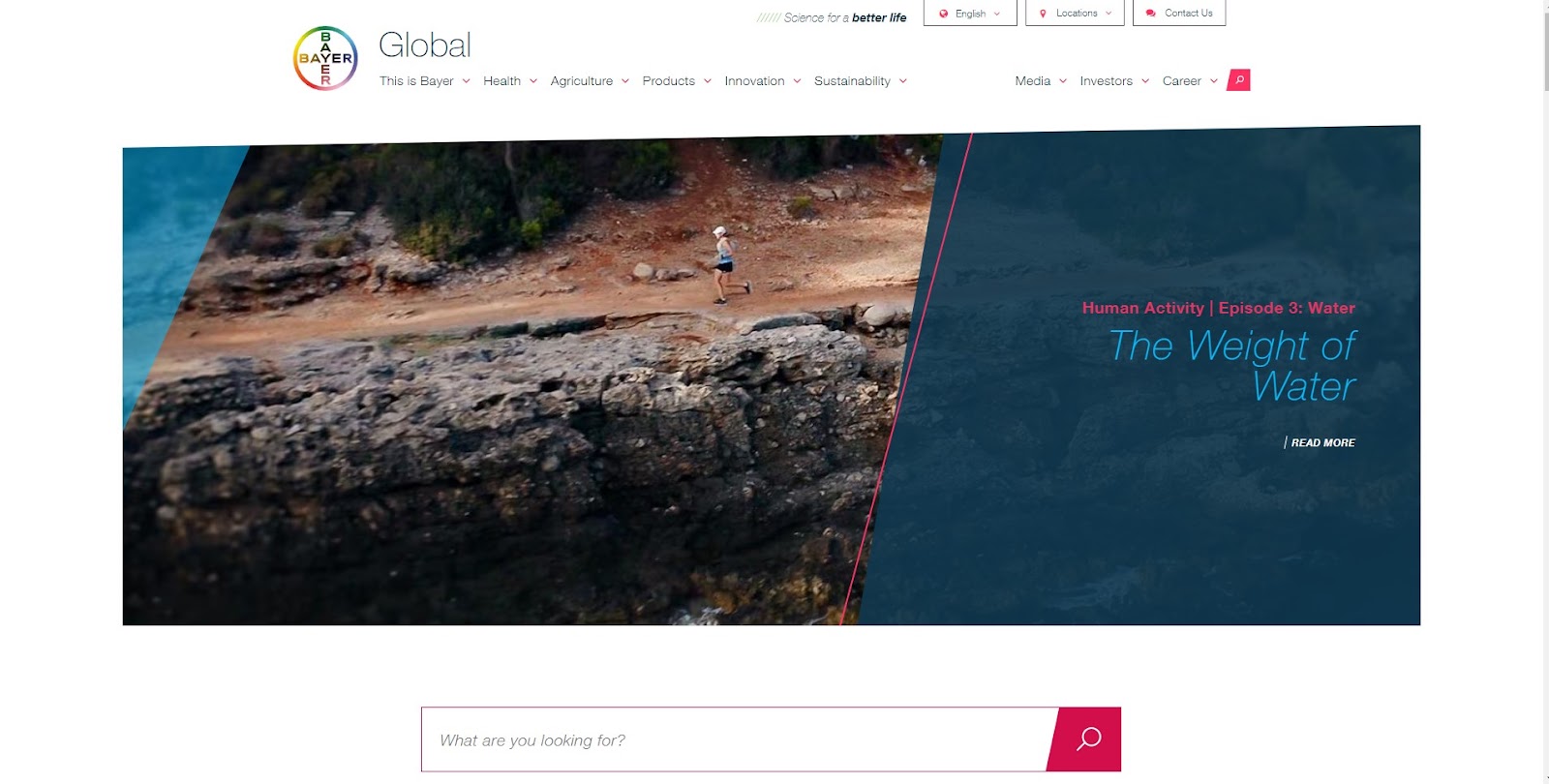
This stresses the importance of effective biotech web design and making sure your visuals and sales copy help guide HCPs down the appropriate sales funnels.
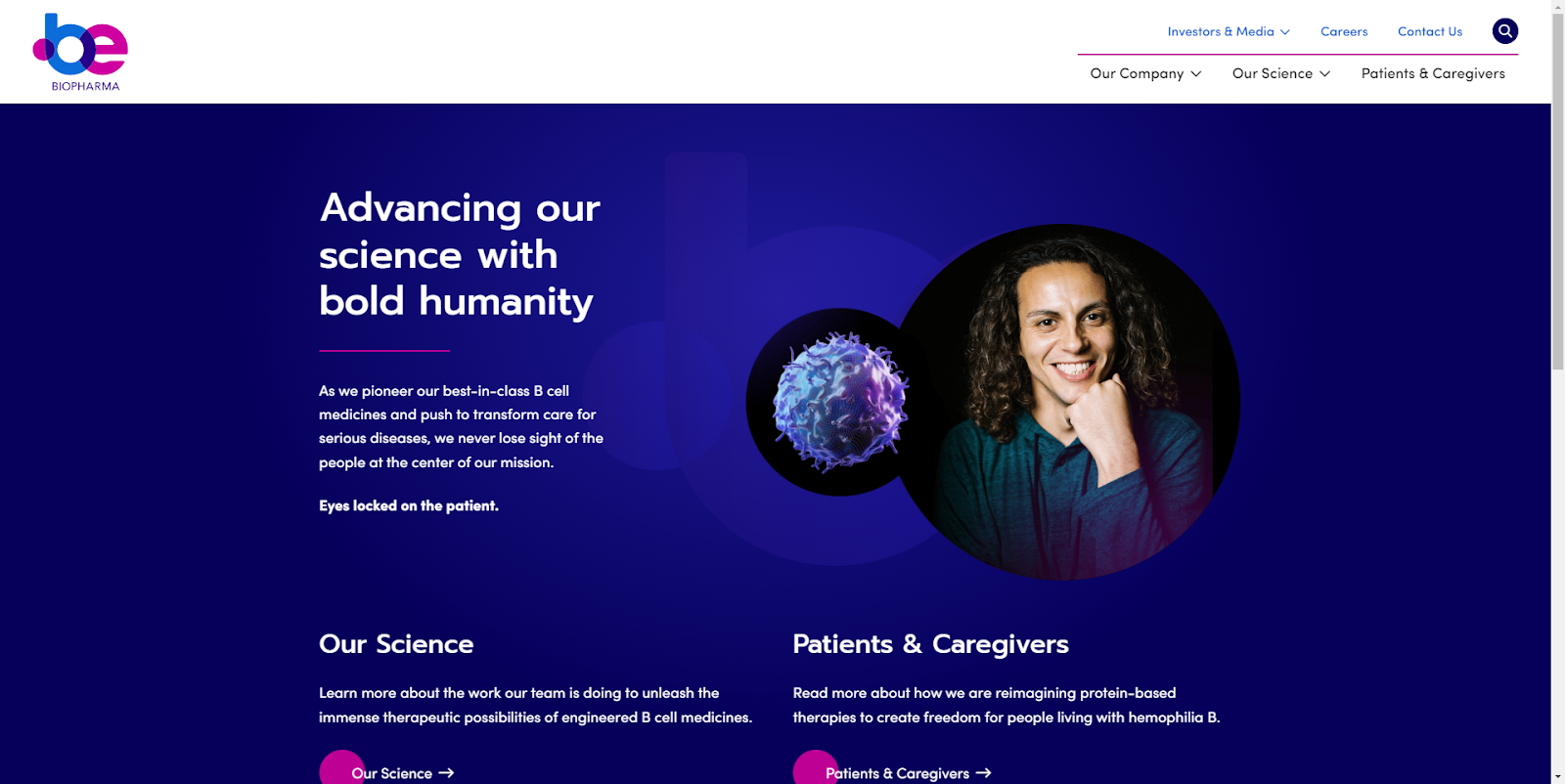
For example, the website Marley Drug has a wealth of content on their site related to specific drugs as well as drug comparisons. In a sense, this content caters to HCPs as well as consumers. See the below example of one such topic.
When it Makes Sense to Partner with an Agency
In the fast-paced and information-rich healthcare landscape, effective marketing strategies tailored to healthcare professionals are crucial for pharmaceutical companies to stand out from the competition.
Many of the top HCP marketing strategies we’ve listed require specialized help and are not often the expertise of in-house marketing team. When this is the case, it makes sense to discuss your goals with a HCP marketing agency who can research, plan, and execute on your marketing alongside your team.
The discovery call is the first step in discussing your business, your goals, and the potential services you need for your marketing or web design campaign.